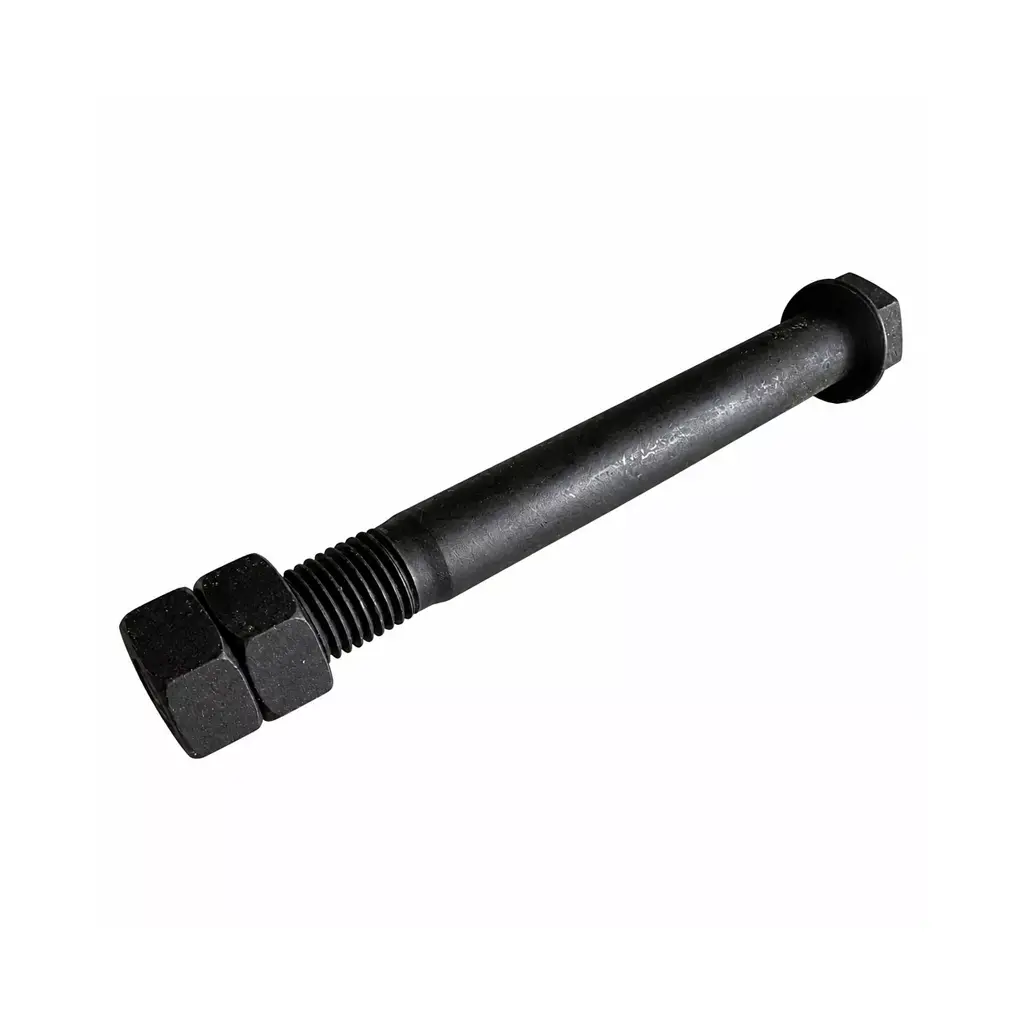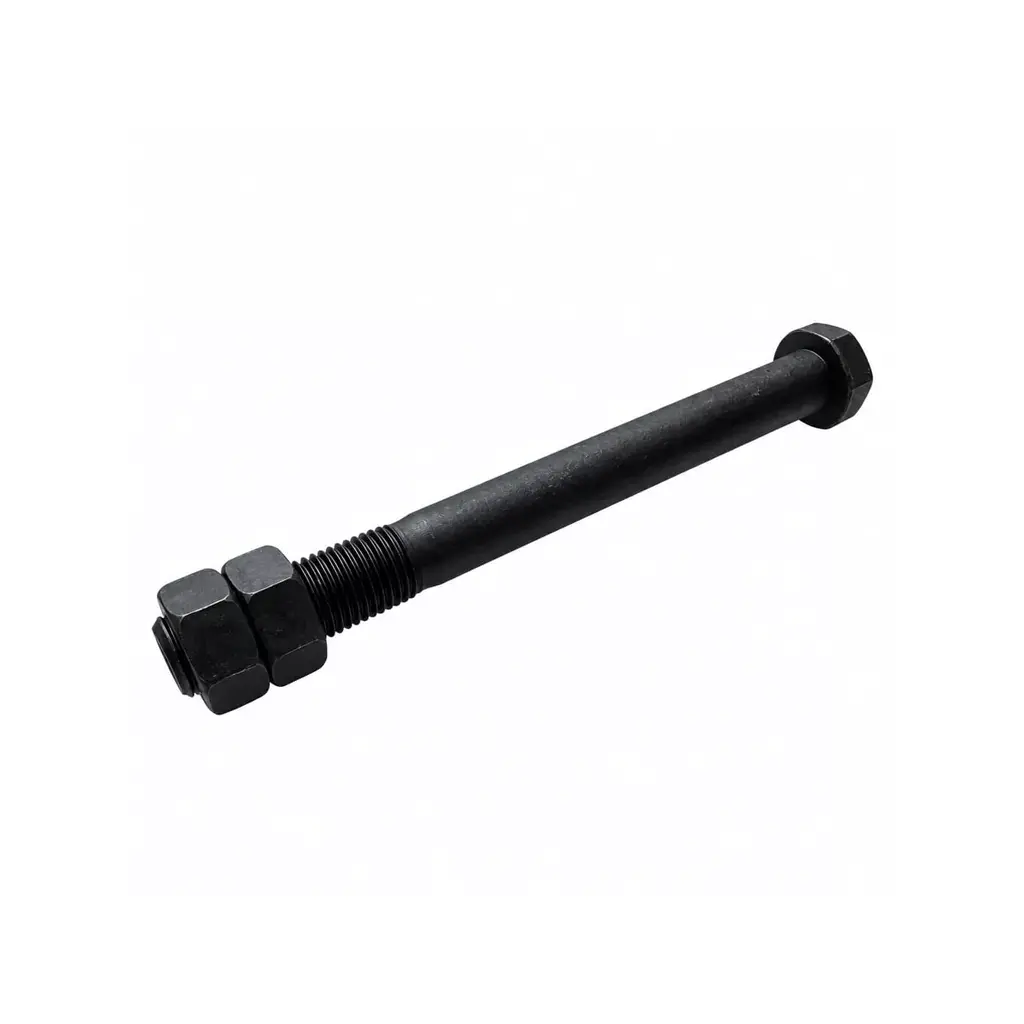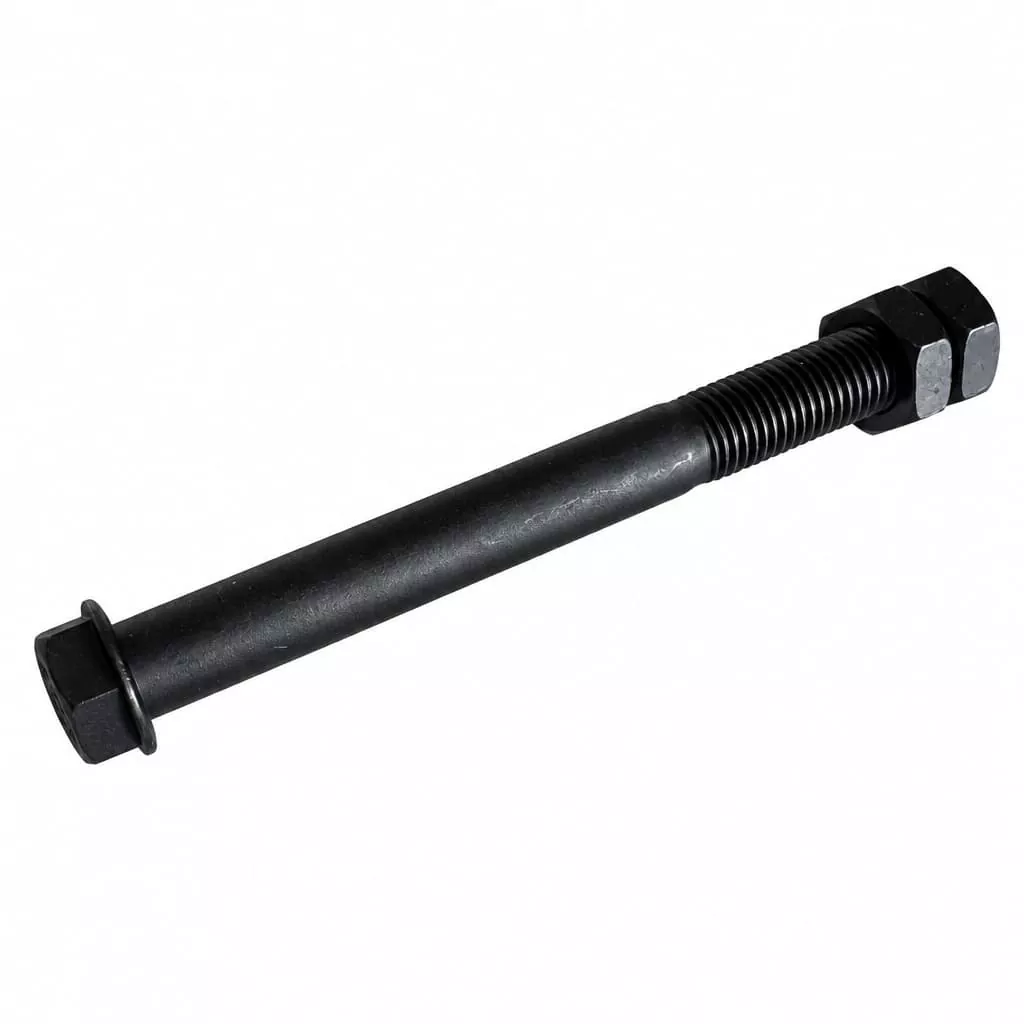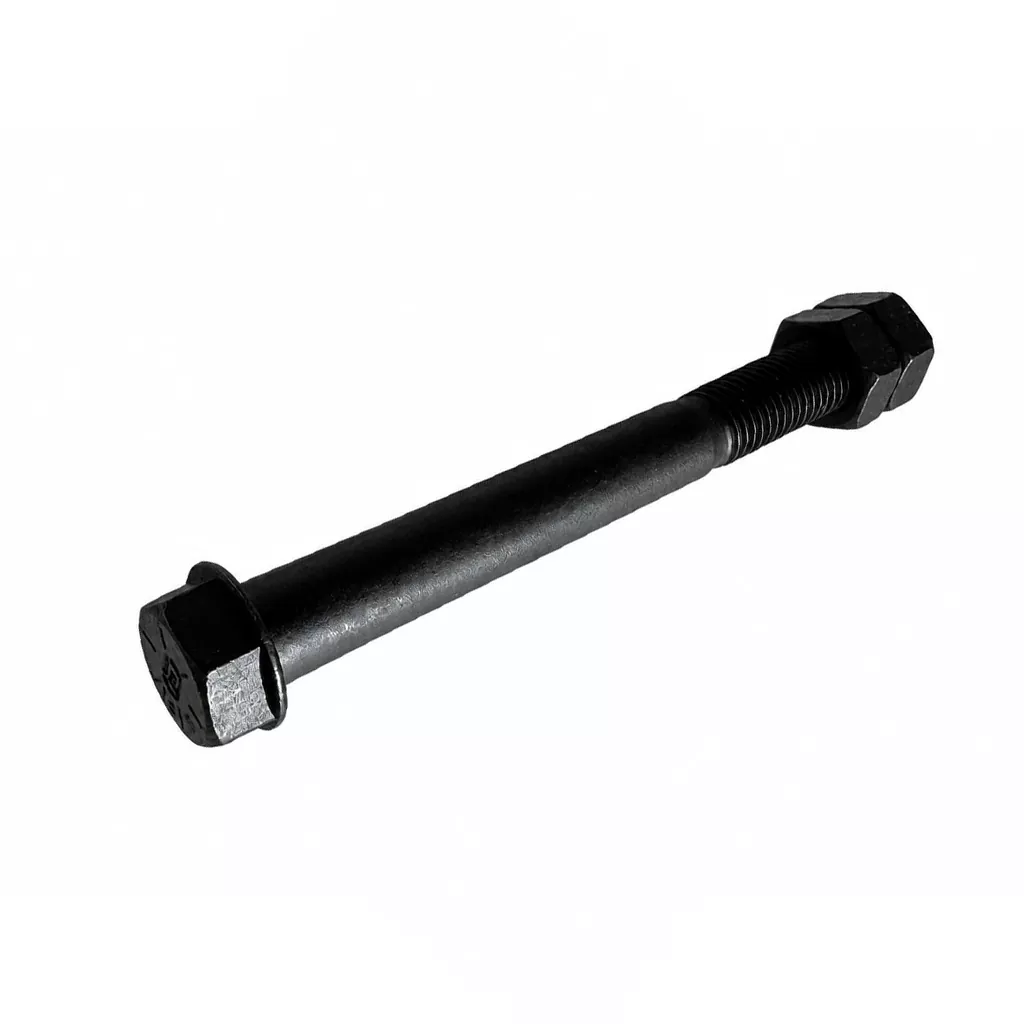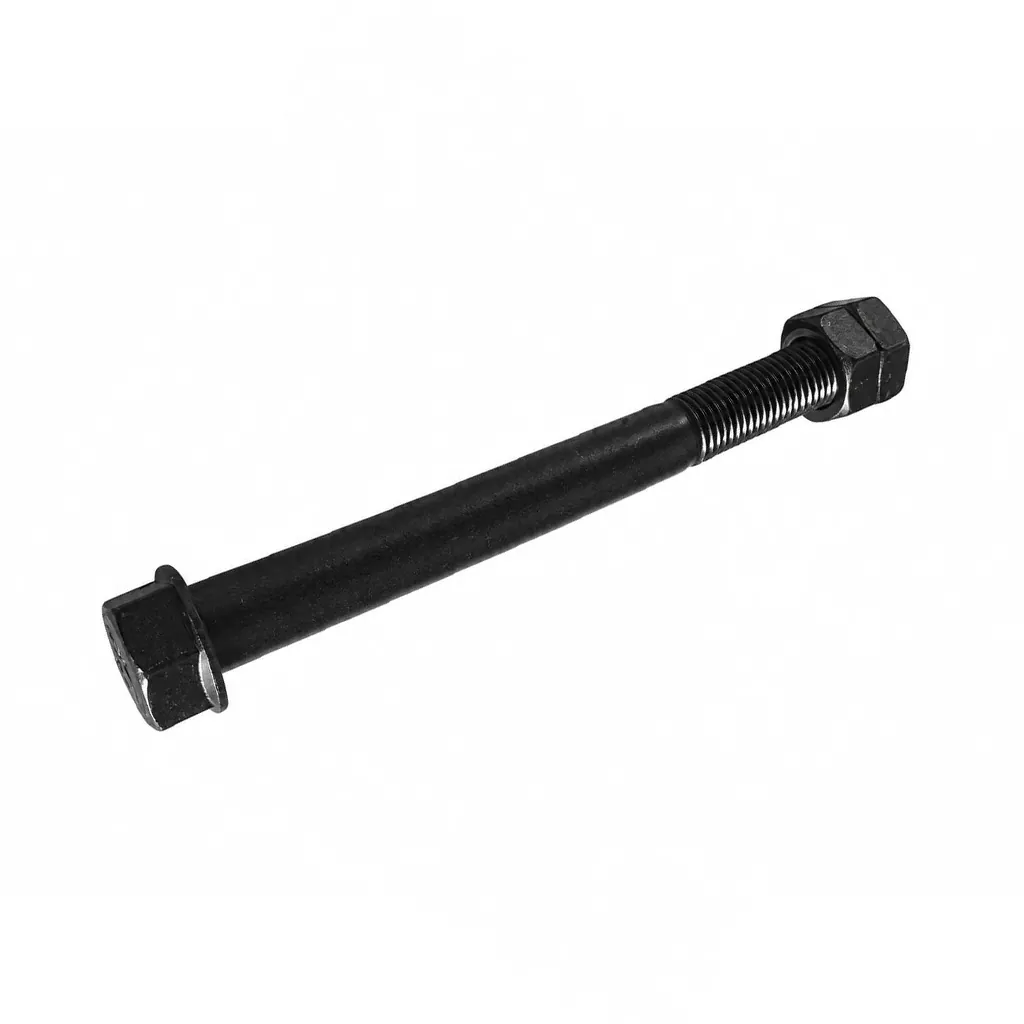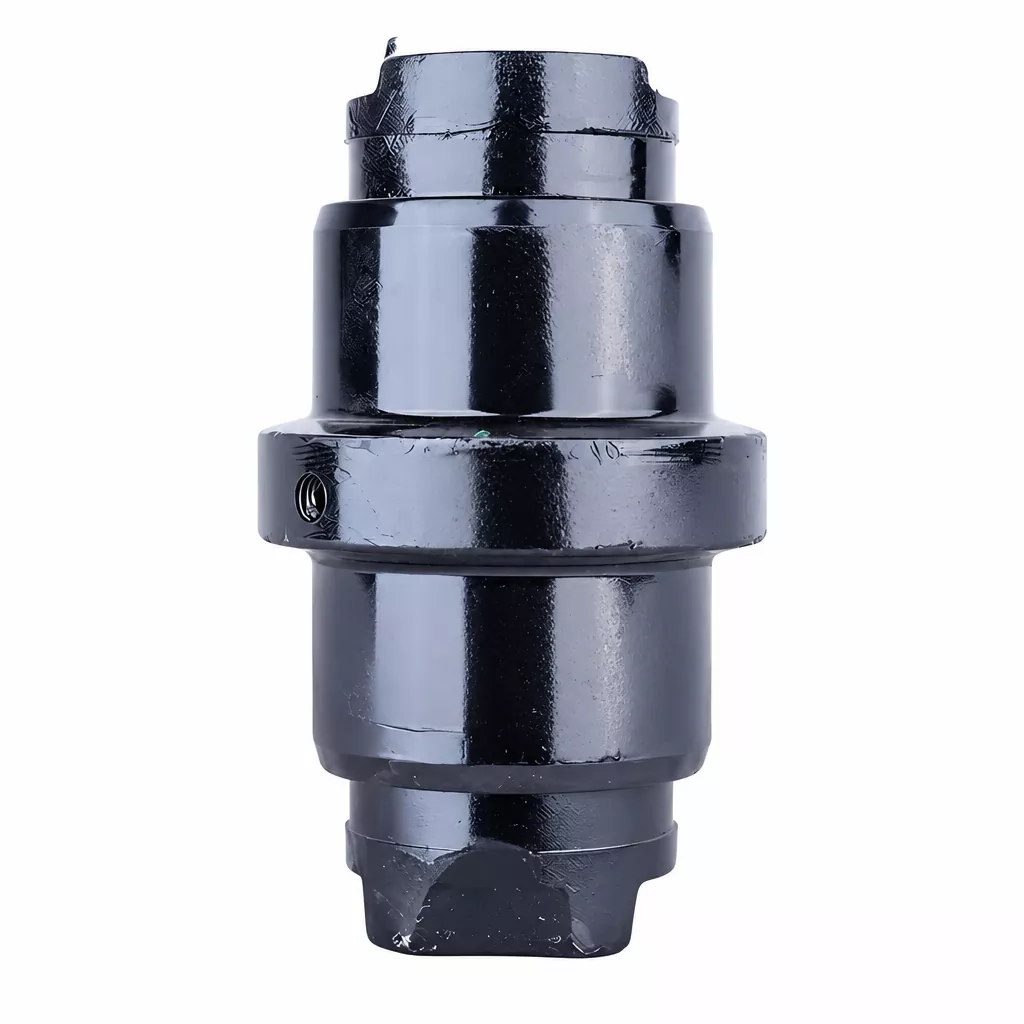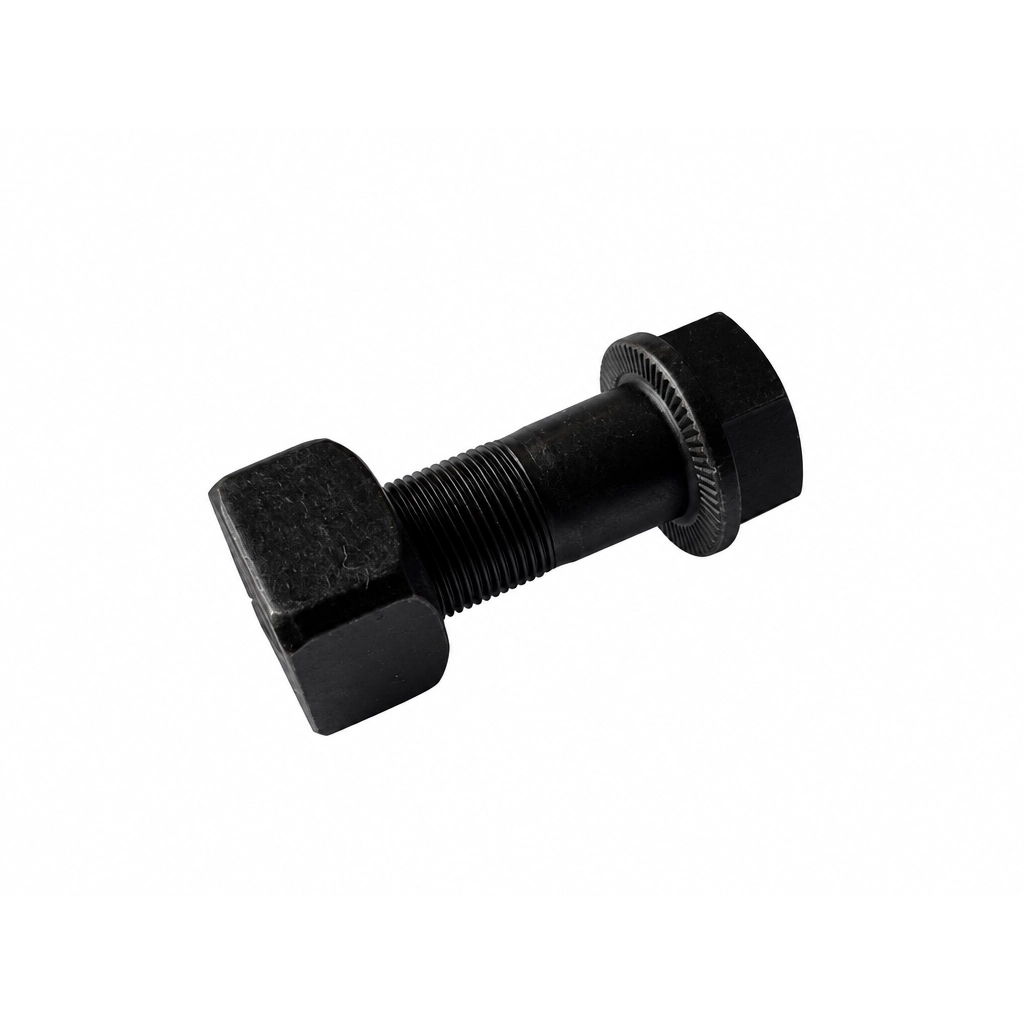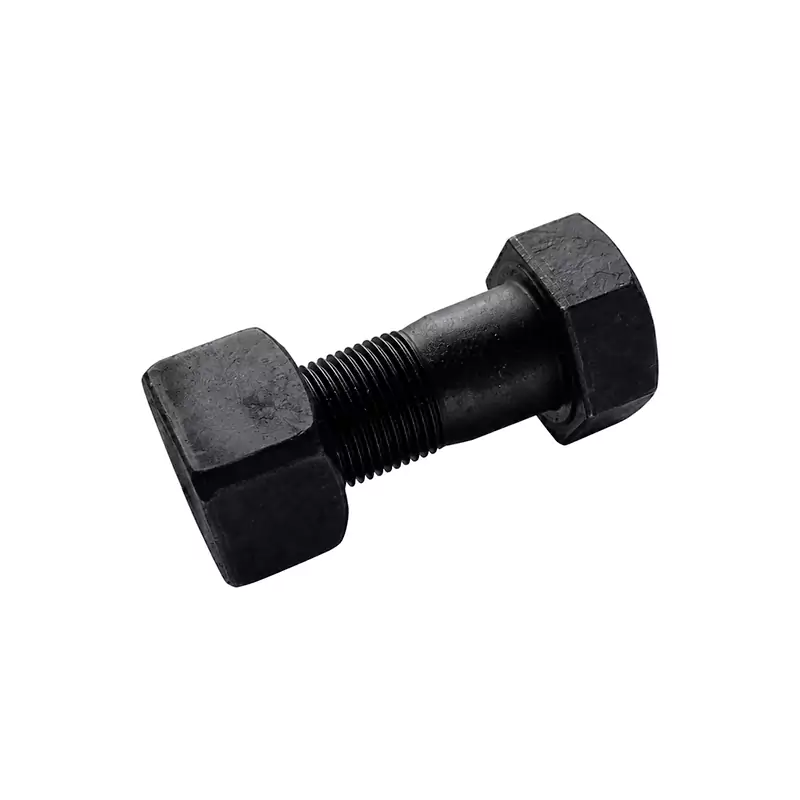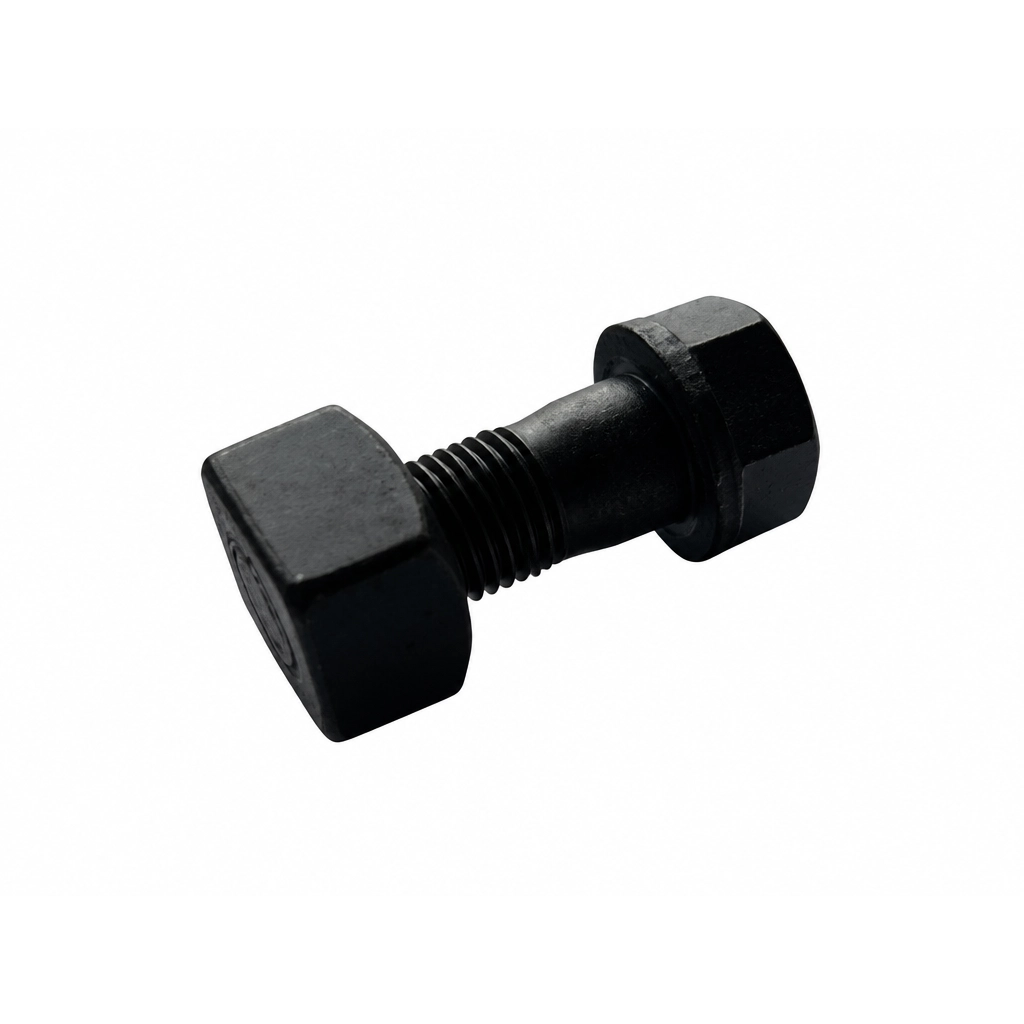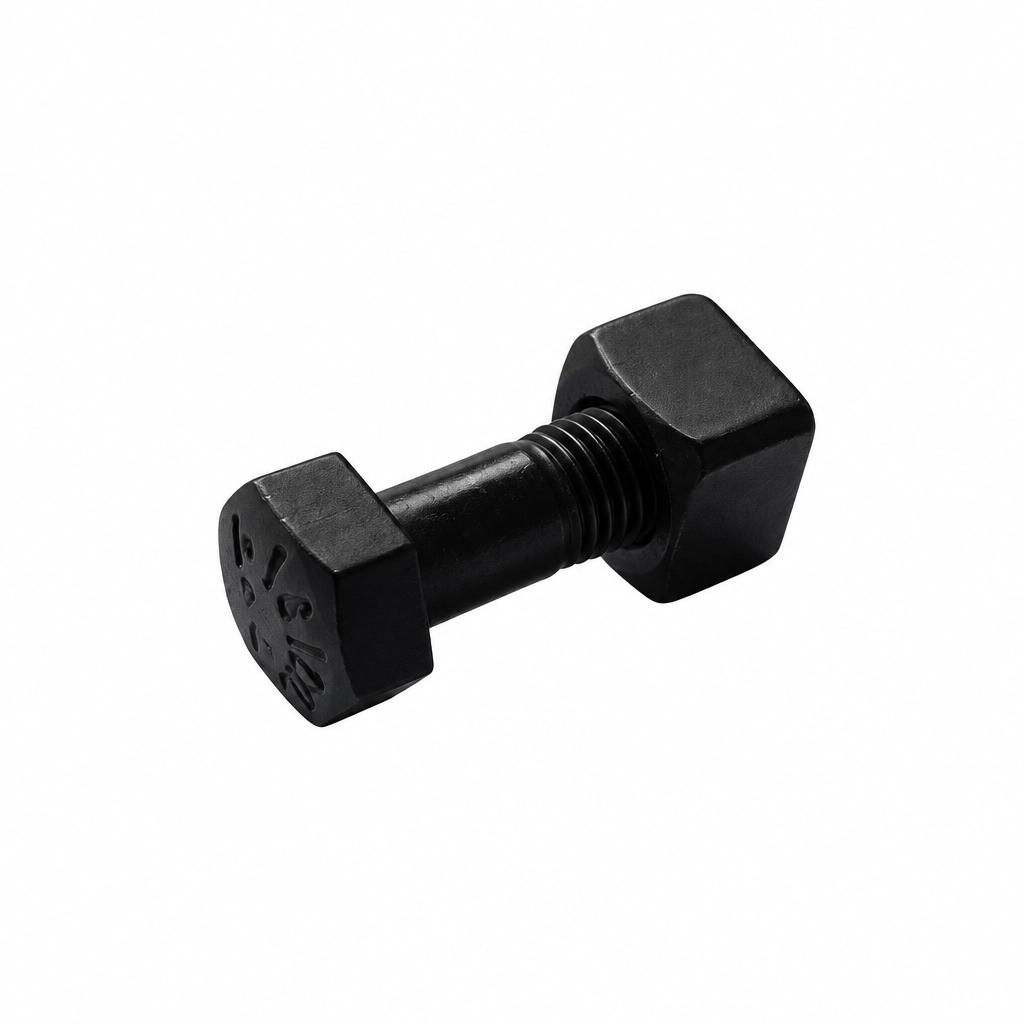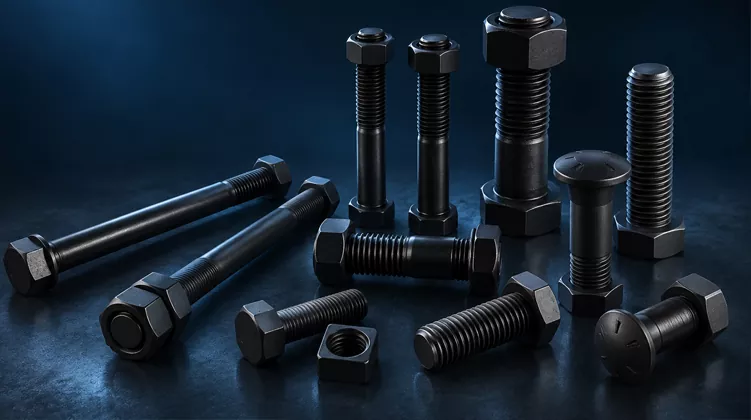
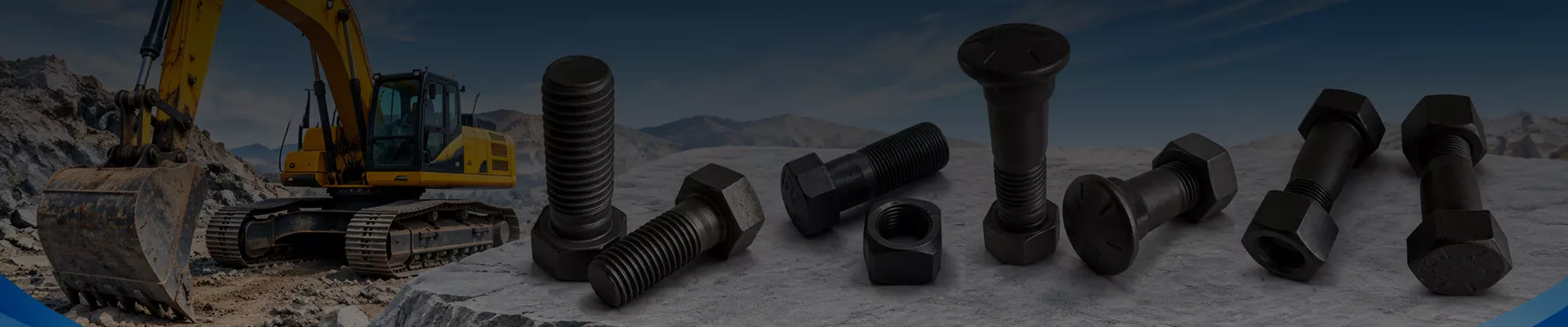
At JBXF Machinery, we supply bucket connection fasteners for equipment manufacturers, construction machinery distributors, maintenance contractors, and replacement-parts buyers. Our Bucket Pin Bolt and Nut solutions are intended for applications where secure retention and compatibility with the surrounding bucket structure are essential.
As a China-based fastener manufacturer and supplier, we understand that buyers need more than a product name when sourcing replacement parts. They need to confirm the connection position, dimensional compatibility, installation requirements, and working conditions. We work with customers to review these details before production so that the supplied components can match the intended equipment application.
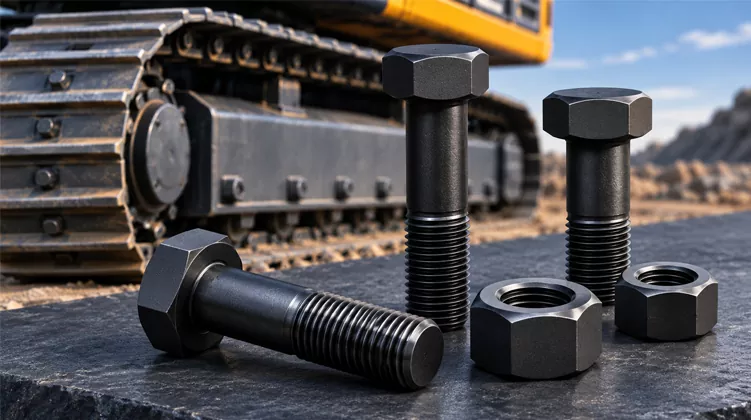
Excavator buckets operate under repeated digging, lifting, loading, and impact conditions. Their connection points must maintain the intended relationship between the bucket, linkage, and associated components. Depending on the equipment design, a pin-and-fastener arrangement may help retain a pivot connection or secure related components against unintended displacement.
When selecting Bucket Pin Bolt and Nut products, we recommend identifying the exact installation position rather than relying only on the machine model. Different joint locations on the same excavator may use different fastening arrangements. Buyers should provide assembly drawings, existing part references, or clear photographs showing the installation position to help us check compatibility.
A fastening component does not work independently of the surrounding structure. Its suitability depends on the dimensions and design of the connected parts, including the pin, retaining plate, mounting hole, and other associated hardware where applicable. We encourage buyers to evaluate the complete joint arrangement before confirming an order.
For replacement projects, checking the existing assembly can help identify whether the required part is a direct replacement or whether the fastening arrangement has been modified during previous maintenance. This is particularly important for older machines, rebuilt buckets, and equipment fitted with aftermarket components.
Bucket linkage joints are designed to move through a defined operating range. The fastening arrangement must retain the relevant components without interfering with the movement intended by the equipment design. Excessive tightening, incorrect component positioning, or unsuitable replacement hardware may affect assembly behavior.
When we review an inquiry, we consider the installation location and the function of the surrounding joint. Buyers should confirm whether the fastener is used for pin retention, plate fixing, or another connection purpose. This distinction helps prevent the selection of a component based only on a similar-looking external shape.
Repeated machine movement and working impacts can place continuous demands on retaining arrangements. If a pin or associated fastener begins to move out of its intended position, the surrounding components may experience abnormal contact or wear. A suitable fastening solution should therefore be selected according to the original assembly design and its retention method.
We recommend checking the pin position, retaining hardware, and nearby mounting surfaces during scheduled equipment inspections. Signs such as visible movement, missing hardware, unusual contact marks, or recurring loosening should be investigated before the machine returns to heavy-duty operation.
Bucket joints commonly work with pins and bushings that experience repeated relative movement. Over time, wear may develop on the pin surface, inside the bushing, or around the supporting structure. Replacing only one fastener cannot correct excessive clearance caused by worn joint components.
When customers source Bucket Pin Bolt and Nut products for maintenance work, we suggest checking the condition of the complete connection area. If the pin has noticeable play, uneven contact marks, or abnormal movement, the maintenance team should inspect the relevant pin, bushing, and mounting surfaces as well as the retaining hardware.
Before ordering, buyers should distinguish between a fastener replacement and a complete joint repair. A damaged nut or bolt may require replacement, while deformation, elongated holes, or excessive clearance may indicate a wider maintenance issue. Identifying the actual cause helps avoid repeated replacement orders and unnecessary equipment downtime.
At JBXF Machinery, we can review customer-provided drawings, part numbers, and reference samples to clarify the requested component. The final supply scope should be confirmed according to the approved technical information.
Before installing replacement hardware, maintenance personnel should compare the new component with the original specification. Relevant checks may include thread compatibility, overall dimensions, contact surfaces, seating position, and the condition of the mating parts. Any damaged threads, visible deformation, or mismatch with the original assembly should be addressed before installation.
For Bucket Pin Bolt and Nut replacement work, we recommend following the equipment manufacturer's service instructions for installation sequence, tightening requirements, locking arrangements, and inspection procedures. A generic tightening value should not be substituted for the machine-specific requirement.
Equipment fleets often contain machines from different production years or configurations. Even when machines share a similar model designation, their bucket assemblies or previous repair histories may differ. Buyers managing spare-parts inventory should record the part number, installation location, machine reference, and approved dimensions for each item.
This information makes repeat purchasing more efficient and reduces the risk of ordering visually similar but incompatible parts. For distributors and maintenance contractors, we recommend confirming the commonly used configurations before establishing regular stock quantities.
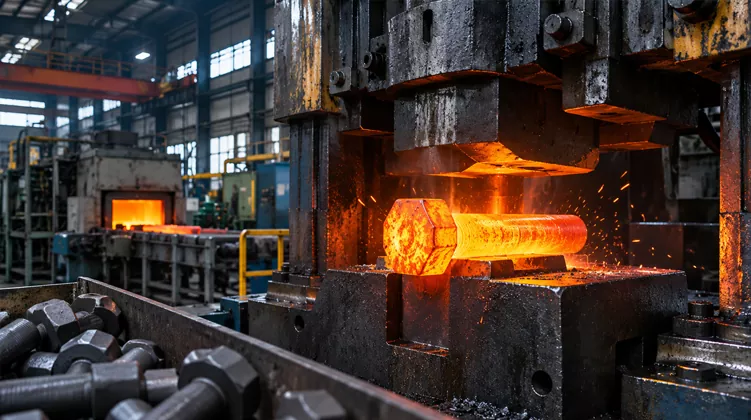
At JBXF Machinery, we approach each order according to the confirmed product specification and application requirements. Depending on the agreed design, production considerations may include material selection, dimensional control, thread processing, surface treatment, and the required inspection points.
For customers sourcing from a China factory, providing complete technical information at the quotation stage helps us assess manufacturing feasibility and reduce uncertainty. If the product is a non-standard replacement part, we recommend supplying a drawing or physical sample so that the relevant dimensions and construction details can be reviewed before production.
Quality verification should focus on the characteristics that affect fit and function. Depending on the agreed specification, inspection may cover dimensions, thread condition, surface appearance, and other applicable requirements. Any special testing, inspection documentation, or acceptance criteria should be discussed and confirmed before the order is placed.
We do not assume that all bucket connection fasteners share the same material grade, strength class, or surface treatment. These details must be established from the customer's drawing, technical agreement, or approved sample. This approach helps ensure that the delivered Quality matches the actual purchasing requirements rather than an unverified assumption.
We support inquiries from excavator parts distributors, machinery repair companies, equipment manufacturers, and project procurement teams. Whether the requirement involves routine replacement or a custom configuration, we first review the application and technical details to determine the appropriate supply arrangement.
For repeat orders, we recommend maintaining an approved drawing or sample reference. This helps both parties identify the same product configuration when discussing future production, inspection, and delivery arrangements.
To help us evaluate your Bucket Pin Bolt and Nut inquiry, please provide the equipment brand and model, installation location, part number if available, required quantity, and any existing drawing or sample. Photos of the assembled connection can also help us understand the application, although they should not replace dimensional confirmation when precise compatibility is required.
As a Durable fastening parts supplier, our priority is to understand the operating application and supply requirements before confirming the product. We can then discuss the available manufacturing route, order quantity, packaging, and delivery arrangements with the buyer.
Start with the equipment model, original part number, and exact installation location. If these details are unavailable, provide clear photographs, measurements, or a physical sample. We recommend confirming the complete fastening arrangement before ordering because similar-looking components may have different dimensions or functions.
We can review custom manufacturing inquiries based on customer drawings or physical samples. Before production, we need to confirm the key dimensions, material requirements, thread details, surface treatment, inspection criteria, and order quantity. Manufacturing feasibility and the final specification are subject to technical review.
Not necessarily. A loose joint may result from worn pins, bushings, mounting holes, retaining components, or incorrect assembly. Replacing the fastener alone may not solve the underlying problem. We recommend inspecting the complete connection area and following the equipment manufacturer's maintenance instructions.
Please send the part number or drawing, equipment model, installation position, required quantity, material or surface-treatment requirements if specified, and destination country. If you are sourcing a replacement without technical documents, photographs and sample measurements can help us begin the evaluation.
Yes. We accept inquiries from distributors, repair companies, equipment manufacturers, and industrial buyers. Order quantities, production arrangements, packaging, and delivery schedules should be confirmed according to the product specification and actual order requirements.
Choosing the correct bucket connection hardware starts with understanding the joint design and the actual replacement requirement. At JBXF Machinery, we work with buyers to review product references, drawings, samples, and order specifications before confirming a supply plan.
Contact our team with your equipment details, drawings, photographs, or sample requirements. As your China Manufacturer and Supplier, we will review the information and provide a quotation based on the confirmed product configuration, quantity, and delivery requirements.