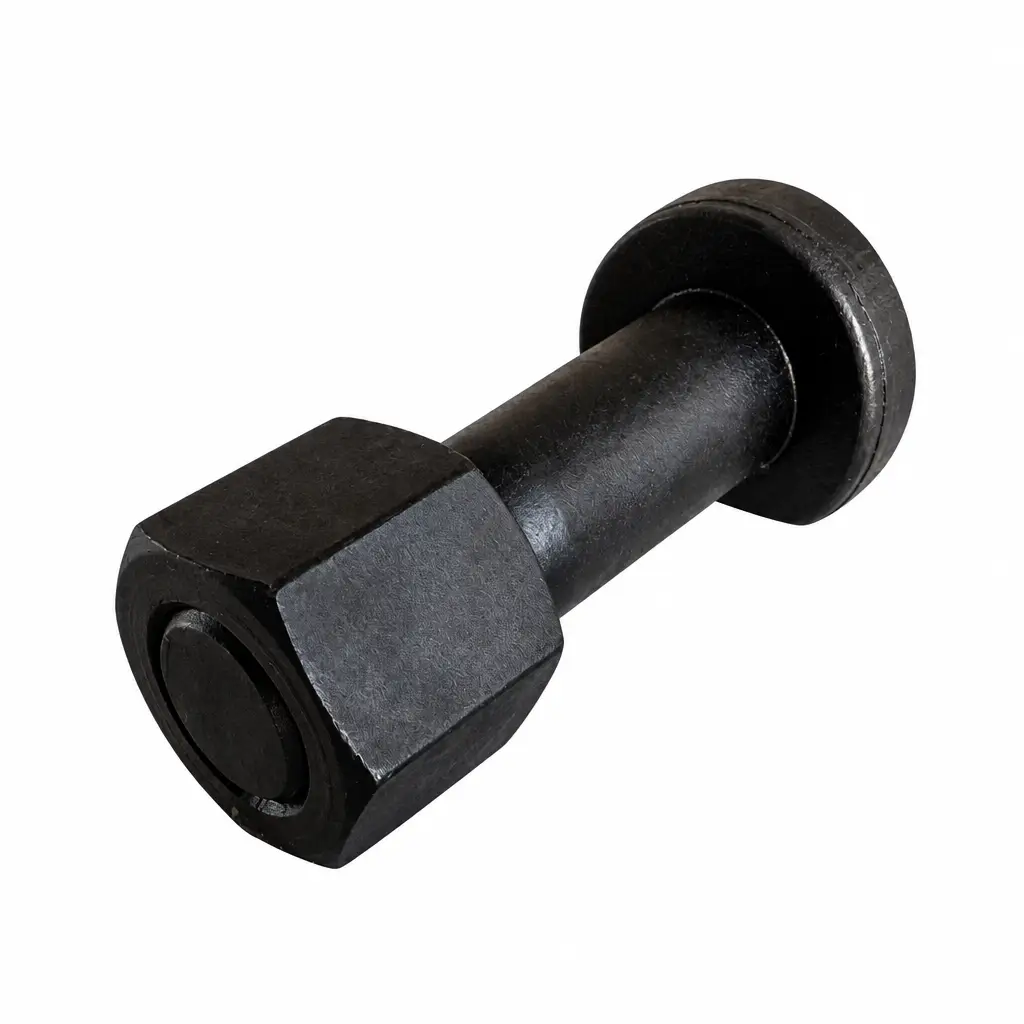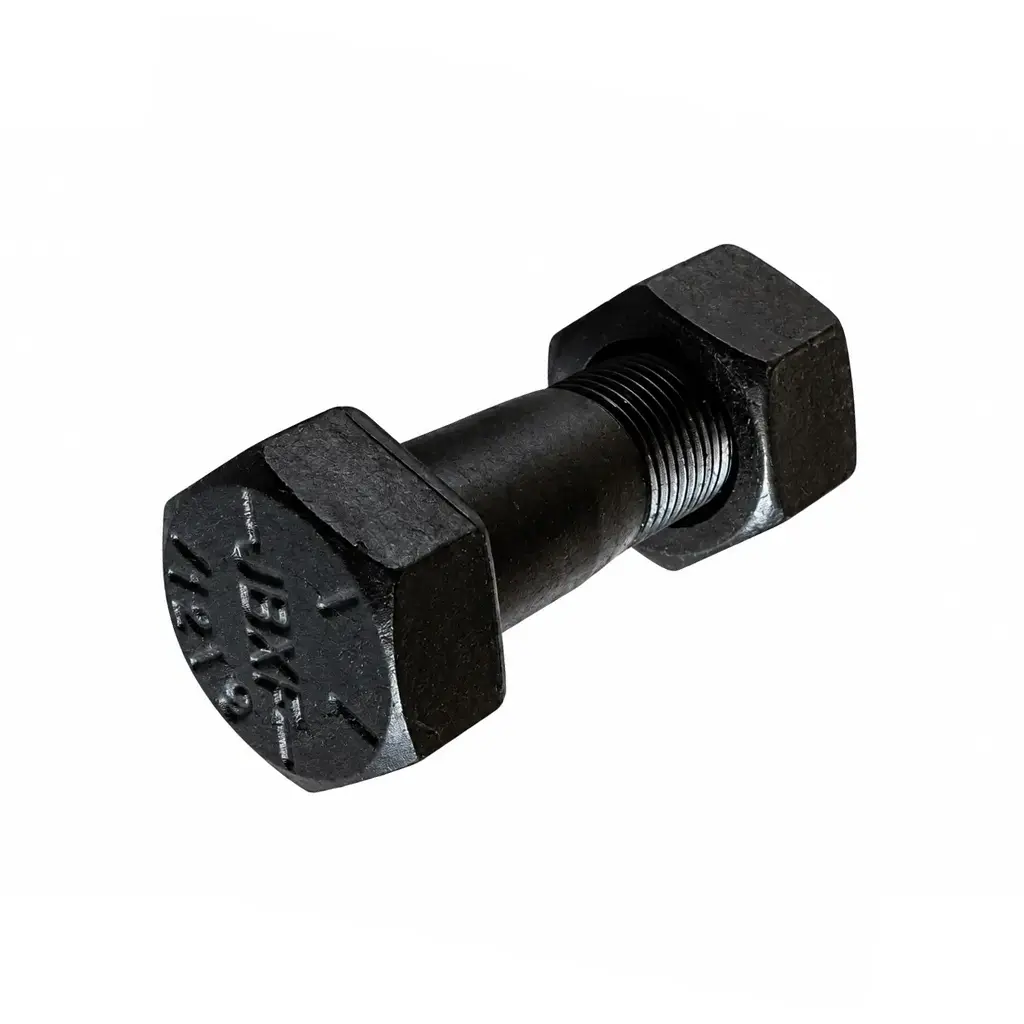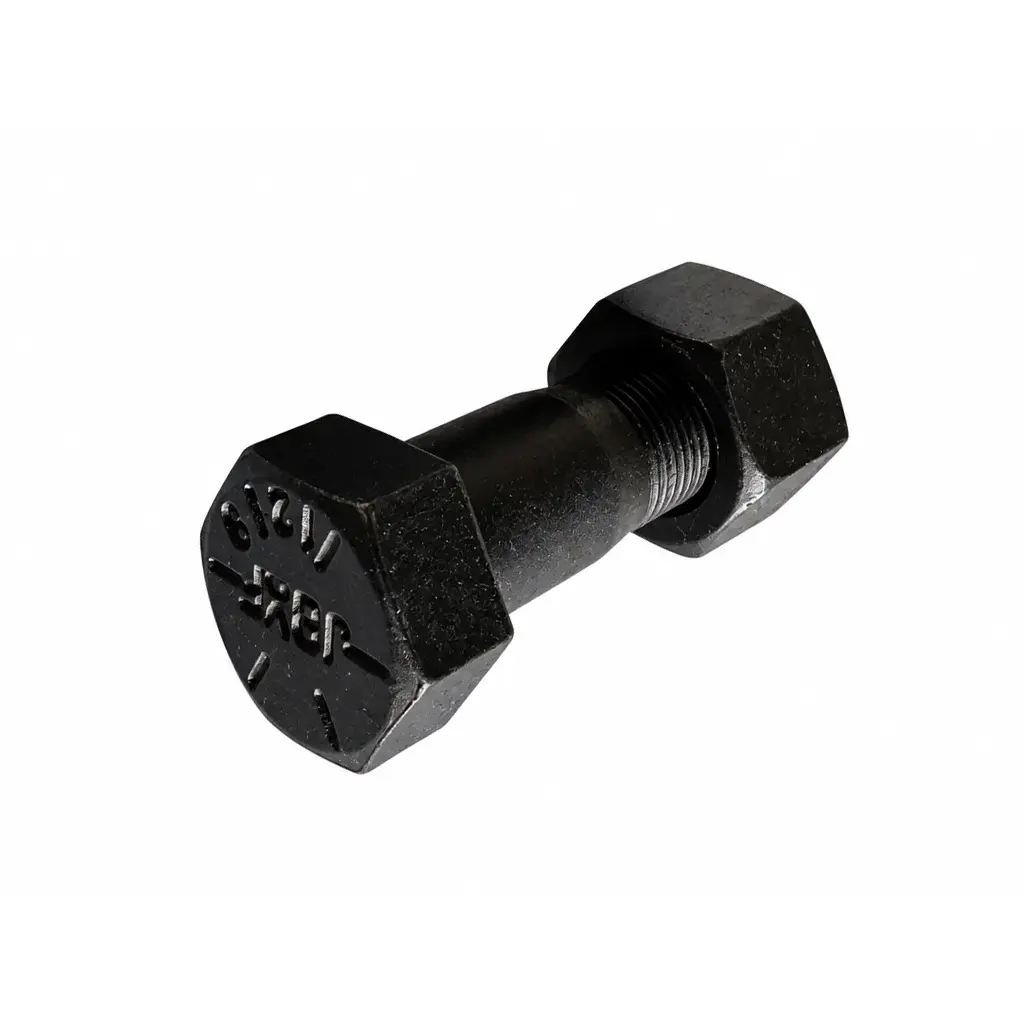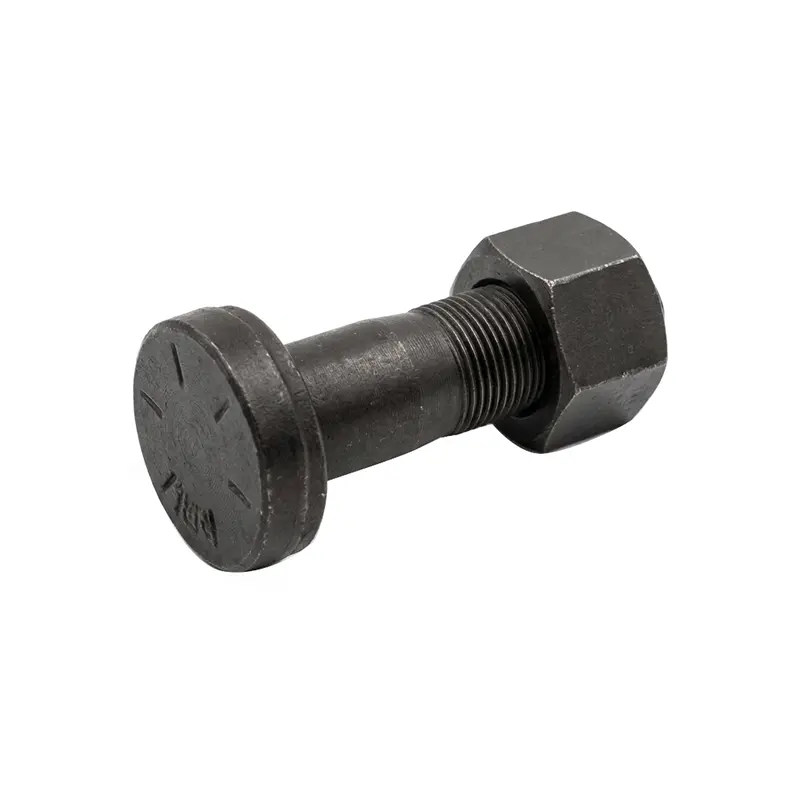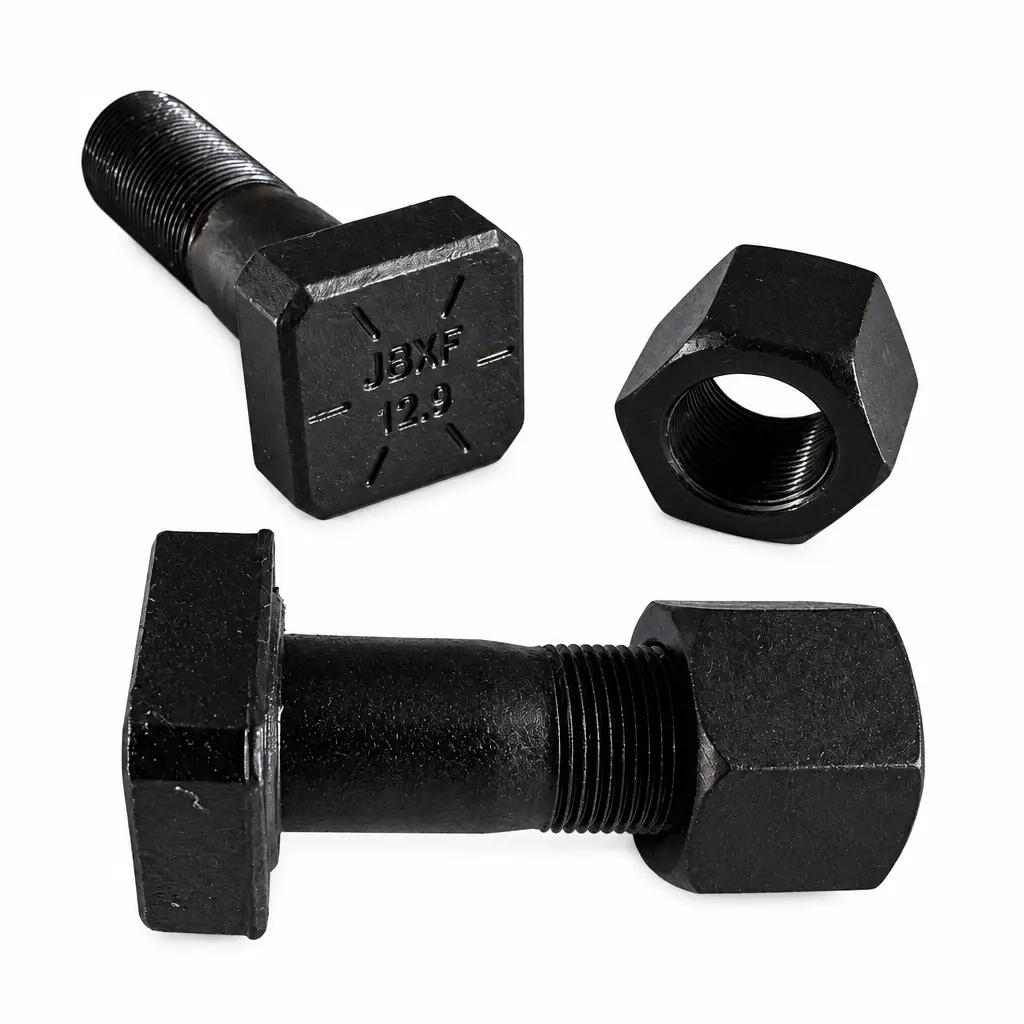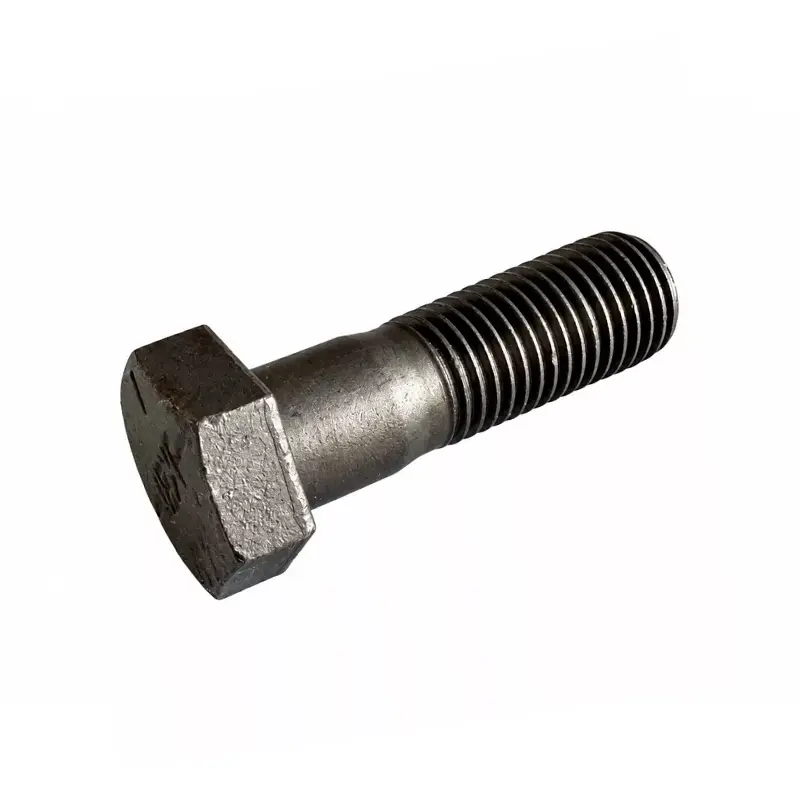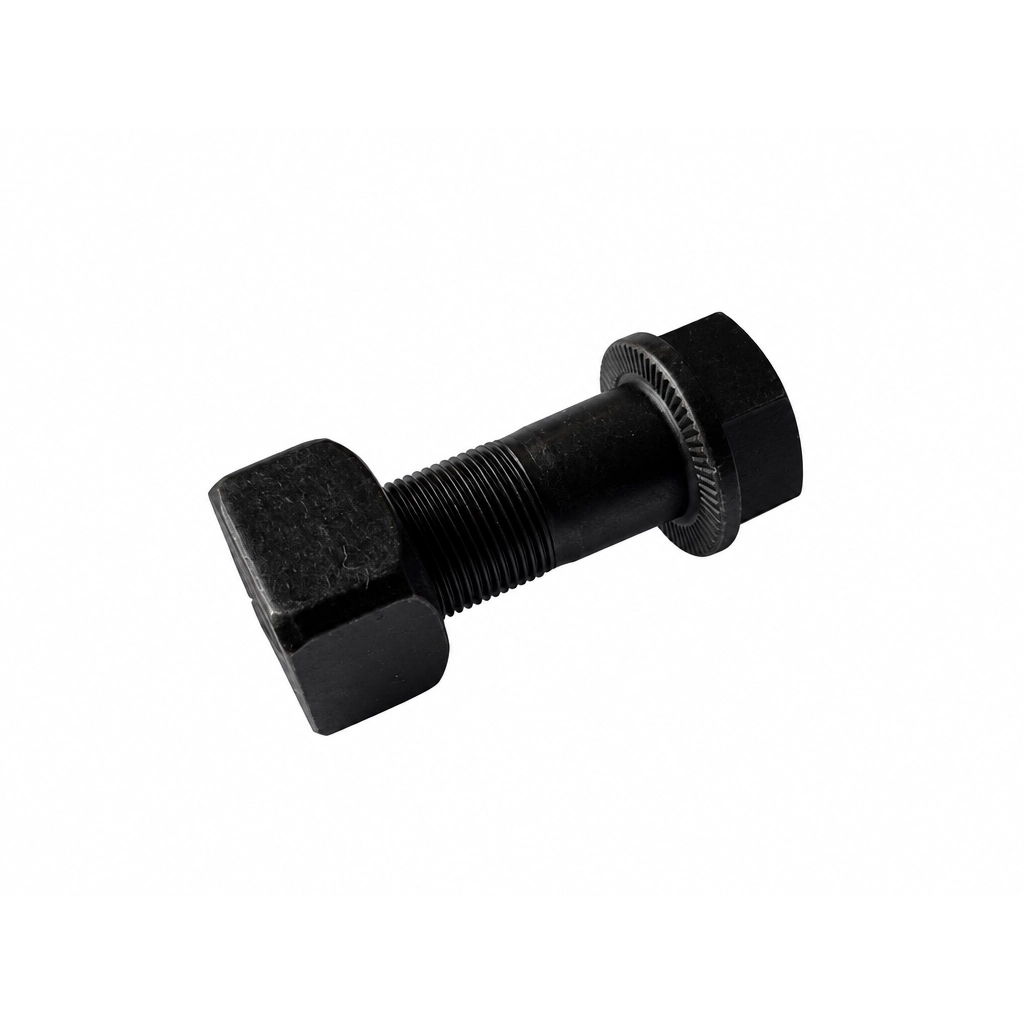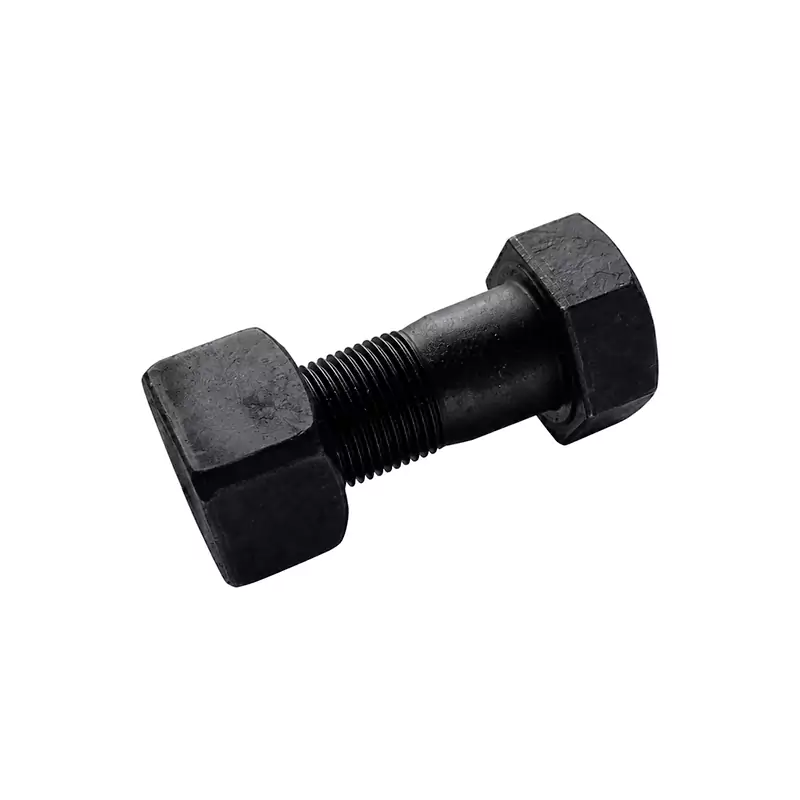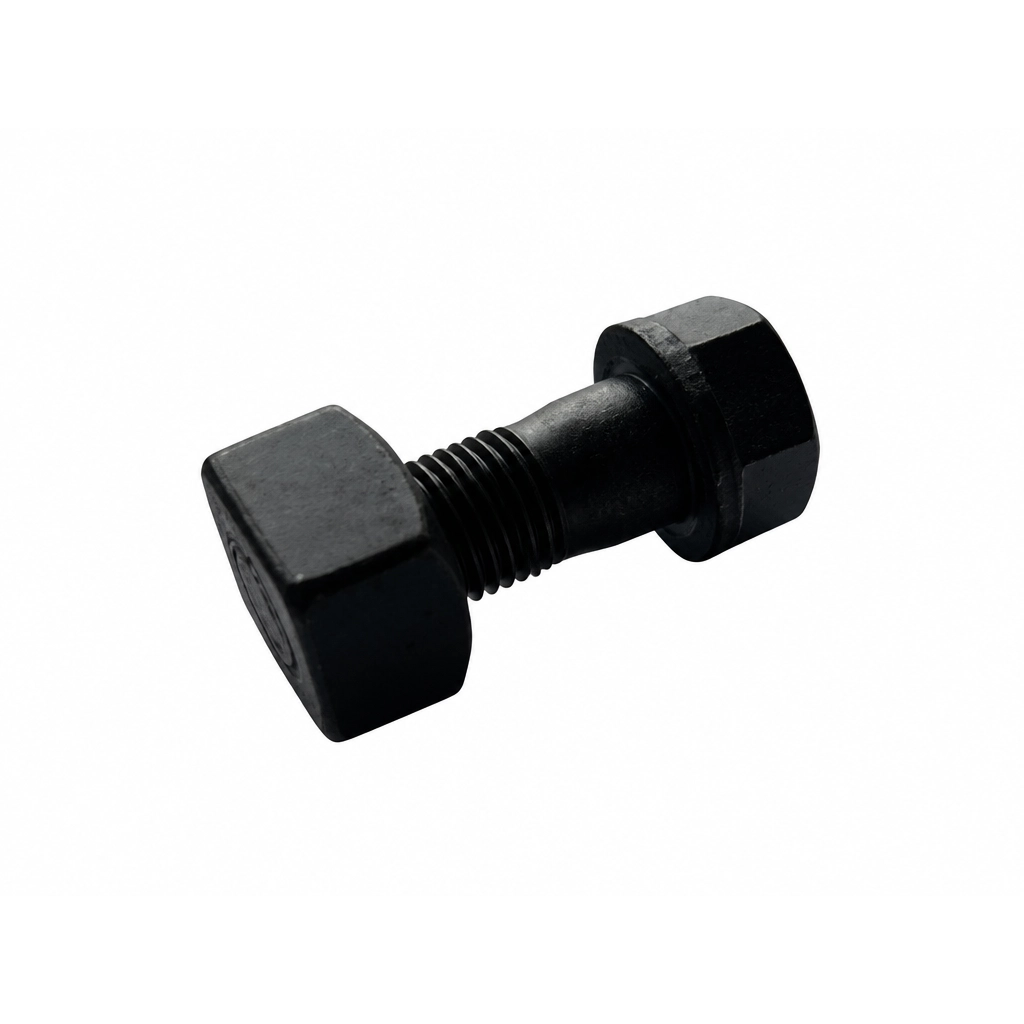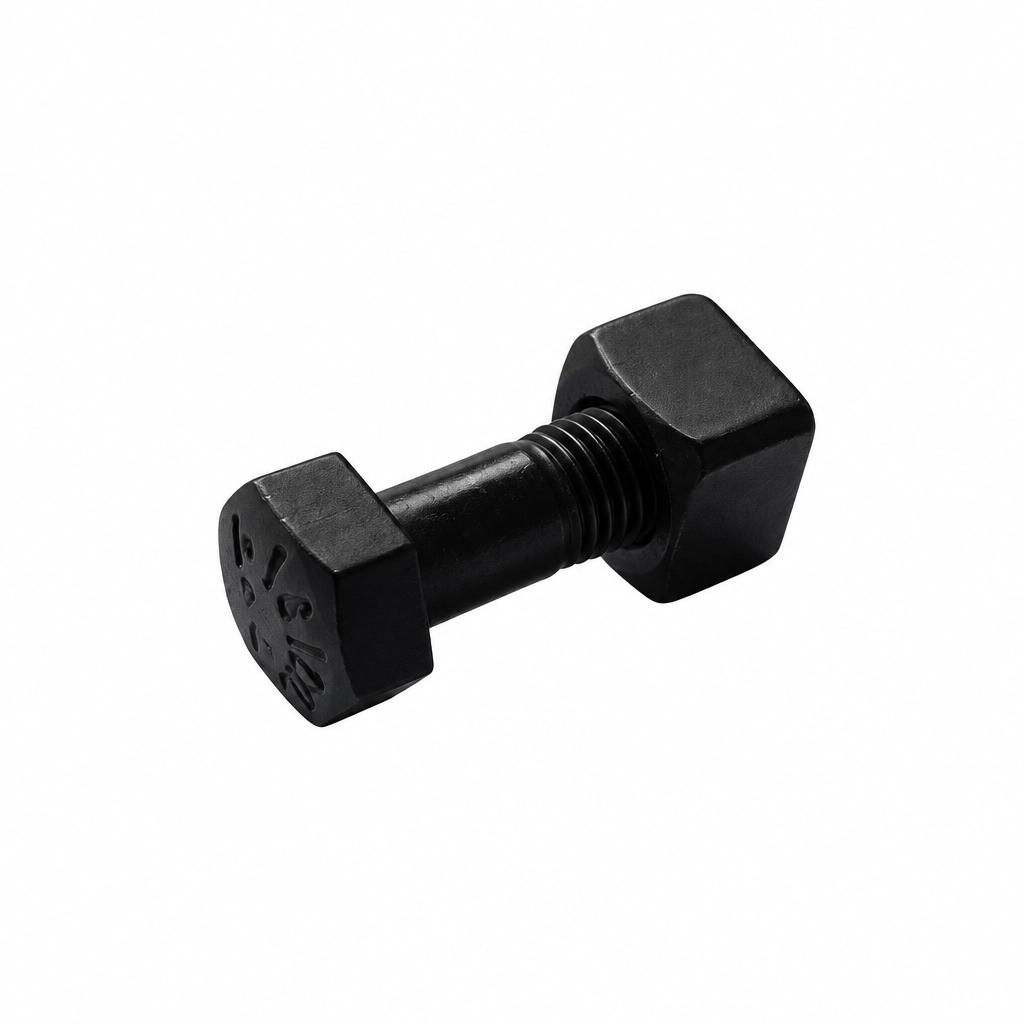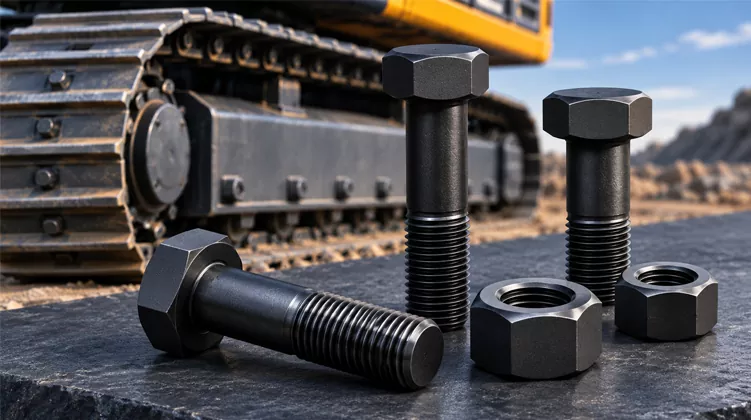
At JBXF Machinery, we supply railway fastening components designed to meet the connection requirements of railway infrastructure, track assembly, and maintenance projects. Segment bolt and nuts are used in specific mechanical fastening arrangements where component positioning, dimensional coordination, and reliable joint assembly are important. Their suitability depends on the structure being connected, the required fastening force, and the installation environment.
As a China-based railway fastener manufacturer and supplier, we understand that different railway projects may require different bolt geometries, thread configurations, material grades, and surface treatments. We work with buyers to review technical drawings and application requirements before confirming the appropriate manufacturing specifications. Our goal is to help international customers source Quality fastening components that match their actual engineering needs.
Segment fastening assemblies may be used in railway structures where individual components need to be joined according to a defined mechanical arrangement. The bolt and nut configuration must correspond to the connection geometry, available installation space, and structural requirements of the application.
When evaluating an order, we pay attention to the relationship between the bolt dimensions and the connected parts. Bolt diameter, shank length, head configuration, thread position, and nut dimensions all influence how the assembly fits together. A suitable design helps maintain consistent contact between connected components and supports the intended fastening arrangement.
For customers working on specialized railway infrastructure, we recommend confirming the connection drawings and component interfaces before production. This is particularly important when replacing existing fasteners or sourcing components for equipment with non-standard dimensions.
In railway assembly work, small dimensional differences can create installation problems or affect the compatibility of replacement components. A bolt that appears similar to an existing part may still have a different thread length, head profile, or shoulder dimension.
At JBXF Machinery, we encourage customers to define critical dimensions clearly during the quotation stage. Depending on the application, these may include nominal diameter, overall length, head width, head height, thread pitch, thread tolerance, and nut height.
For maintenance contractors and railway parts distributors, dimensional consistency is especially important when purchasing replacement batches. Maintaining agreed specifications helps reduce the risk of mixing incompatible components and makes inventory management more predictable.
The effectiveness of a bolted connection depends on more than the bolt's nominal strength. The selected fastener, nut, connected materials, thread engagement, and tightening procedure work together to determine the performance of the assembled joint.
For railway applications, the required tightening method should follow the relevant engineering specification. Excessive tightening may damage threads or connected components, while insufficient tightening may result in inadequate clamping force. The appropriate torque or preload must therefore be determined according to the applicable design requirements rather than using a universal value.
When discussing a project, we recommend confirming whether the buyer has specified a tightening procedure, mechanical property class, or particular assembly standard. This information helps us understand the intended working conditions and identify suitable manufacturing requirements.
Thread quality has a direct influence on the assembly of bolts and nuts. Inconsistent thread profiles, surface defects, or dimensional deviations may lead to difficult installation, poor engagement, or premature thread damage.
Our manufacturing discussions cover the required thread form, nominal diameter, pitch, tolerance class, and finishing requirements. These details should be established before production, particularly for customized railway fastening components that must fit existing equipment or project-specific assemblies.
For buyers sourcing Segment Bolt and Nut products in larger quantities, consistent manufacturing specifications are important for maintaining batch uniformity. We recommend agreeing on inspection methods and acceptance criteria before placing a bulk order.
Railway fastening components may operate in environments exposed to rainwater, humidity, dust, industrial pollutants, and changing temperatures. These conditions can influence corrosion development and the maintenance requirements of threaded connections.
We can discuss surface protection options according to the intended operating environment and project specifications. Depending on the requirements, possible treatments may include hot-dip galvanizing, zinc-based coatings, or other specified protective finishes.
When selecting a coating, buyers should consider not only corrosion resistance but also its effect on thread dimensions and nut compatibility. A coating that is unsuitable for the specified tolerance may interfere with assembly. For this reason, coating requirements and dimensional acceptance criteria should be confirmed together.
Railway fastening procurement often involves coordination between engineering departments, construction contractors, maintenance teams, and purchasing managers. Each department may focus on different requirements, including technical compliance, installation convenience, replacement compatibility, and supply schedules.
For new infrastructure projects, engineering drawings and technical specifications provide the basis for product evaluation. We help customers organize these requirements before confirming an order.
For maintenance projects, original samples and existing component measurements can help identify the correct replacement configuration. Segment Bolt and Nut procurement may also involve multiple dimensions or specifications within one project.
We recommend separating different models clearly in the purchase documentation to avoid confusion during production, packaging, and delivery.
For railway infrastructure procurement, inspection requirements should be defined according to the technical standard and intended application. Depending on the order specification, relevant checks may include dimensional measurement, thread gauging, hardness testing, tensile testing, and surface treatment inspection.
We recommend that buyers establish the required inspection frequency, sampling method, acceptance limits, and documentation before production begins. Where project traceability is necessary, material identification and batch records should also be discussed in advance.
These arrangements help purchasing teams evaluate product conformity and reduce uncertainty when receiving components for railway construction or maintenance work. The specific inspection scope should always correspond to the agreed product specification and applicable engineering requirements.
Not every railway fastening project uses identical bolt dimensions or connection configurations. Some applications require standard components, while others involve customized head shapes, thread lengths, material grades, or protective coatings.
As a Segment Bolt and Nut manufacturer and supplier in China, JBXF Machinery welcomes technical inquiries from railway contractors, engineering companies, distributors, and industrial buyers. We can review customer drawings, samples, and purchase specifications to discuss manufacturing feasibility and suitable production arrangements.
For bulk procurement, we recommend confirming the model breakdown, total quantity, packaging requirements, inspection documentation, and delivery destination before order placement. Clear communication at this stage helps coordinate production and international shipment more efficiently.
At JBXF Machinery, we understand that railway fastener procurement requires careful coordination between technical specifications and commercial requirements. A competitive quotation should be based on the correct dimensions, material requirements, manufacturing processes, and inspection scope rather than unit price alone.
As a China railway fastener factory and supplier, we focus on understanding customer requirements before recommending a production arrangement. We pay attention to dimensional consistency, thread compatibility, surface treatment, and agreed quality inspection criteria.
For international buyers, we also recognize the importance of clear communication during quotation, specification confirmation, production coordination, and shipment preparation. Our objective is to support customers seeking Durable railway fastening components and a dependable manufacturing partner for ongoing procurement requirements.
A segment bolt and nut assembly is a threaded mechanical fastening combination used in applications where specific components or structural sections need to be securely connected. The exact application depends on the equipment design and engineering specification. Buyers should confirm the intended connection and component drawing before selecting a model.
We recommend checking the bolt diameter, overall length, head dimensions, thread pitch, thread length, material grade, and matching nut dimensions. If the fastener is being used as a replacement, providing an original sample or technical drawing is the most reliable way to confirm compatibility.
Yes. We can discuss customized manufacturing according to customer drawings and technical requirements. Before production, the drawing should clearly identify critical dimensions, thread specifications, material requirements, surface treatment, and applicable tolerances.
Carbon steel and other specified steel materials may be considered depending on the required mechanical properties and working environment. The final material selection should follow the engineering specification, required strength class, and applicable standards. We recommend confirming these requirements before quotation.
Possible surface treatments include hot-dip galvanizing, zinc-based coatings, and other specified protective finishes. The appropriate option depends on corrosion exposure, dimensional requirements, and the intended assembly conditions. Coating thickness and thread compatibility should be evaluated together.
Both components should have matching thread diameter, pitch, profile, and tolerance requirements. Buyers should also check thread engagement length and the relevant mechanical property requirements. We recommend confirming the complete bolt and nut combination rather than purchasing the two components independently.
Common inspection items may include dimensional checks, thread gauging, hardness testing, tensile testing, and surface coating inspection. The actual inspection plan depends on the applicable standard and purchase agreement. We can discuss the required inspection scope during order confirmation.
Yes. JBXF Machinery welcomes inquiries from international distributors, railway contractors, and industrial procurement companies. Please provide your required specifications, estimated order quantity, destination country, and delivery expectations so we can evaluate the appropriate supply arrangement.
To help us prepare an accurate quotation, please provide technical drawings or samples, bolt dimensions, thread specifications, material grade, surface treatment, applicable standards, order quantity, and delivery destination. If you have special packaging or inspection requirements, please include them in your inquiry.
At JBXF Machinery, we welcome inquiries from railway infrastructure contractors, distributors, wholesalers, and engineering procurement teams. To help us evaluate your requirements, please send your technical drawings, product dimensions, material specifications, surface treatment requirements, and estimated order quantity.
Our team can review your requirements and discuss suitable manufacturing and supply arrangements. Contact JBXF Machinery to request product information and a quotation for your next railway fastening procurement project.