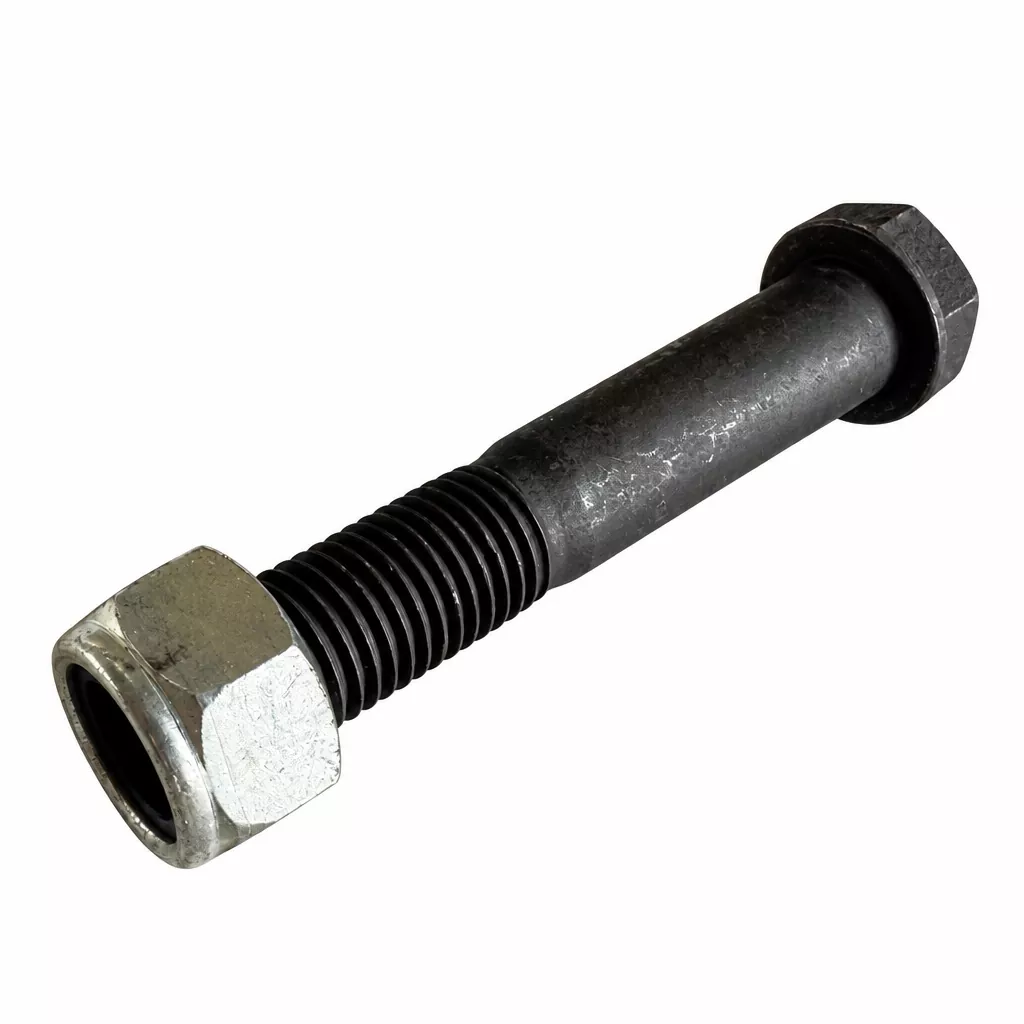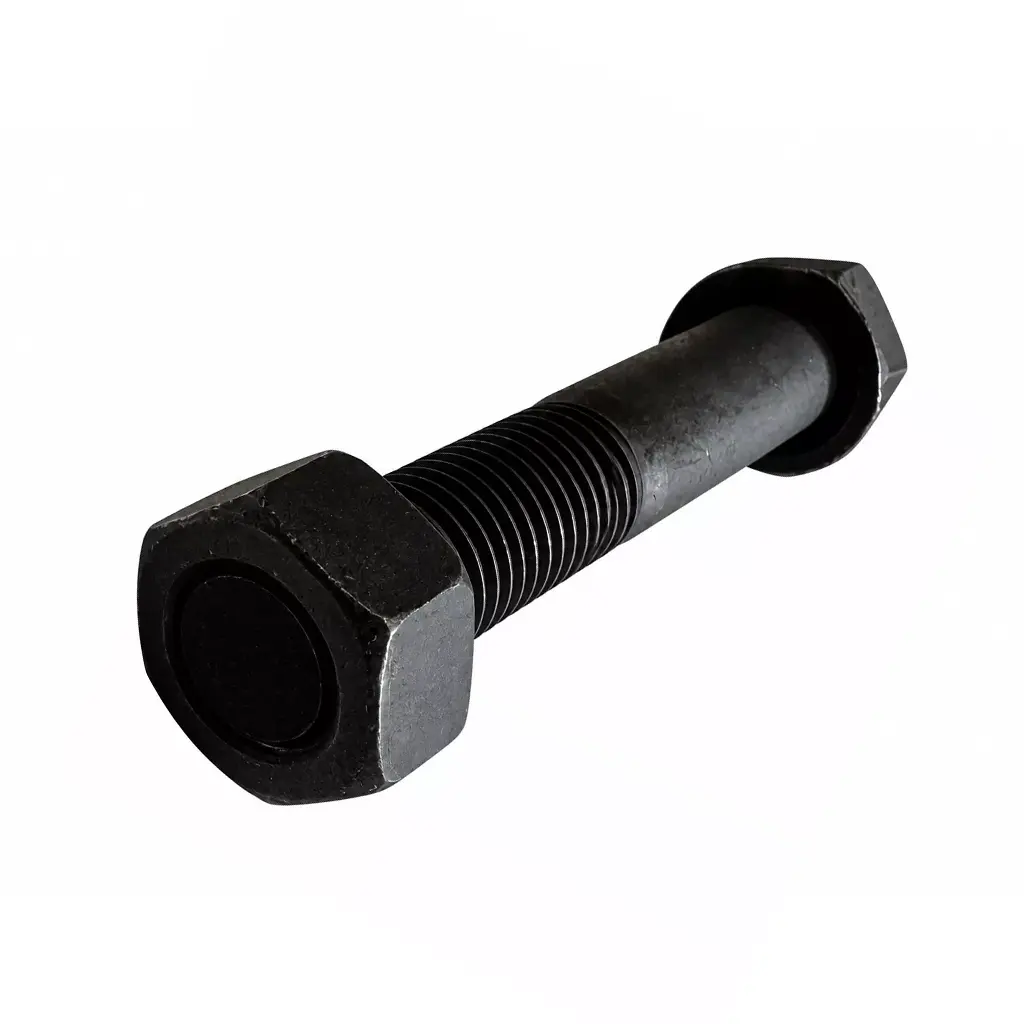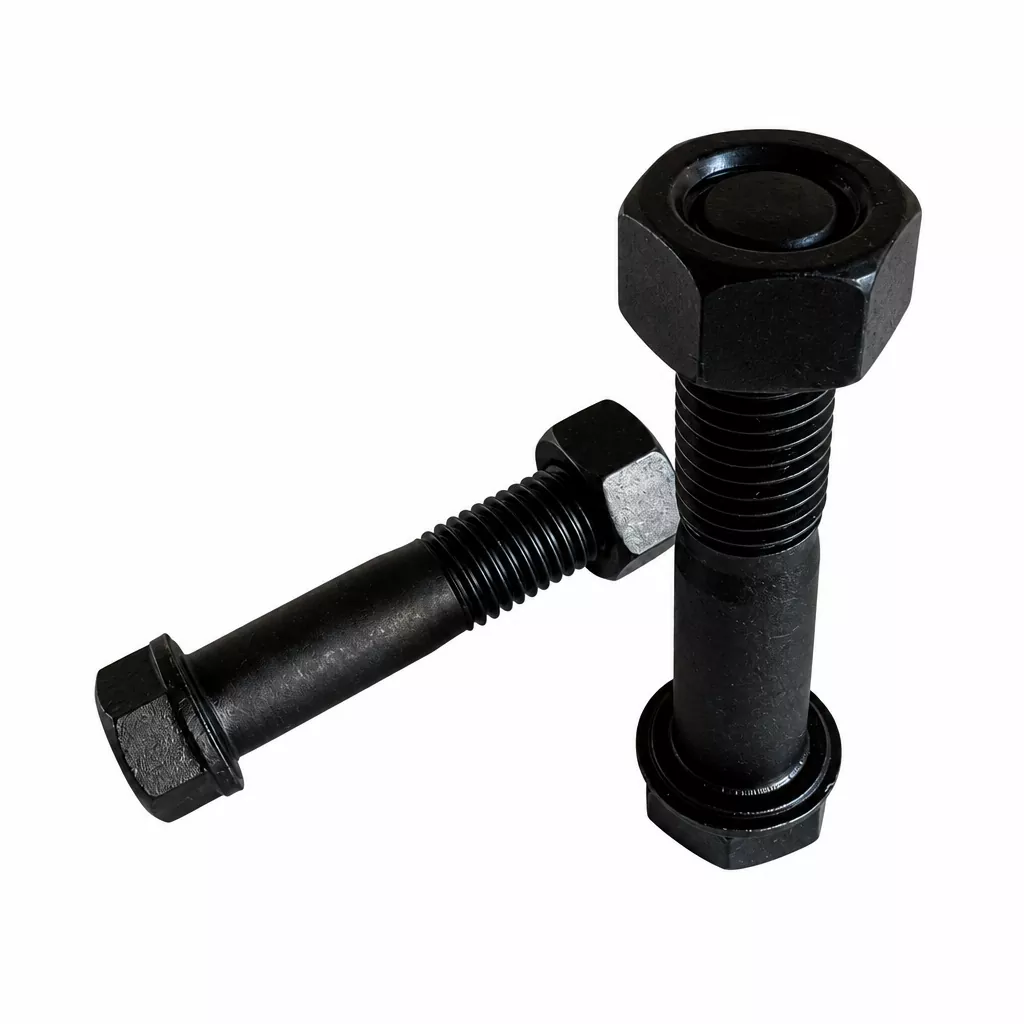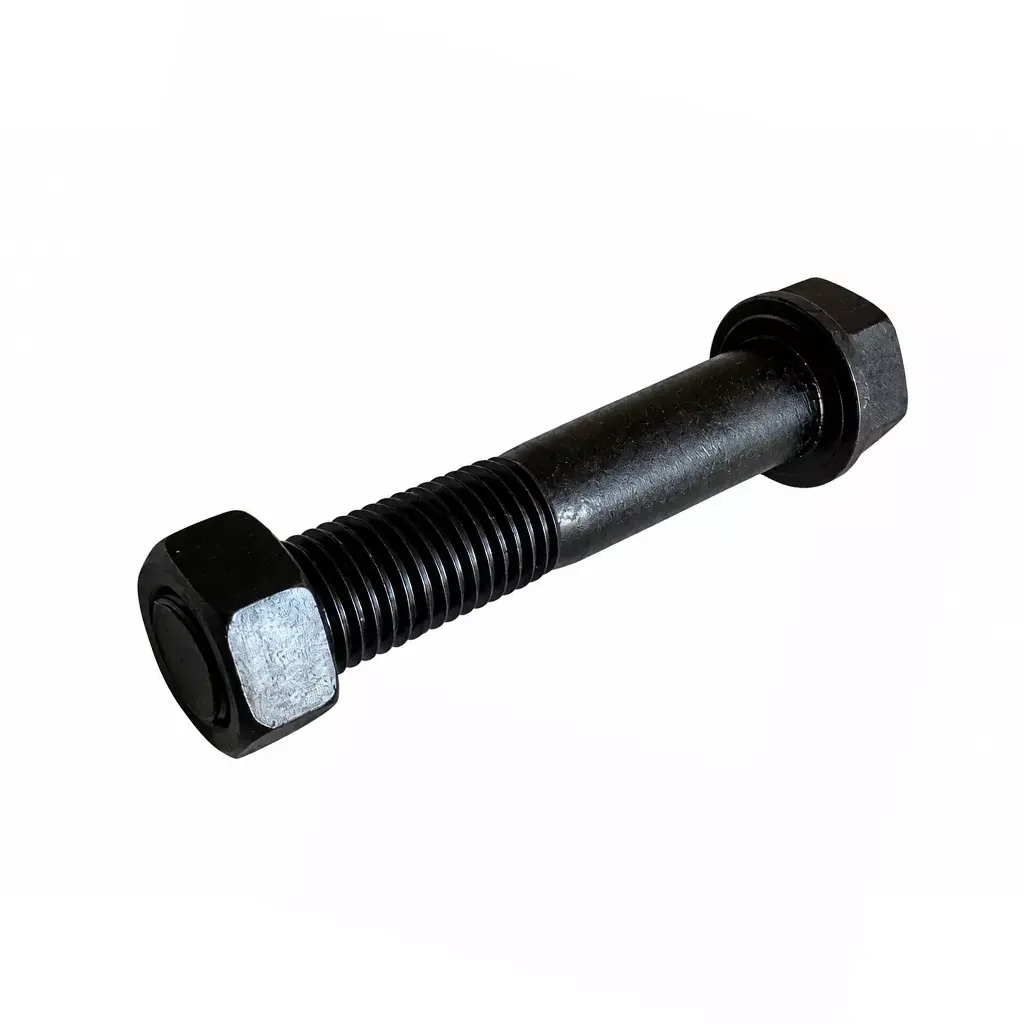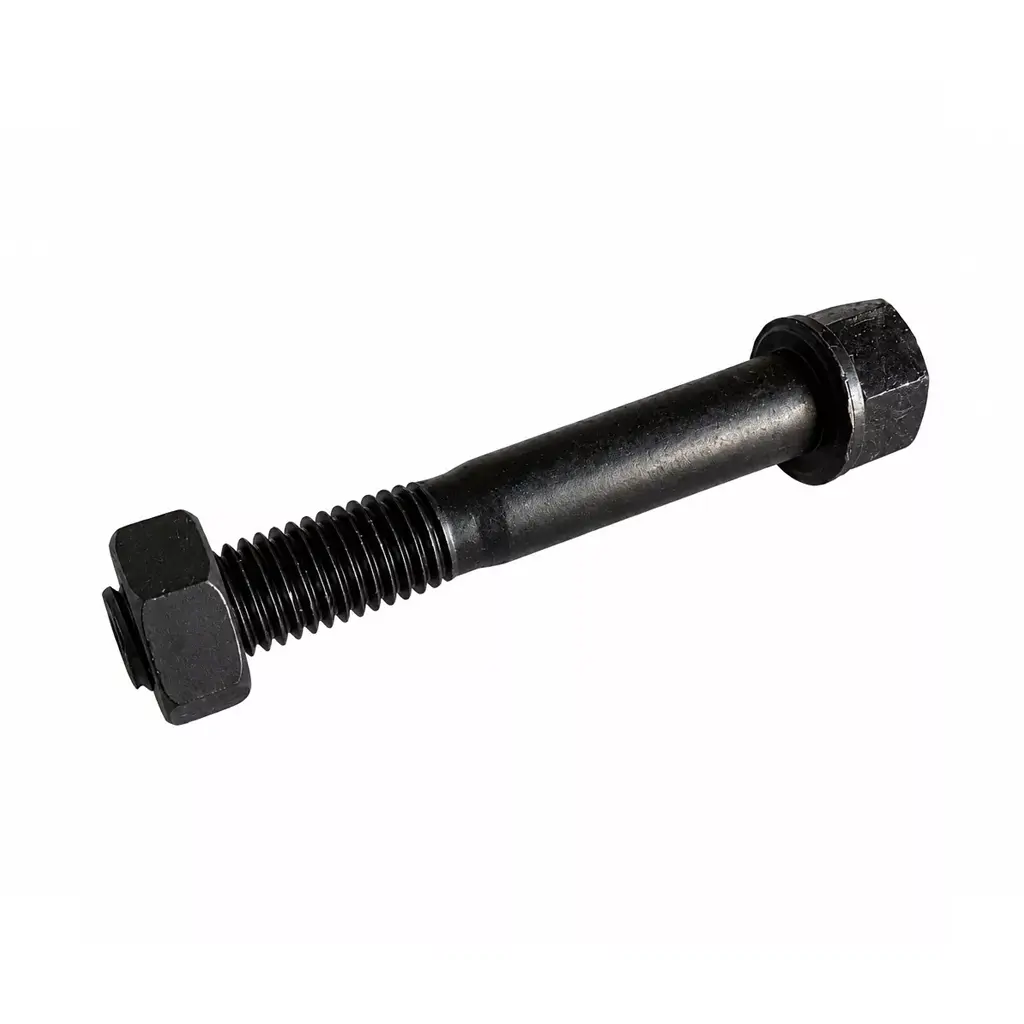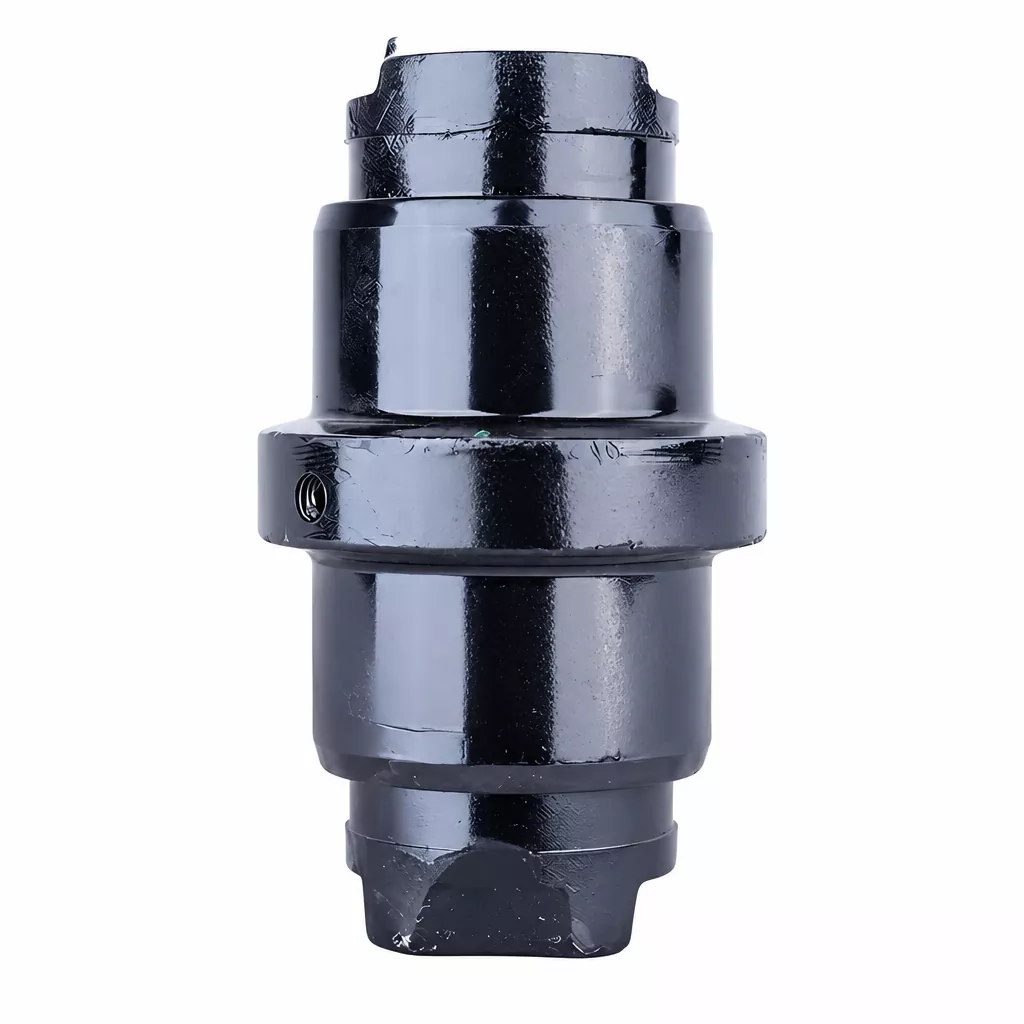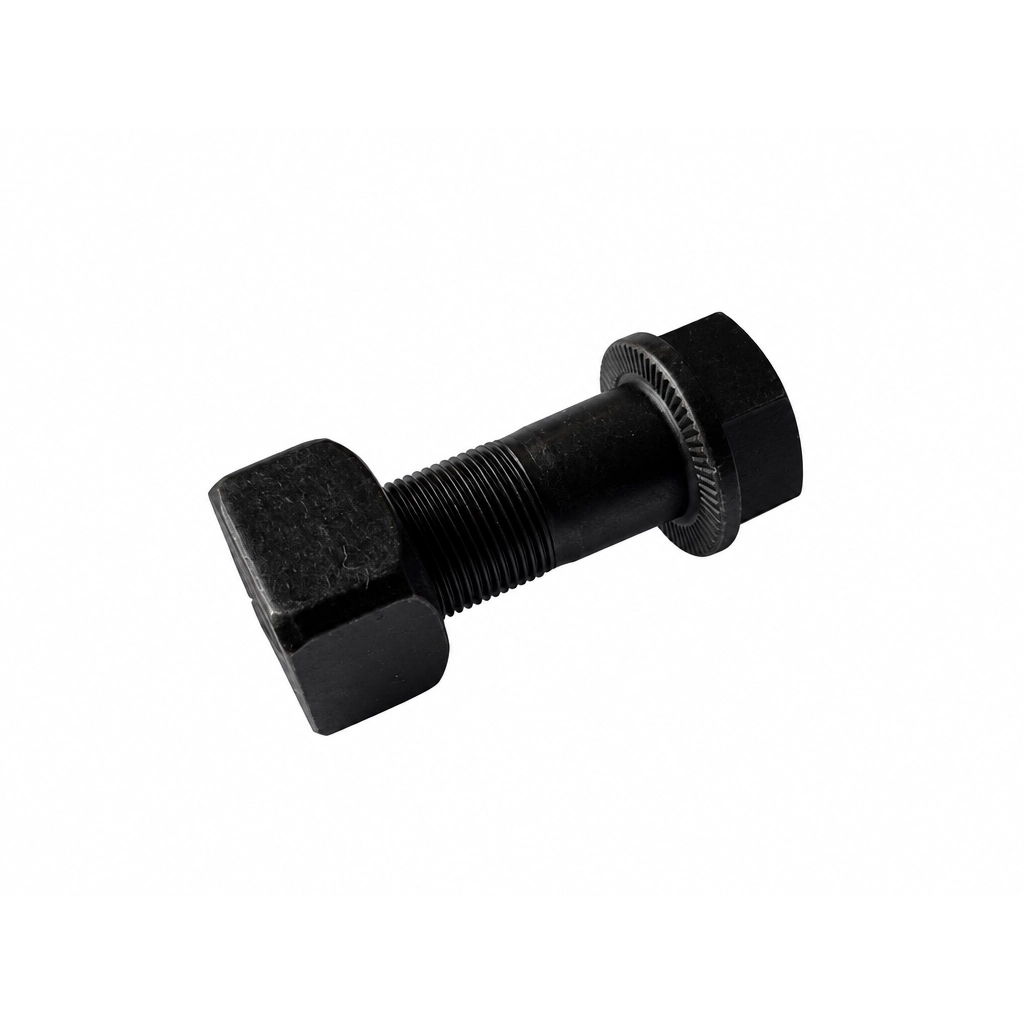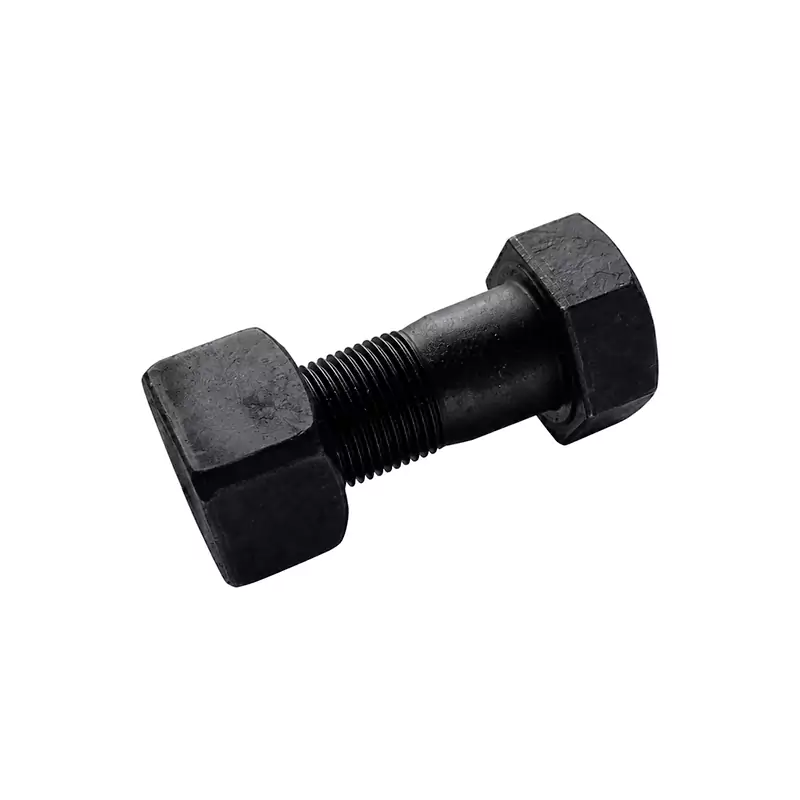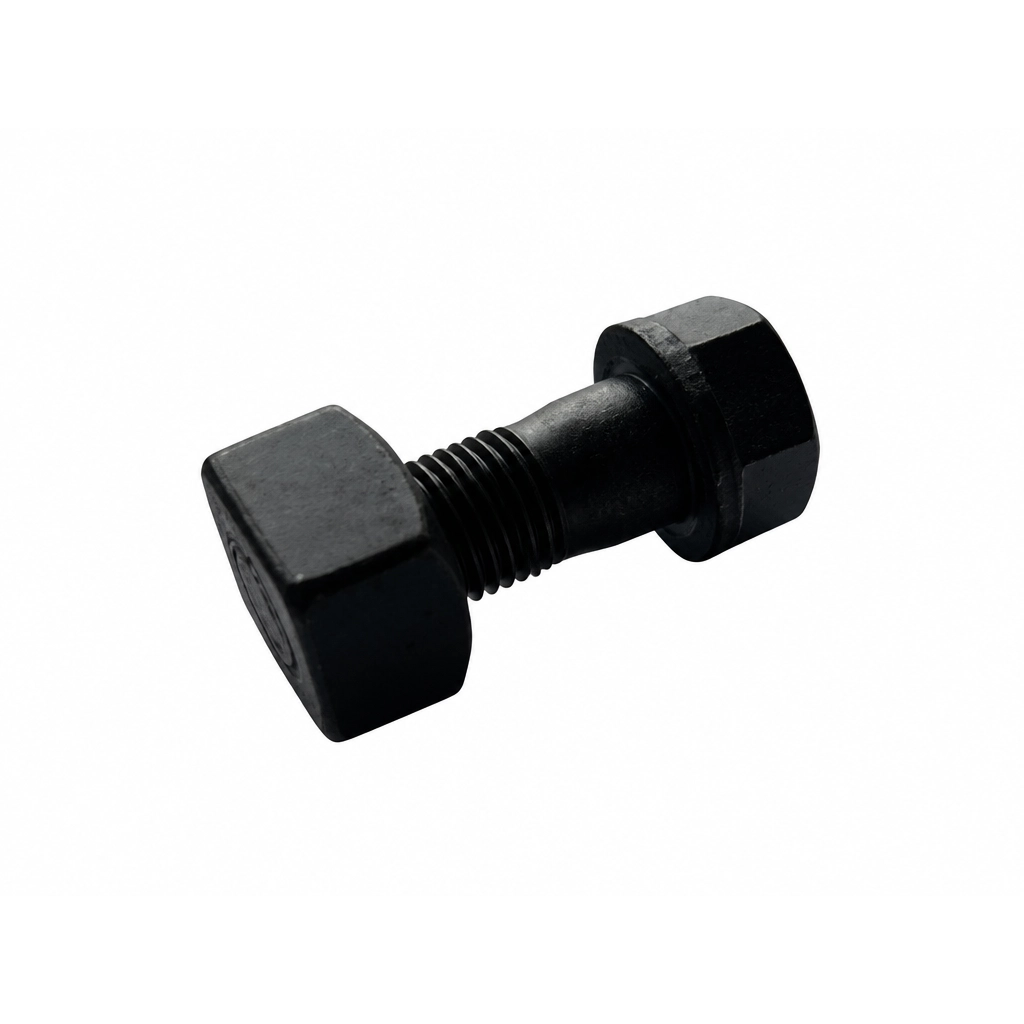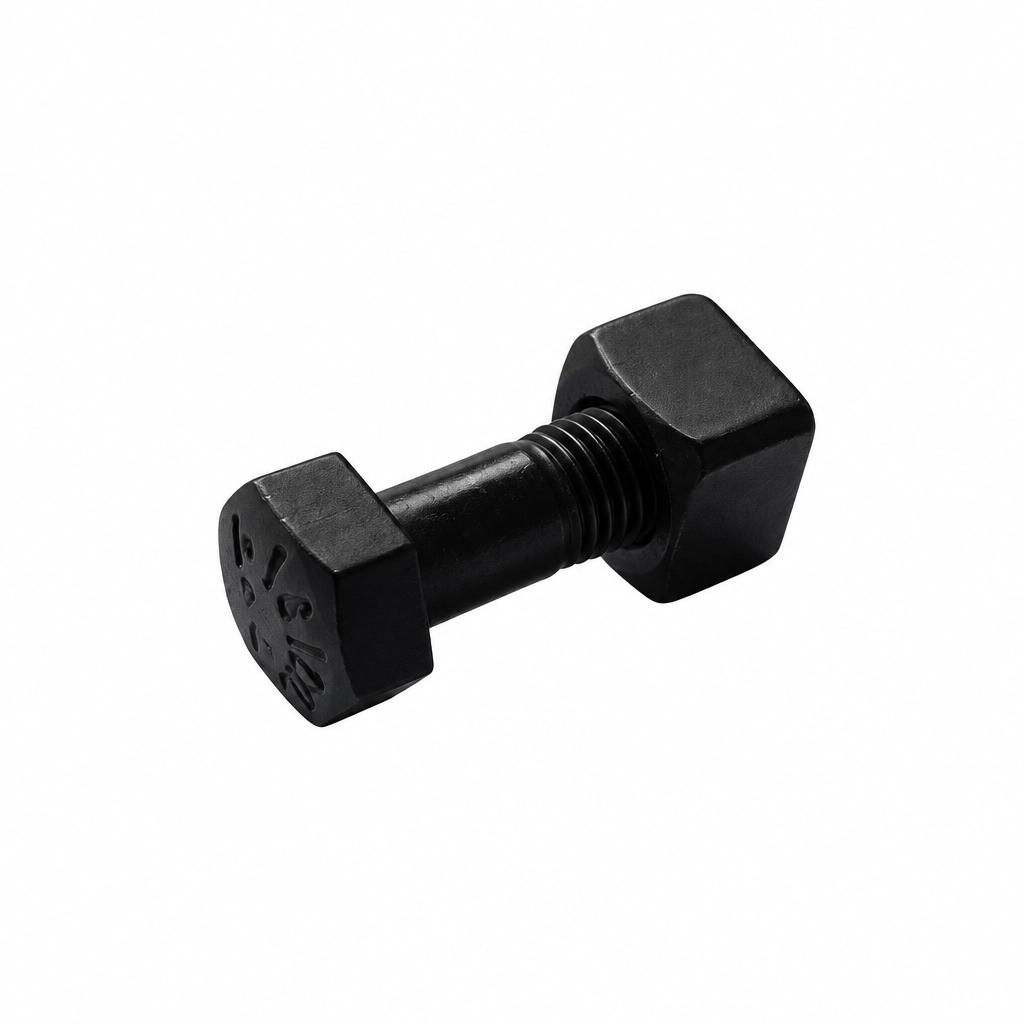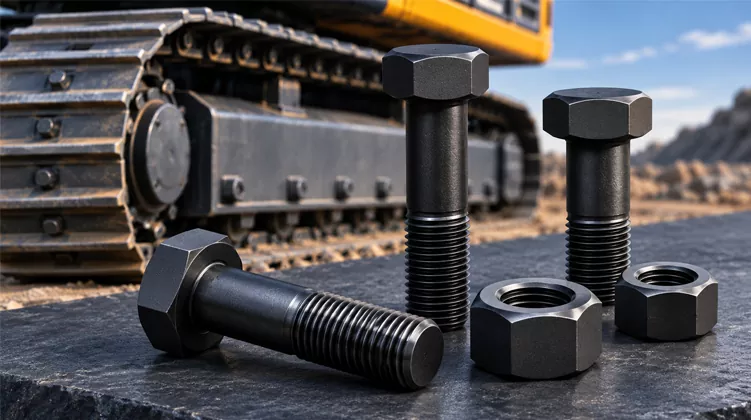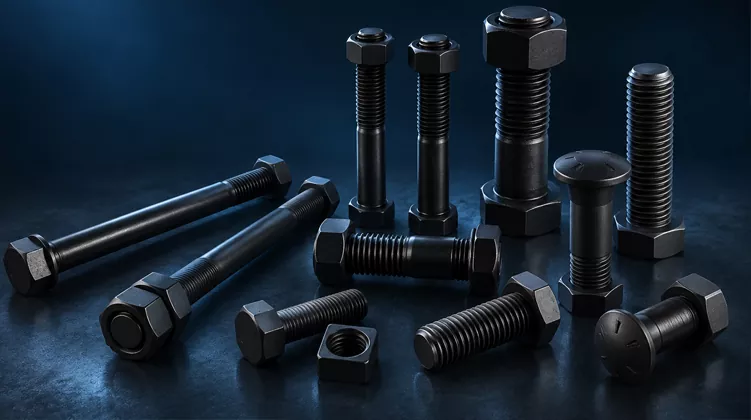
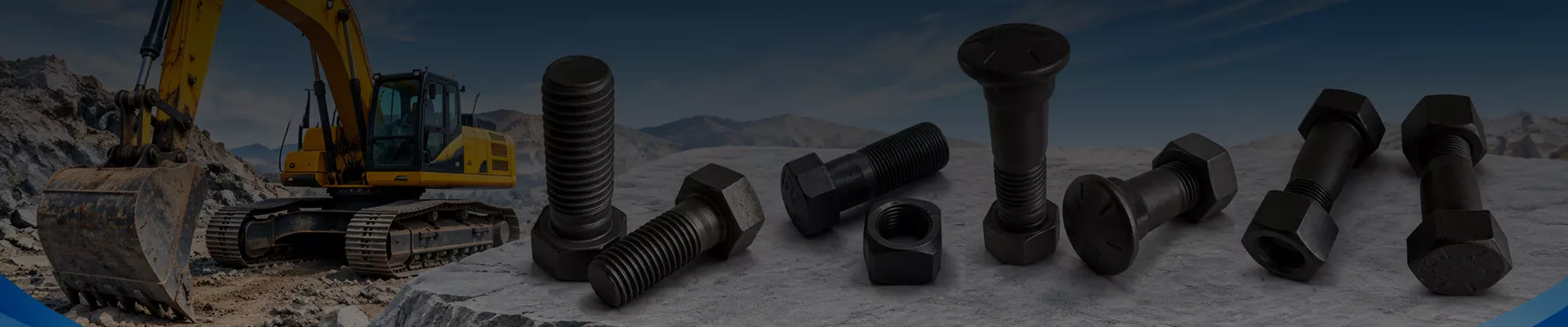
Bucket teeth are exposed to continuous abrasion, impact, and resistance from soil, rock, and other excavated materials. Their fastening components must keep the tooth securely attached to the adapter while allowing maintenance teams to replace worn parts efficiently. At JBXF Machinery, we supply fastening solutions for excavator Bucket Tooth Bolt and Nut, serving construction machinery parts distributors, equipment maintenance companies, and industrial buyers.
As a China-based fastener Manufacturer and Supplier, we understand that selecting the correct replacement hardware involves more than matching a bolt by appearance. Buyers need to consider tooth and adapter compatibility, fastening geometry, installation access, working conditions, and replacement frequency. We review these requirements with customers to help identify a suitable product configuration before production and delivery.
Excavator bucket teeth are commonly installed on adapters attached to the bucket edge. The fastening arrangement connects the tooth to its supporting structure and helps prevent unintended separation during digging. Different tooth systems may use different bolt positions, head shapes, thread specifications, and retaining arrangements.
When sourcing Bucket Tooth Bolt and Nut products, we recommend identifying the tooth system and adapter design first. A bolt that appears similar to the original may still have an incompatible head profile, length, thread, or seating arrangement. These differences can affect installation and the contact between the fastening component and the surrounding parts.
The bolt head and its contact surface must suit the design of the tooth and adapter. Incorrect seating may lead to uneven contact, interference, or difficulty during installation. Buyers should check the original component profile and the available clearance around the mounting position before confirming a replacement.
For non-standard requirements, we can review technical drawings, part references, or physical samples. Providing photographs of both the tooth and adapter can also help us understand the assembly, although dimensional confirmation is still necessary for accurate manufacturing.
Bucket teeth work in direct contact with excavated materials. Depending on the jobsite, they may encounter loose soil, compacted earth, gravel, blasted rock, or mixed materials. These conditions influence tooth wear and can also expose the fastening area to abrasion, impact, and contamination.
In highly abrasive applications, maintenance teams should inspect the fastening components whenever the teeth are checked or replaced. Packed soil, damaged seating areas, and worn contact surfaces may make removal or reinstallation more difficult. Cleaning the assembly before installation helps the maintenance team examine the actual condition of the mounting area.
During digging, the tooth assembly experiences repeated forces as it penetrates and moves through the material. The fastening components must be selected according to the original equipment design and specified service requirements. An unsuitable replacement may not provide the intended fit or retention performance.
We advise buyers not to select a replacement solely by choosing a visually similar bolt with a higher assumed strength. Material grade, dimensions, thread form, and fastening requirements should be confirmed against the equipment specification. The correct combination is more important than an isolated specification that does not match the assembly.
Bucket tooth assemblies are often located along the front edge of the bucket, where access may be restricted by the tooth profile, adapter shape, and surrounding components. The position and design of the fastening hardware can affect the tools and working space available to maintenance personnel.
When reviewing a replacement inquiry, we recommend checking whether the original bolt can be installed and removed with the tools available at the jobsite. Buyers should also consider whether the fastener requires a particular access direction or installation sequence. These practical details can make a difference during routine maintenance, especially when multiple teeth need replacement.
Tooth replacement is a regular maintenance activity for excavators working in abrasive environments. If the fastening hardware is difficult to identify or does not match the original assembly, maintenance teams may lose time checking alternatives or modifying components. Confirming the correct part reference before purchasing helps reduce these avoidable delays.
For fleet operators and parts distributors, we recommend keeping records of the tooth model, adapter reference, bolt dimensions, and approved replacement part number. This information makes repeat purchasing more consistent and helps distinguish between different bucket configurations.
Before installing replacement hardware, maintenance personnel should inspect the threads, bolt head, nut, and corresponding contact surfaces. Damaged threads, deformation, corrosion, or abnormal wear may affect the fastening result. The tooth and adapter should also be checked for cracks, deformation, or damage around the mounting area.
We recommend replacing damaged fastening components rather than reusing hardware with uncertain service condition. Installation should follow the equipment manufacturer's instructions, including the specified tightening method, torque requirements, and any required locking procedure. A general torque value should not replace the machine-specific service specification.
If a bolt repeatedly loosens, breaks, or becomes difficult to remove, replacing the component without investigating the cause may lead to recurring maintenance problems. Possible factors include incorrect part selection, damaged threads, unsuitable installation, worn mating surfaces, or abnormal operating conditions.
We encourage customers to provide information about the failure condition when requesting replacement parts. Details such as the machine model, working material, tooth type, and photographs of the damaged hardware can help us understand the application more accurately.
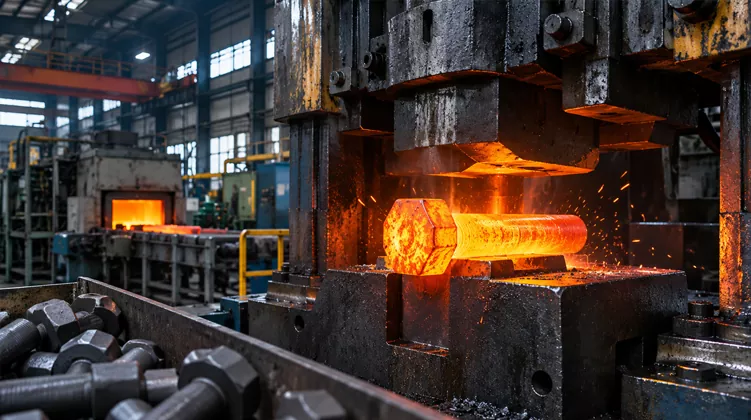
At JBXF Machinery, we organize production according to confirmed drawings, samples, and technical requirements. Depending on the agreed design, manufacturing considerations may include material selection, dimensional control, thread processing, bolt head geometry, and surface treatment.
For customers purchasing from a China Factory, clear technical information at the quotation stage helps establish a reliable basis for production. If the required part is a replacement for an existing tooth system, we recommend providing the original part number or a sample for comparison before manufacturing begins.
For this type of fastening component, dimensional accuracy is closely related to assembly compatibility. Depending on the confirmed specification, inspection may cover overall length, thread dimensions, head dimensions, seating geometry, and surface condition. Additional inspection or testing requirements should be agreed upon before order confirmation.
We do not assume that all bucket tooth fastening systems use the same material grade, strength class, or coating. These requirements depend on the equipment design and customer's application. Our approach is to confirm the relevant technical details first, then organize production and inspection around the approved requirements to support consistent Quality.
We work with excavator parts distributors, machinery repair companies, contractors, and equipment-related businesses that require replacement fastening components. For regular purchasing, we recommend confirming the commonly used tooth systems and maintaining an approved reference for each configuration.
For customers managing several equipment models, separating products by tooth type and adapter reference can reduce the risk of mixing incompatible parts in inventory. It also helps purchasing teams communicate more clearly when placing repeat orders.
We can review custom inquiries based on drawings, samples, or existing part references. Before confirming an order, we discuss the required dimensions, material, surface treatment, quantity, packaging, and delivery expectations. Any special production or inspection requirements should be included in the agreed specification.
As a Durable fastening parts Supplier, we focus on understanding the actual application rather than offering a generic replacement based only on appearance. This helps buyers make more informed purchasing decisions and establish a clearer technical reference for future orders.
Provide the excavator model, tooth and adapter references, original part number, or a technical drawing. If these details are unavailable, send clear photographs and measurements of the existing bolt and mounting position. We recommend checking the complete tooth assembly rather than selecting a replacement by appearance alone.
We can review different configurations according to customer drawings, samples, and confirmed technical requirements. The available manufacturing arrangement depends on the product design, material requirements, production feasibility, and order quantity. Please send the relevant specifications for evaluation.
Possible causes include incorrect hardware, damaged threads, worn contact surfaces, improper installation, corrosion, or operating conditions that differ from the original design assumptions. The tooth, adapter, bolt, and nut should be inspected together to identify the underlying issue before replacement.
The decision depends on the condition of the existing hardware and the equipment manufacturer's maintenance instructions. If the bolt or nut shows thread damage, deformation, corrosion, or other signs of deterioration, replacement is generally advisable. Reusing hardware with uncertain condition may affect the reliability of the new assembly.
Please provide the tooth and adapter model, part number or drawing, required quantity, material and surface-treatment requirements if specified, and destination country. Photographs and physical samples can also help us identify the requested configuration. We will review the information before confirming the quotation details.
Choosing suitable bucket tooth fastening hardware requires accurate matching with the tooth and adapter system, as well as consideration of the machine's working conditions and maintenance requirements. At JBXF Machinery, we work with buyers to review drawings, samples, part references, and order specifications before confirming production.
Contact us with your equipment model, tooth type, technical drawing, or replacement sample. Our team will review your requirements and discuss the appropriate product configuration, order quantity, and delivery arrangement. Whether you are a distributor, repair contractor, or equipment manufacturer, we aim to make your sourcing process clearer and more efficient.