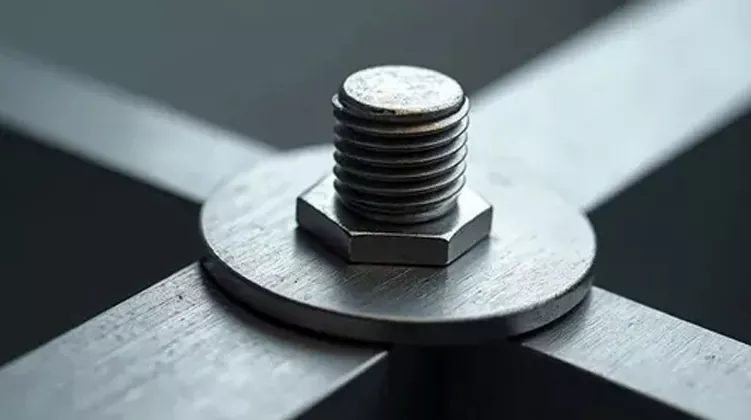
For construction machinery fasteners, manufacturing quality begins long before a finished bolt or nut is packed for shipment. Material selection, forming, machining, heat treatment and inspection all influence how a fastener fits and performs in demanding equipment applications.
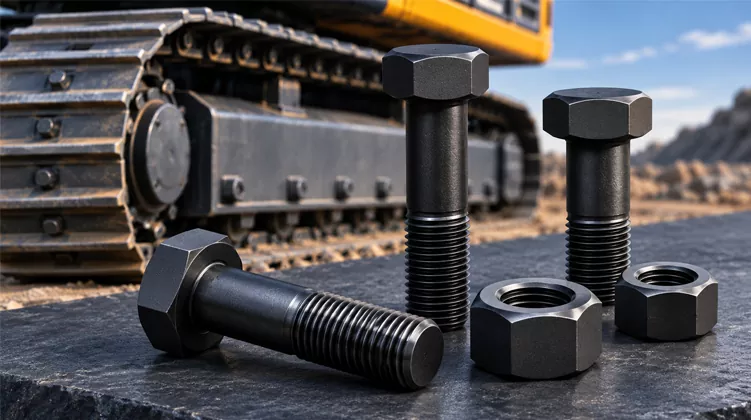
Quanzhou Yangxin Machinery Co., Ltd., operating under the JBXF brand, focuses on high-strength bolts and nuts used in excavators, bulldozers and other construction machinery. The company's profile describes production equipment and processes covering forging, forming, heat treatment and precision machining, supported by standardized quality control.
1. Forming the Foundation: Forging and Shaping
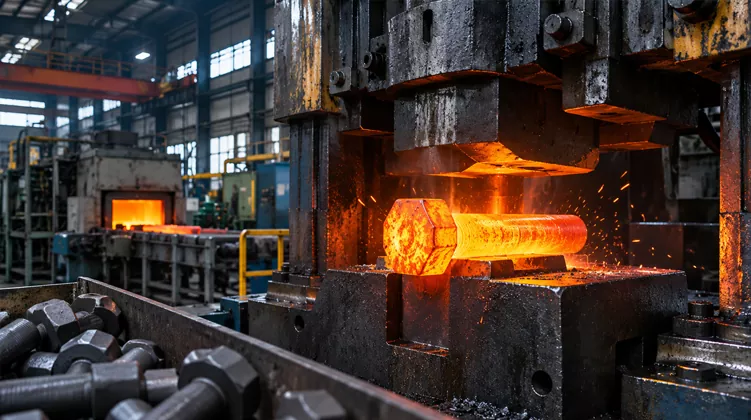
Forging and forming processes shape steel into the required basic geometry. Depending on the product, these operations help establish the head and shank profile before subsequent machining or finishing steps. Dimensional consistency at this stage can reduce problems later in production.
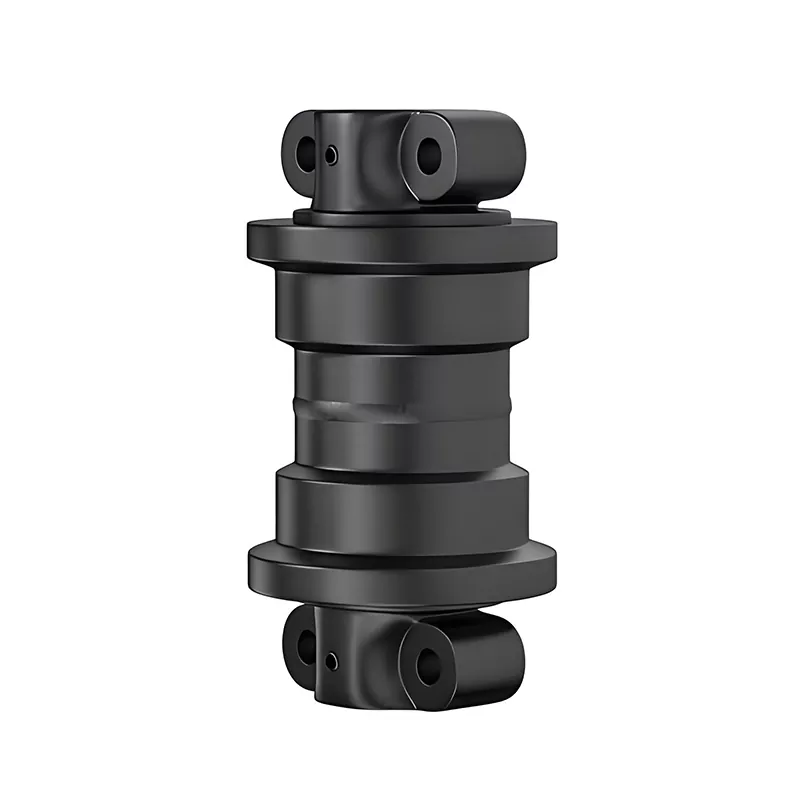
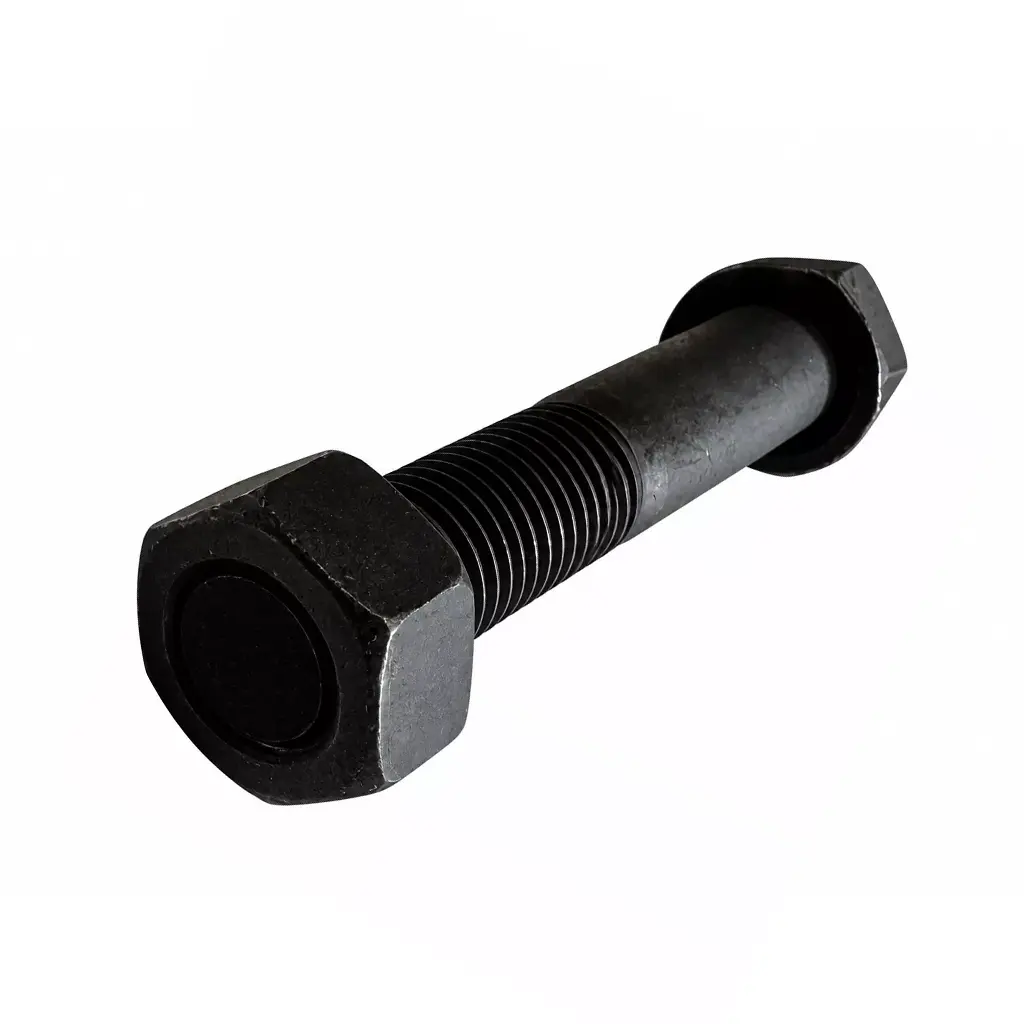
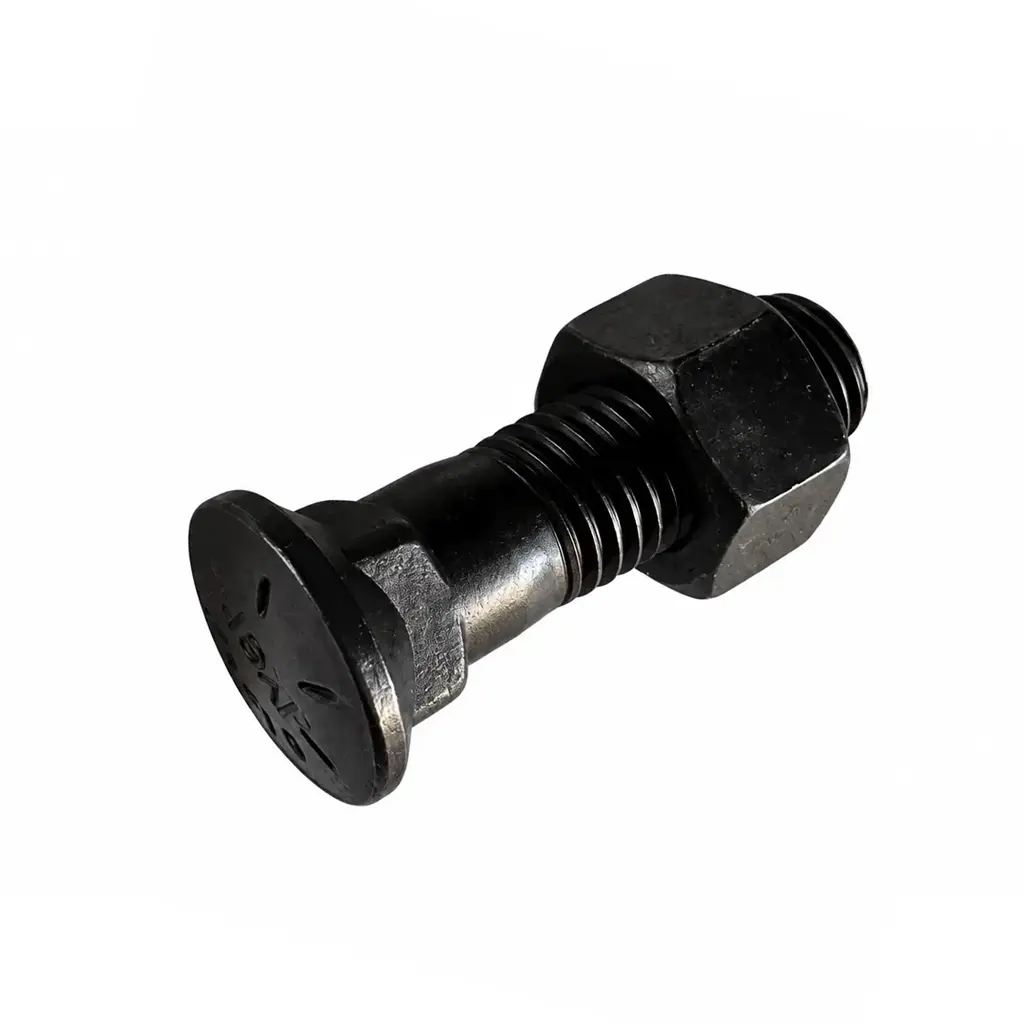
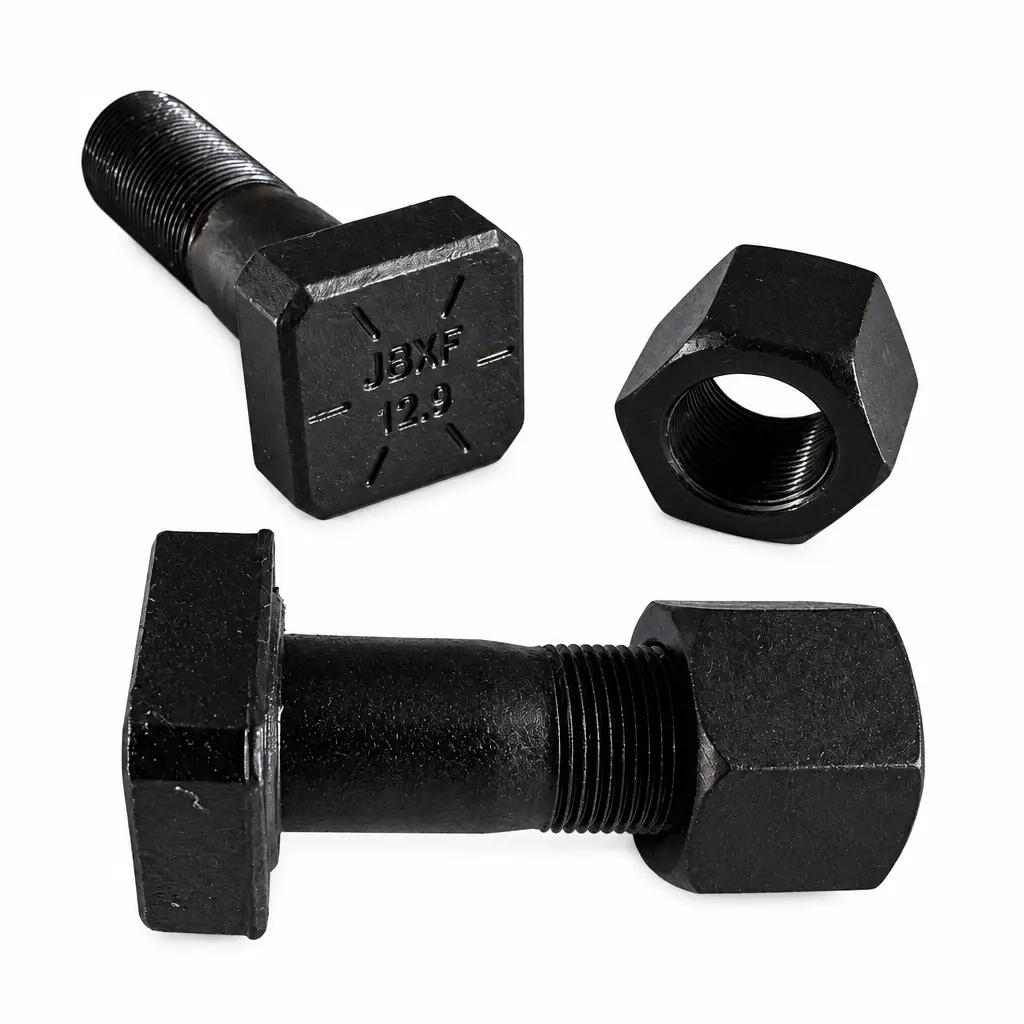
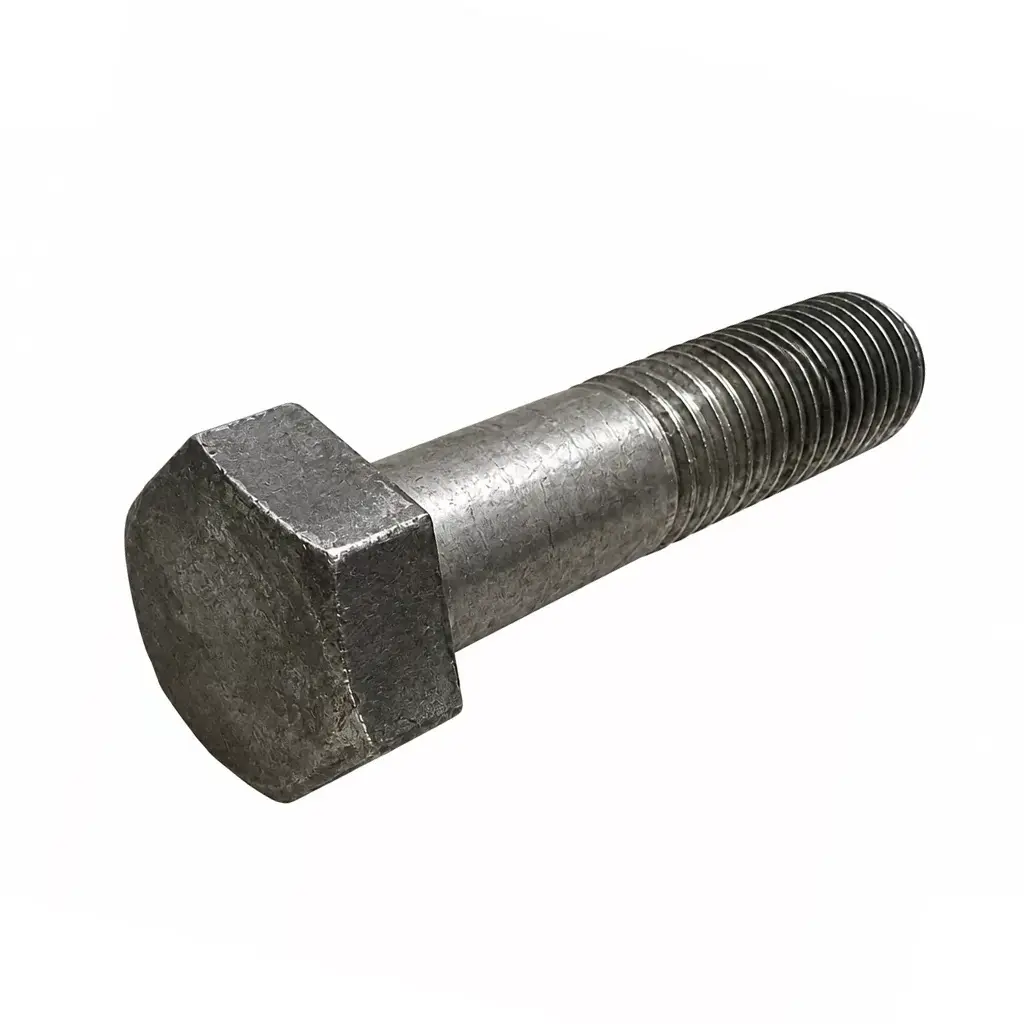
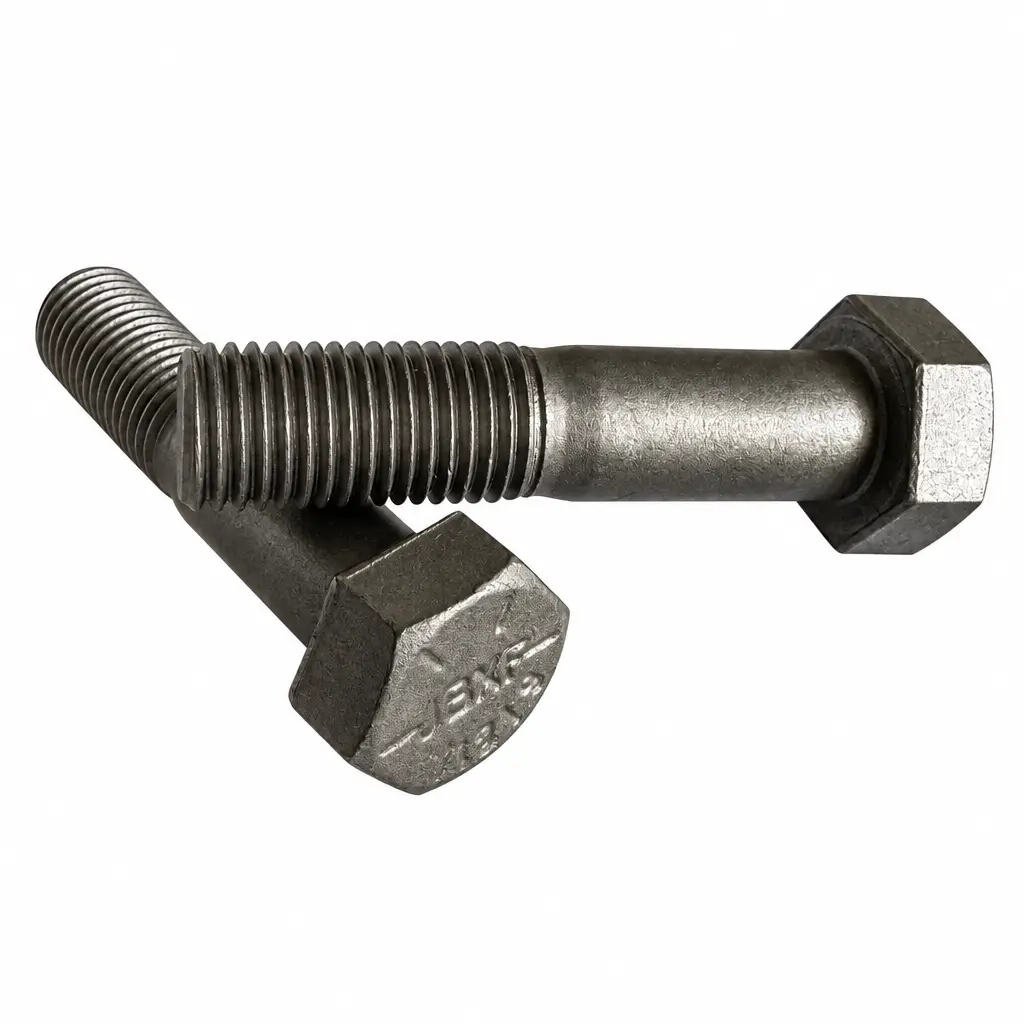
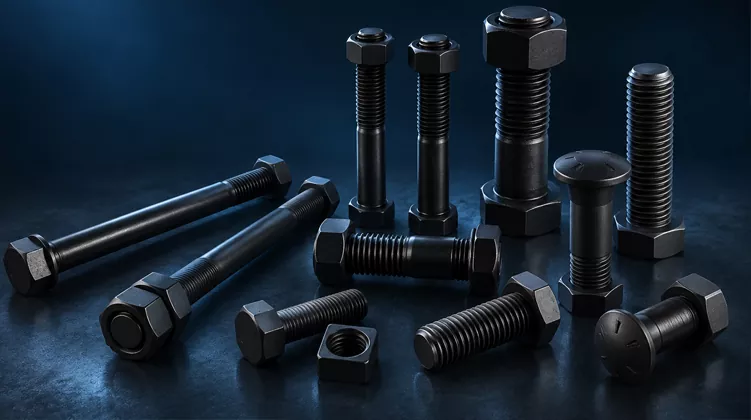
For heavy-equipment fasteners such as track bolts, segment bolts, roller bolts and plow bolts, the required head geometry and dimensions vary according to the assembly. Reliable production begins with a clearly defined specification rather than assuming that all bolts share the same design.
2. Precision Machining and Dimensional Control
After forming, selected fasteners require additional machining to achieve specified dimensions and surface characteristics. Thread dimensions, shaft diameter, head height and seating surfaces must be consistent with the intended application.
JBXF's company information emphasizes ongoing equipment upgrades and process optimization. The objective is to improve machining accuracy, production efficiency and product consistency while responding to different customer requirements.
3. Why Heat Treatment Matters
Heat treatment is an important step in the production of many high-strength steel fasteners. When correctly specified and controlled, it helps establish mechanical properties such as strength and hardness. The required treatment depends on the material and the performance specification for the fastener.
An appropriate process is not simply about making a product as hard as possible. The final characteristics must suit the part's intended use, and the processing route should follow the applicable technical requirements.
4. Quality Inspection Throughout the Supply Process
Manufacturing equipment alone does not guarantee a suitable finished component. Dimensional checks, inspection procedures and clear production records help suppliers identify deviations and maintain consistency.
JBXF describes standardized production procedures and rigorous product quality inspection in its company profile, with the aim of meeting relevant OEM requirements. For a specific product, buyers should request the applicable inspection criteria or supporting documentation rather than assume that every item carries the same certification or test report.
5. Connecting Production and Customer Requirements
Different construction machinery models may require different bolt lengths, thread pitches, strength grades and mating nuts. JBXF's foreign trade team reviews customer drawings, product specifications and order details before confirmation, helping reduce misunderstandings between purchasing and production.
Looking for a construction machinery fastener supplier? Share your drawing, part number or specification with JBXF for a product review and quotation.
We use cookies to offer you a better browsing experience, analyze site traffic and personalize content. By using this site, you agree to our use of cookies. Privacy Policy