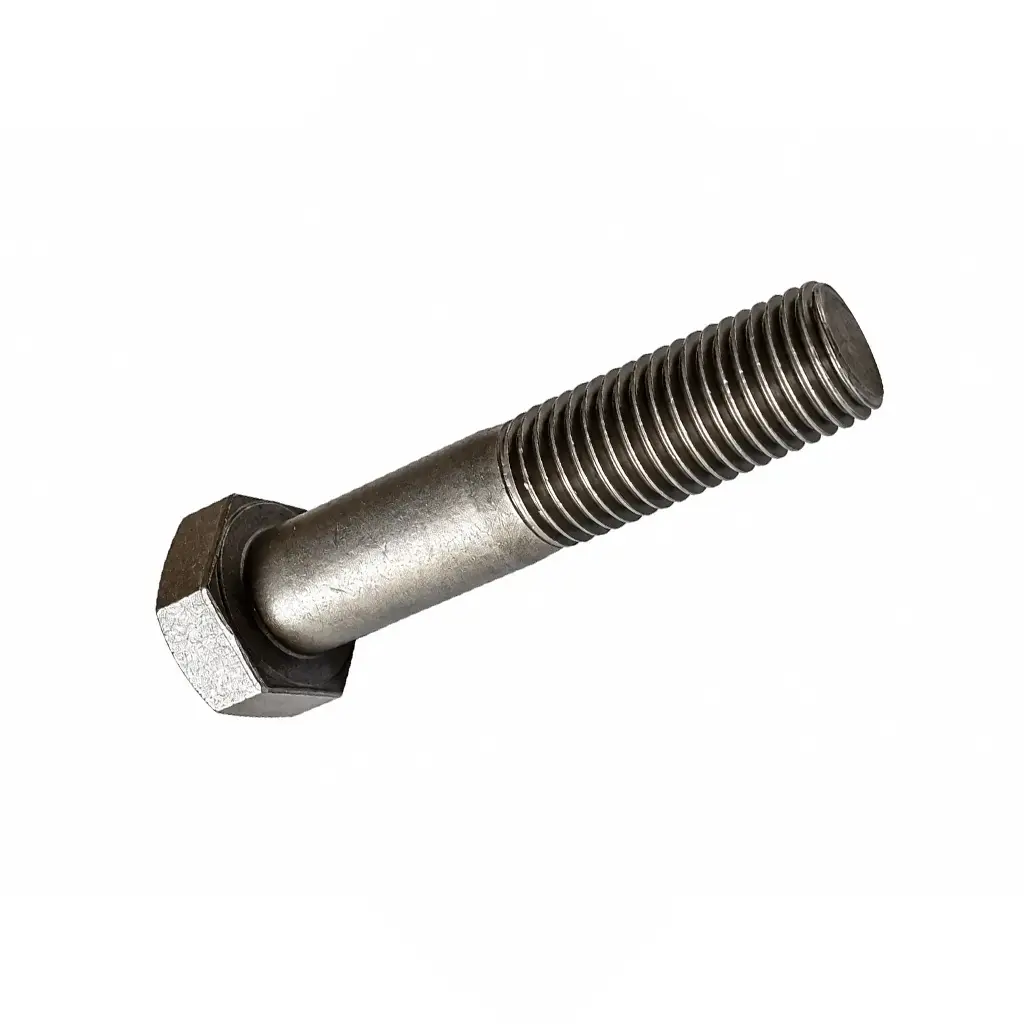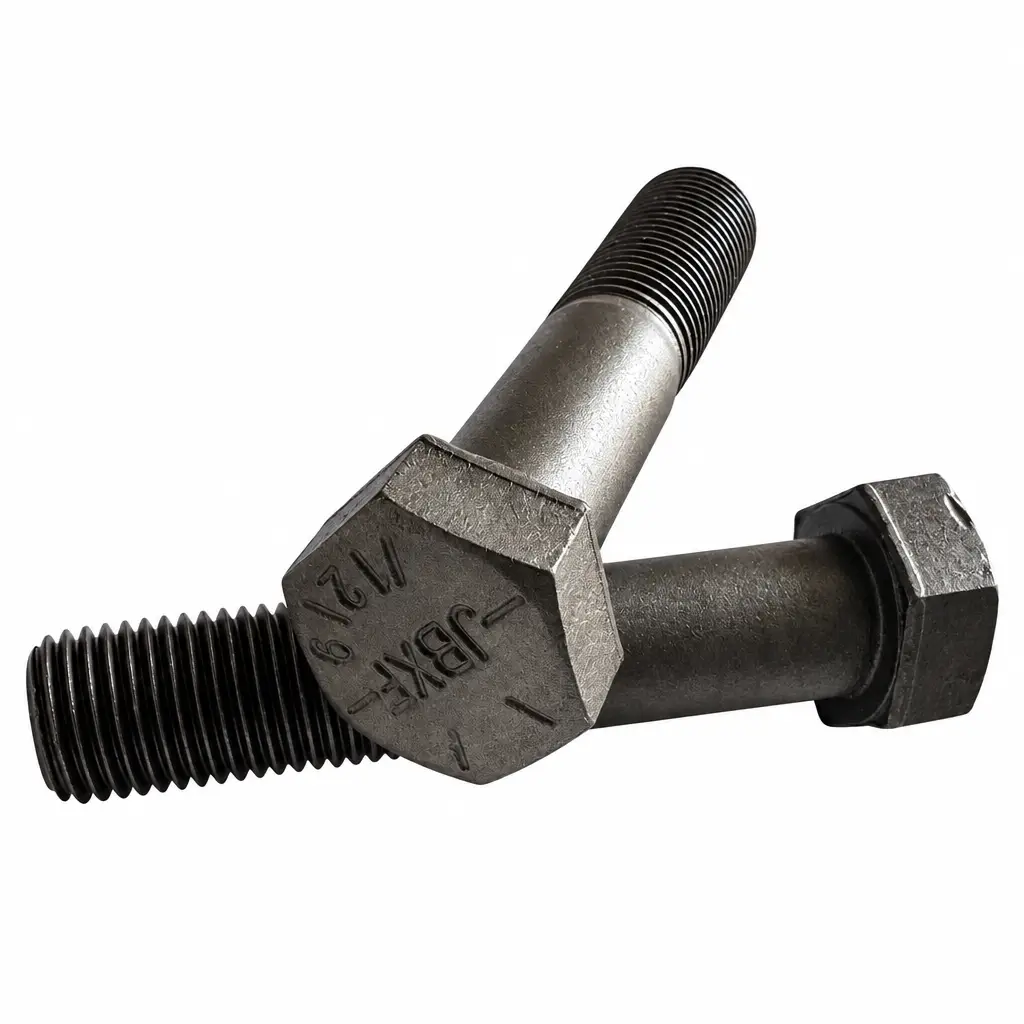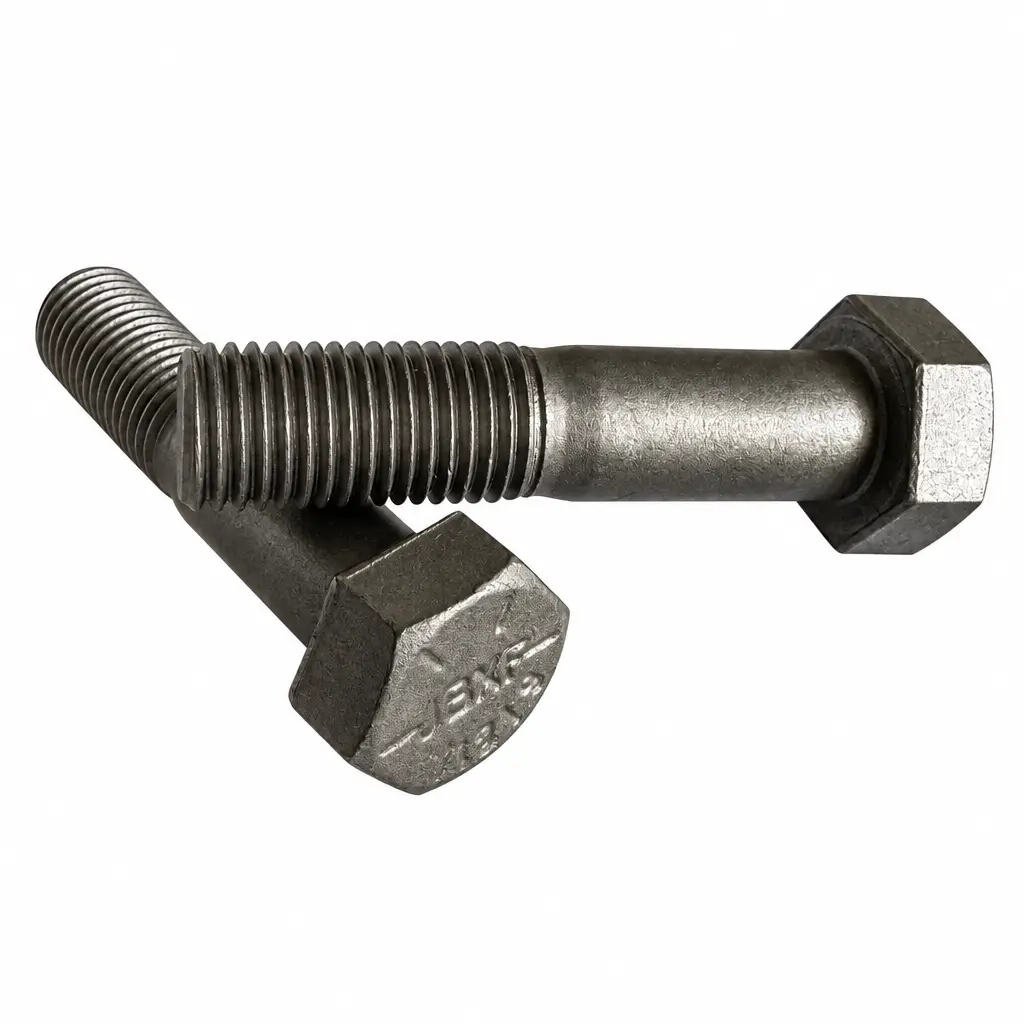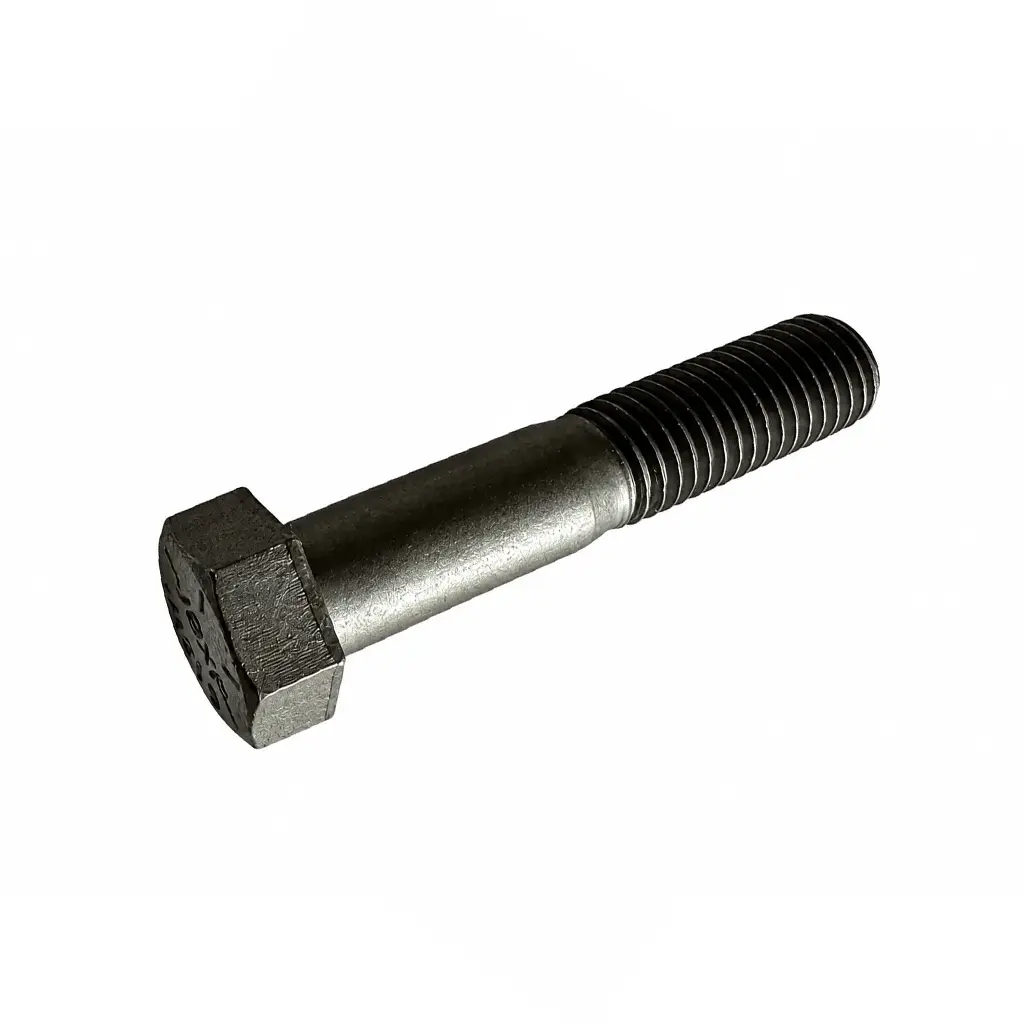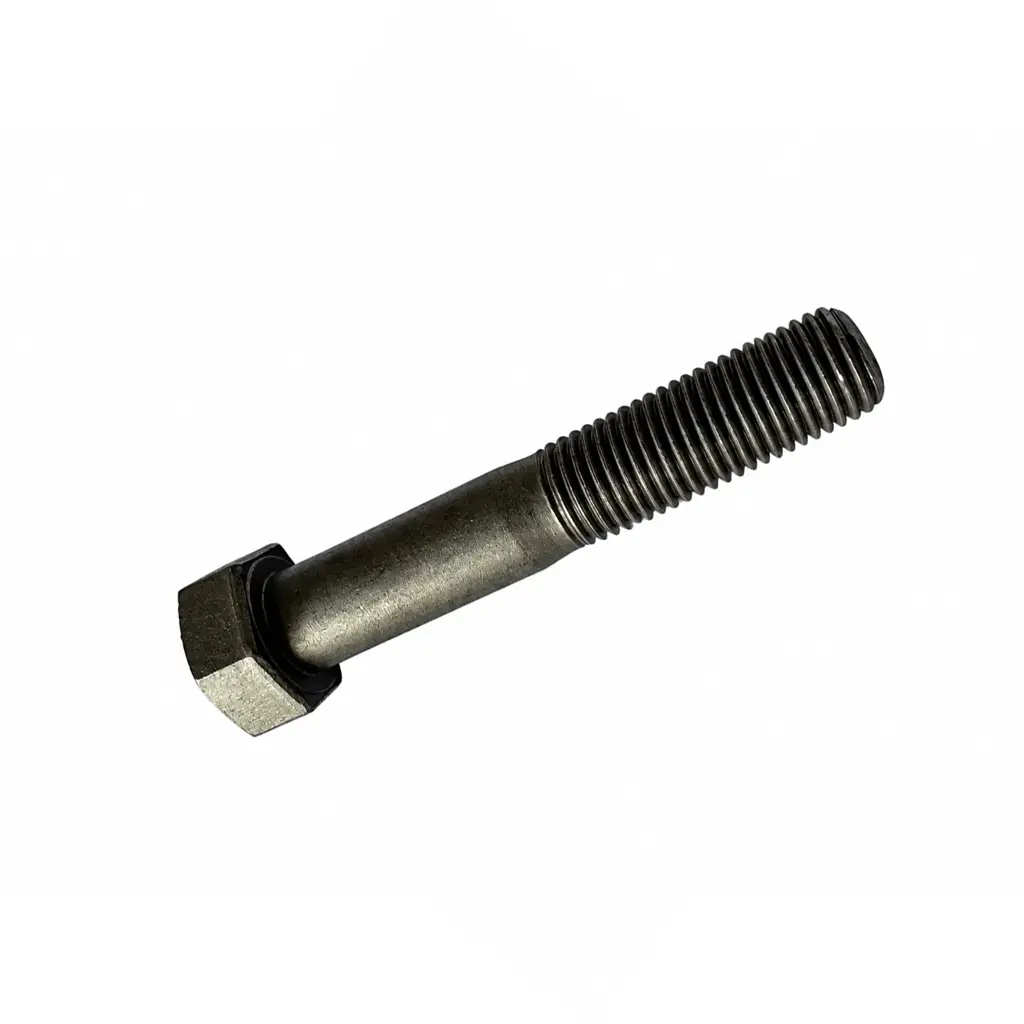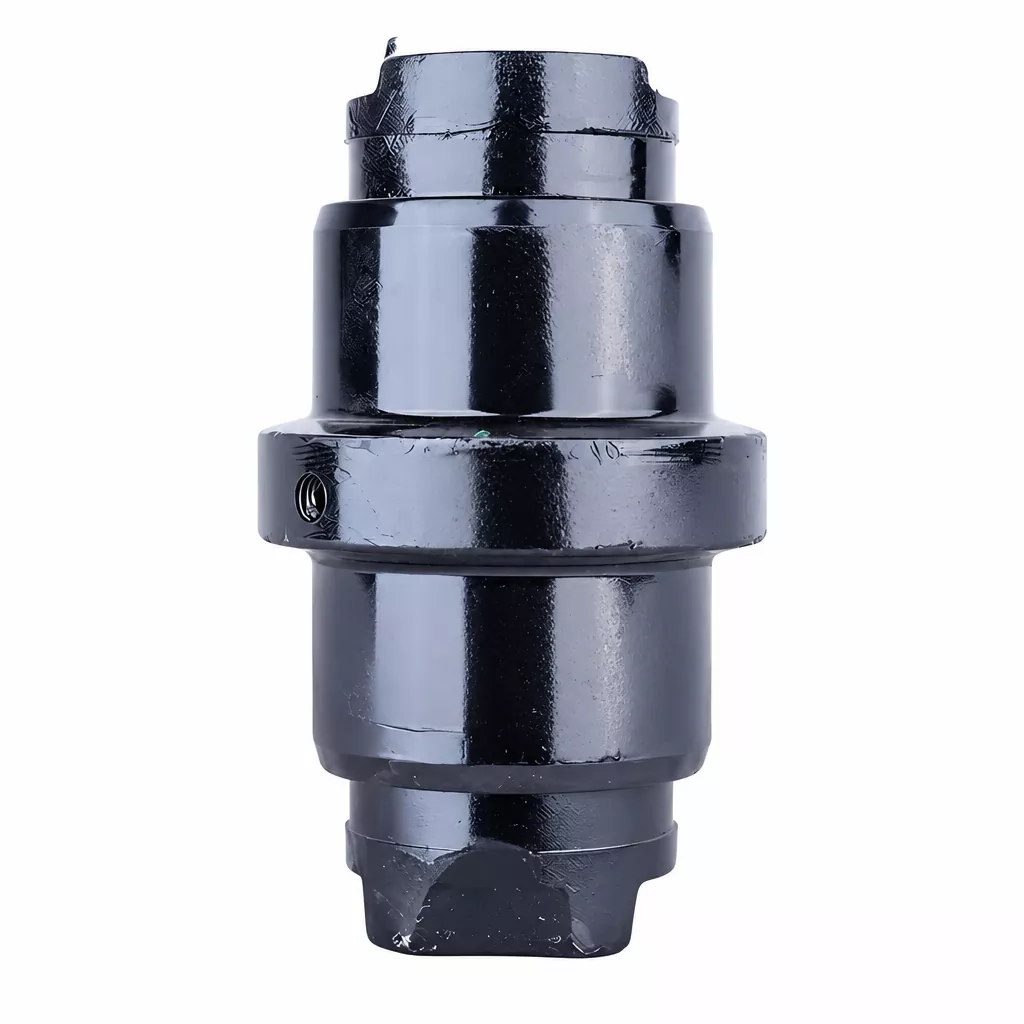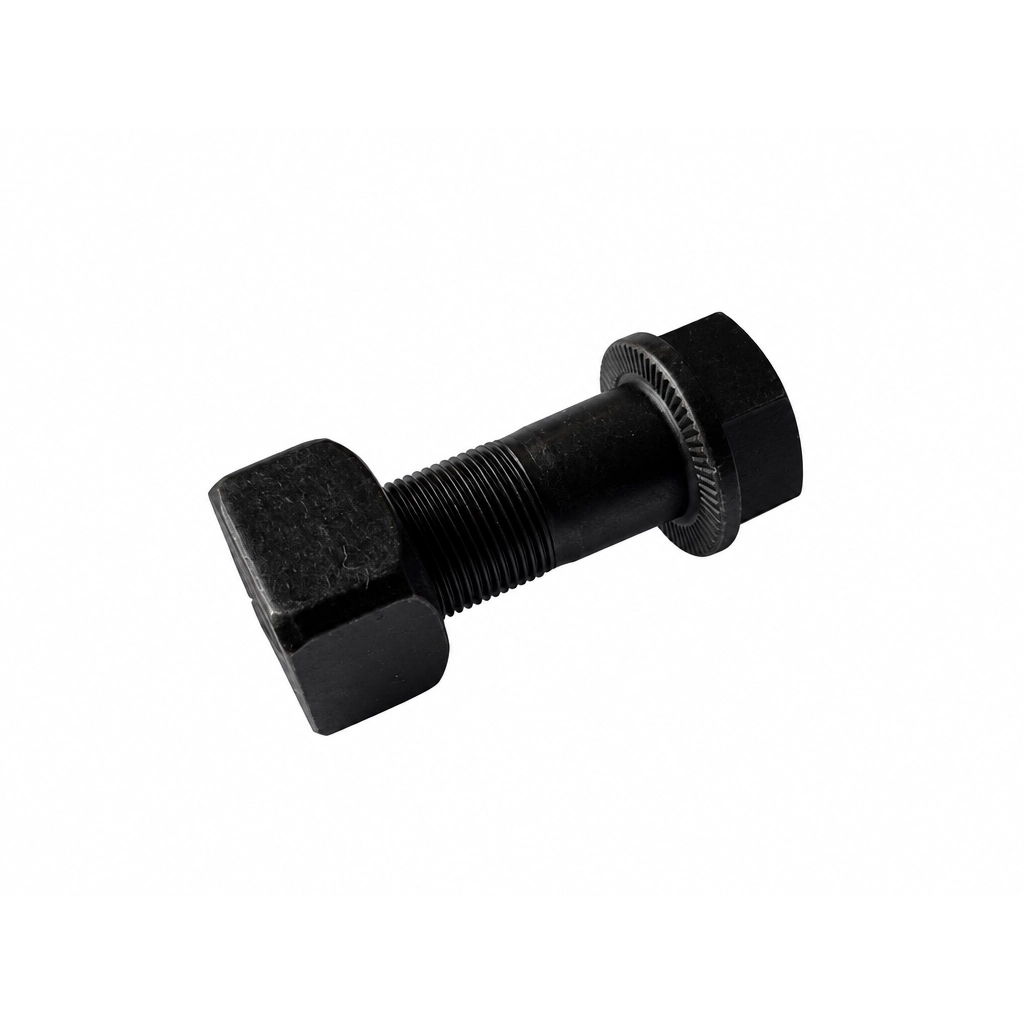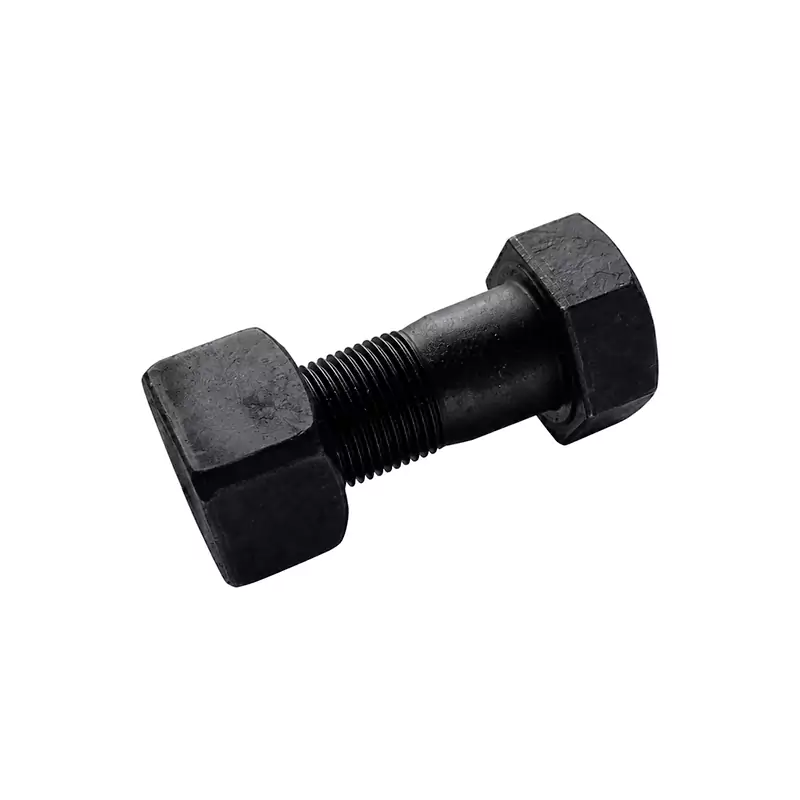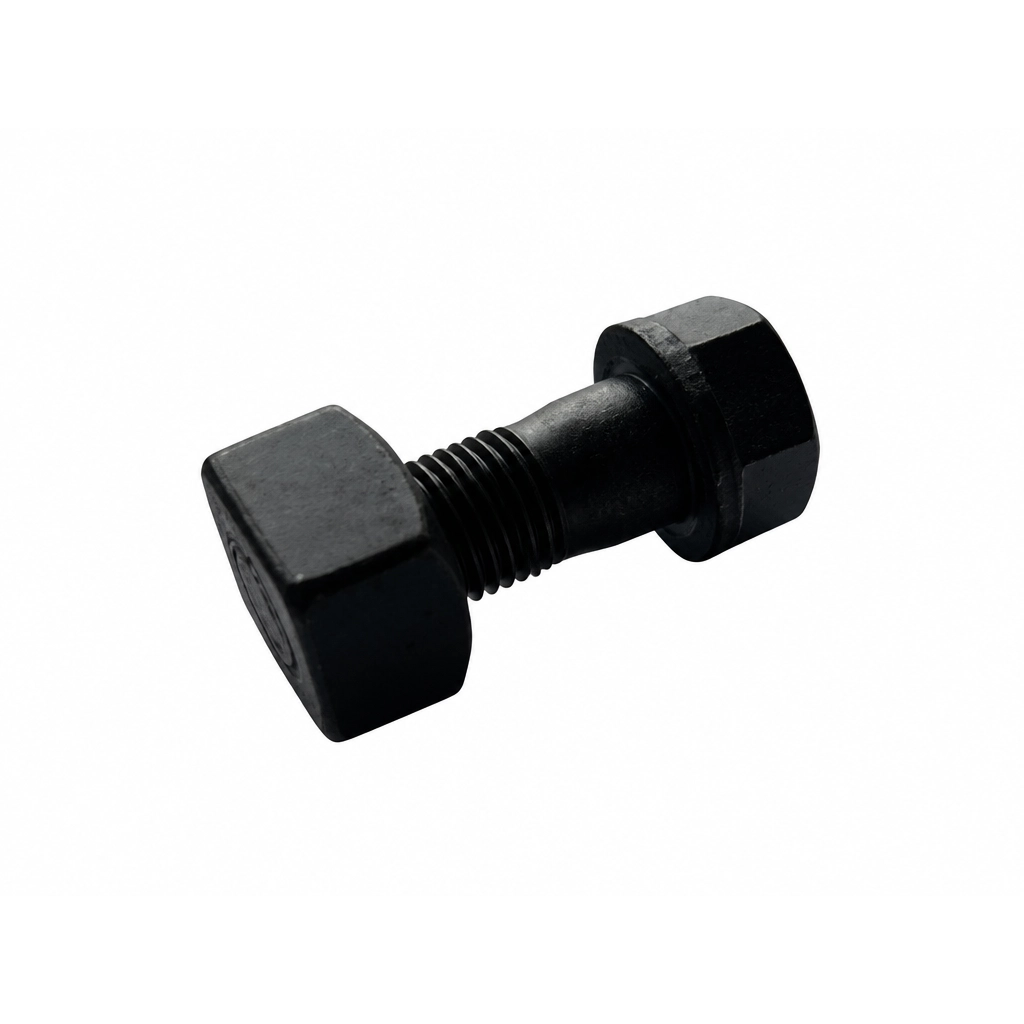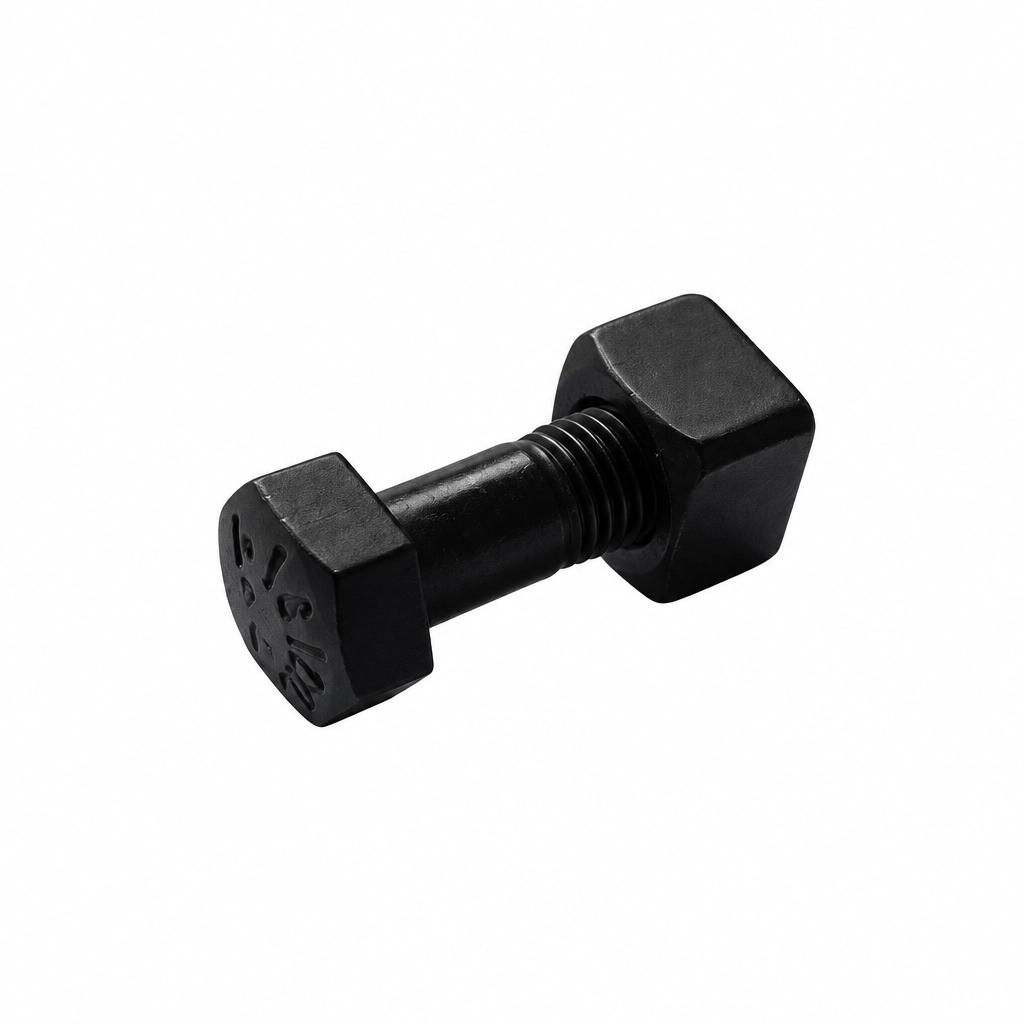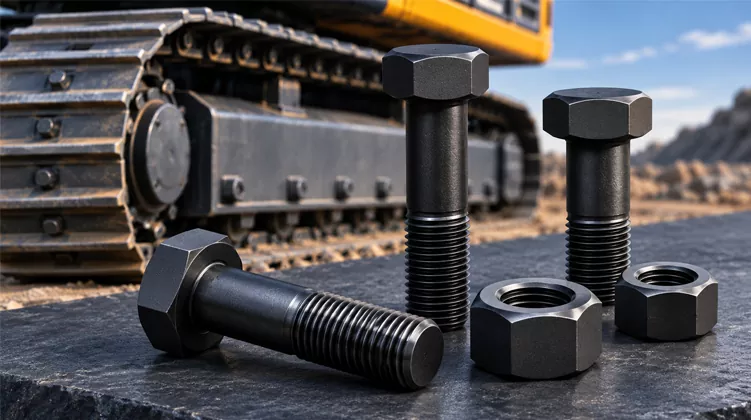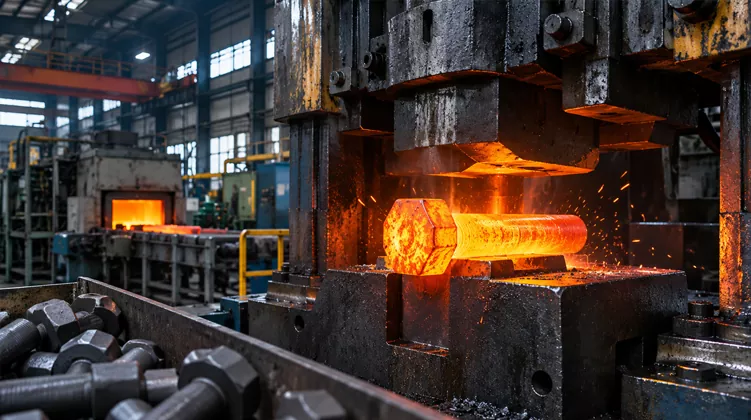
At JBXF Machinery, we supply railway fastening components for track systems, rolling contact assemblies, and related railway infrastructure projects. Roller-type fastening arrangements require careful coordination between rotating or rolling elements, supporting structures, and connecting hardware. The Roller Bolt and Nuts used in these assemblies must match the mechanical design, installation space, and operating conditions to support reliable equipment operation.
As a China-based railway fastener manufacturer and supplier, we understand that buyers need to consider more than basic dimensions when sourcing roller fastening components. Rolling movement, repeated mechanical contact, vibration, lubrication conditions, and maintenance accessibility can all influence the selection of connecting hardware. We work with customers to review drawings, component interfaces, and project specifications before confirming manufacturing requirements.
Roller assemblies are designed to support or guide movement within mechanical systems. Depending on the equipment structure, fastening components may secure roller supports, bearing housings, brackets, or other connecting parts. Their dimensions and installation positions must correspond to the intended mechanical arrangement.
We recommend evaluating the complete assembly rather than selecting bolts and nuts independently. The position of the roller, supporting bracket, bearing seat, and connected structure can affect bolt length, head clearance, thread engagement, and installation access. Correct coordination helps prevent interference between fasteners and moving components.
In equipment containing rotating or rolling elements, available clearance is an important design consideration. A bolt head or exposed threaded section that extends beyond the intended installation envelope may interfere with nearby components.
When reviewing customer drawings, we pay attention to installation depth, head geometry, thread position, and surrounding component clearance. This is particularly relevant for compact roller mechanisms where the fastening arrangement must fit within a limited space.
Roller equipment may experience repeated movement, mechanical vibration, and changing operating loads. These conditions can influence threaded connections, especially when fasteners are exposed to continuous cyclic loading.
We recommend selecting the bolt and nut combination according to the engineering design, required mechanical properties, and expected operating conditions. The appropriate tightening procedure and any specified locking method should also be confirmed before installation.
Thread engagement, nut compatibility, and tightening accuracy all contribute to the reliability of a bolted connection. Insufficient engagement or unsuitable thread tolerances can affect the intended clamping force.
Depending on the application, the engineering specification may require particular nut configurations or additional locking arrangements. We encourage customers to identify these requirements during the quotation stage instead of making assumptions based on standard fastening products.
The connected components in roller equipment may use different materials depending on structural loads, operating temperatures, and equipment design. The fastener material should therefore be compatible with the mechanical requirements of the connected assembly.
Carbon steel and other specified steel grades may be considered according to the required strength class and application conditions. Where dissimilar materials are connected, buyers should also consider potential corrosion risks and material compatibility.
Roller mechanisms may operate in workshops, outdoor industrial facilities, railway environments, or equipment exposed to moisture and contaminants. These conditions can influence the corrosion protection requirements of bolts and nuts.
At JBXF Machinery, we can discuss surface treatment options according to customer specifications. Depending on the project, possible options may include zinc-based coatings, hot-dip galvanizing, or other specified protective finishes. Coating selection should account for thread tolerances and the fit between the bolt and its corresponding nut.
Roller equipment often contains multiple connected parts within a relatively compact structure. Limited access to fastening positions can make installation and replacement more difficult.
We recommend checking tool clearance, bolt head accessibility, nut positioning, and the direction of installation when reviewing the assembly drawing. These factors can influence the selection of head styles and overall fastener dimensions.
During equipment maintenance, technicians may need to remove or replace fastening components without dismantling the entire roller assembly. Consistent dimensions and clearly identified product models can help simplify replacement work.
For maintenance distributors and industrial buyers, we recommend keeping the original specifications, product drawings, and model references available when ordering replacement batches. This reduces the possibility of receiving components that look similar but cannot be installed correctly.
Some roller mechanisms use grease or other lubricants to reduce friction in bearings and moving interfaces. The fastening arrangement should not obstruct designated lubrication points or interfere with the normal movement of the assembly.
When evaluating the installation design, buyers should consider the position of grease fittings, lubrication channels, bearing covers, and surrounding hardware. Proper positioning helps maintenance personnel access the required lubrication points without unnecessary disassembly.
Dust, metal particles, moisture, and other contaminants may accumulate around industrial roller assemblies. Depending on the equipment design, these contaminants can affect moving interfaces and increase maintenance requirements.
Fastener dimensions and installation positions should be reviewed to avoid unnecessary interference with protective covers, seals, and cleaning access. The overall assembly design should determine the appropriate fastening arrangement.
Accurate dimensions are important when fasteners must fit specific roller brackets, bearing supports, or machine housings. Critical dimensions may include nominal diameter, overall length, head dimensions, thread pitch, thread length, and nut height.
At JBXF Machinery, we encourage buyers to identify critical dimensions and tolerances in their drawings. This provides a clear manufacturing reference and helps reduce discrepancies between the supplied components and the intended assembly.
Depending on the purchase specification, inspection may include dimensional measurement, thread gauging, hardness testing, tensile testing, and surface treatment checks. The applicable inspection scope should be confirmed before production.
For bulk orders, we recommend agreeing on sampling methods, acceptance criteria, packaging identification, and required inspection documents. These arrangements help buyers evaluate incoming products and maintain consistent procurement standards.
Different roller mechanisms may require different fastening dimensions and configurations. Standard bolts and nuts may be suitable for some applications, while specialized equipment may require customized lengths, head shapes, thread specifications, or material grades.
As a Roller Bolt and Nuts manufacturer and supplier in China, JBXF Machinery welcomes inquiries from railway equipment companies, industrial machinery manufacturers, maintenance contractors, and international distributors. We can review technical drawings and samples to discuss manufacturing feasibility and suitable product specifications.
Industrial procurement projects may involve multiple roller assemblies and different fastening models. Clear product identification is important for quotation accuracy, production scheduling, warehouse management, and delivery coordination.
We recommend providing a detailed model list, required quantities, packaging instructions, and delivery destination when requesting a quotation. This allows us to evaluate the supply requirements more efficiently and reduce misunderstandings during order processing.
At JBXF Machinery, we understand that industrial buyers need fasteners that correspond to their actual equipment designs. We focus on reviewing product dimensions, material requirements, thread specifications, and surface treatments before confirming production arrangements.
For customers comparing Quality and price, we recommend evaluating the complete product specification rather than comparing unit costs alone. Material grade, manufacturing tolerances, inspection requirements, protective coatings, and order quantity can all affect the final purchasing cost.
As a China-based factory and supplier, we welcome inquiries from international machinery manufacturers, wholesalers, distributors, and engineering procurement teams. We understand the importance of clear technical communication, order confirmation, packaging coordination, and shipment planning.
Our goal is to support customers seeking Durable fastening components and a reliable manufacturing partner for recurring industrial procurement requirements. We can discuss standard and customized production arrangements according to the confirmed technical specifications.
Roller Bolt and Nutss are fastening components used in designated roller-based mechanical assemblies. Depending on the equipment design, they may secure roller supports, brackets, bearing housings, or related structural parts. The correct configuration depends on the specific machinery and its engineering requirements.
We recommend checking the bolt diameter, overall length, head dimensions, thread pitch, thread length, and matching nut specifications. Installation clearance and the dimensions of the connected components should also be considered. Providing a technical drawing or sample helps us verify the required configuration.
Yes. We can discuss customized dimensions, head configurations, thread specifications, material grades, and surface treatments according to customer drawings. Before production, all critical dimensions and applicable tolerances should be confirmed.
Carbon steel and other specified steel grades may be considered depending on the mechanical loads, working environment, and required strength class. The final selection should follow the equipment design and applicable technical specifications.
Possible protective treatments include zinc-based coatings, hot-dip galvanizing, and other specified surface finishes. The appropriate option depends on moisture exposure, operating conditions, and dimensional requirements. Buyers should also verify that the coating does not interfere with thread engagement.
Fastener loosening should be addressed through the complete joint design and installation procedure. Correct thread compatibility, suitable mechanical properties, specified tightening torque, and any required locking method all need to be considered. The appropriate solution should follow the equipment manufacturer's engineering requirements.
Common inspection methods may include dimensional measurement, thread gauging, hardness testing, tensile testing, and surface treatment inspection. The specific testing requirements depend on the purchase specification and intended application.
Yes. JBXF Machinery welcomes inquiries from international machinery manufacturers, industrial distributors, and engineering procurement companies. Please provide the required specifications, model quantities, destination country, and delivery expectations so we can evaluate your order.
Please provide product drawings or samples, bolt dimensions, thread specifications, material requirements, surface treatment, estimated order quantity, and delivery destination. Information about the roller equipment and installation environment is also useful when evaluating customized requirements.
At JBXF Machinery, we welcome inquiries from industrial machinery manufacturers, railway equipment suppliers, maintenance contractors, and international distributors. To help us evaluate your requirements, please send your technical drawings, product dimensions, material specifications, surface treatment requirements, and estimated order quantity.
Our team can review your requirements and discuss suitable manufacturing and supply arrangements. Contact JBXF Machinery to request product information and a quotation for your next roller fastening procurement project.