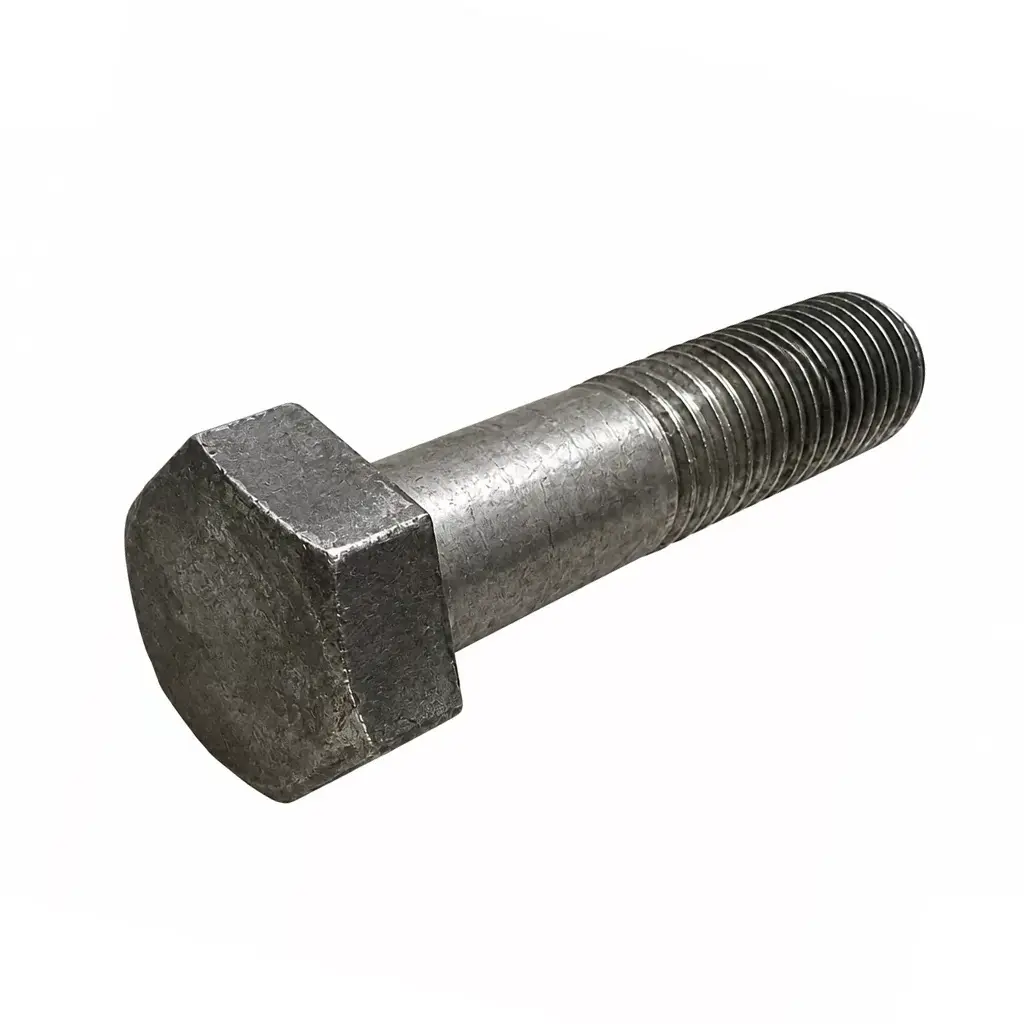
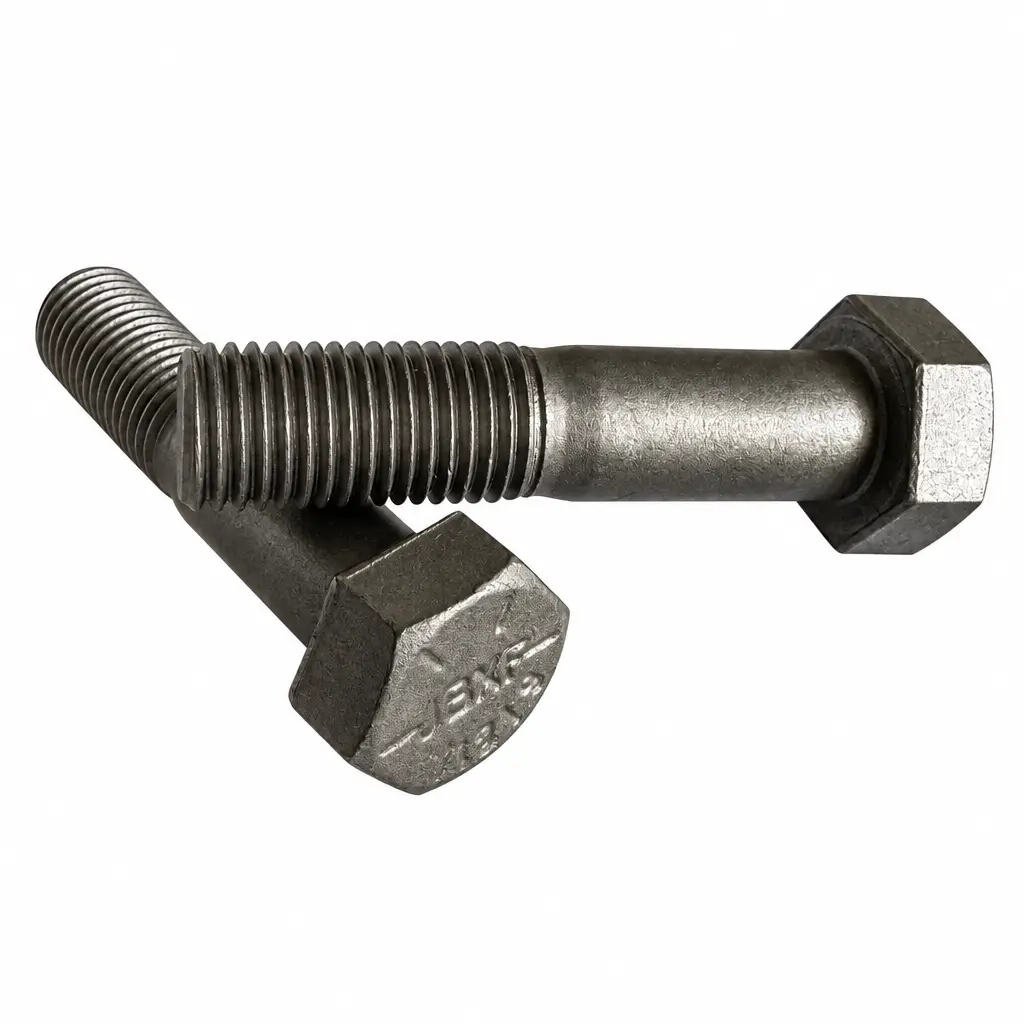
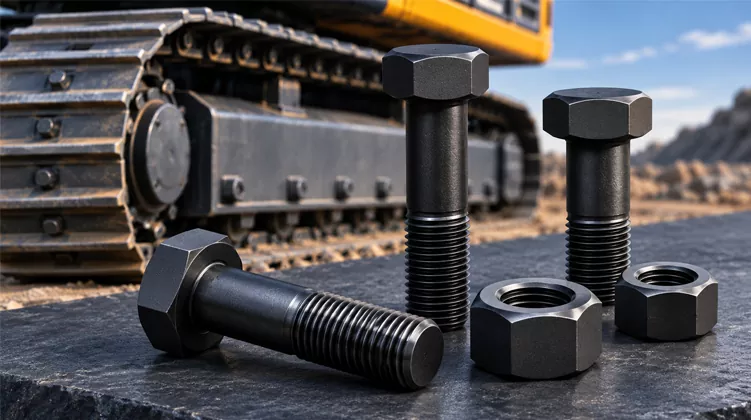
Construction machinery uses many types of specialized fasteners, and similar-looking bolts are not necessarily interchangeable. Plow bolts and segment bolts are two examples. Both are designed for demanding equipment applications, but the assemblies they secure and the required head shapes can be different.
Understanding these differences helps spare-parts buyers send accurate specifications and avoid delays caused by incorrect product selection.
1. What Is a Plow Bolt?
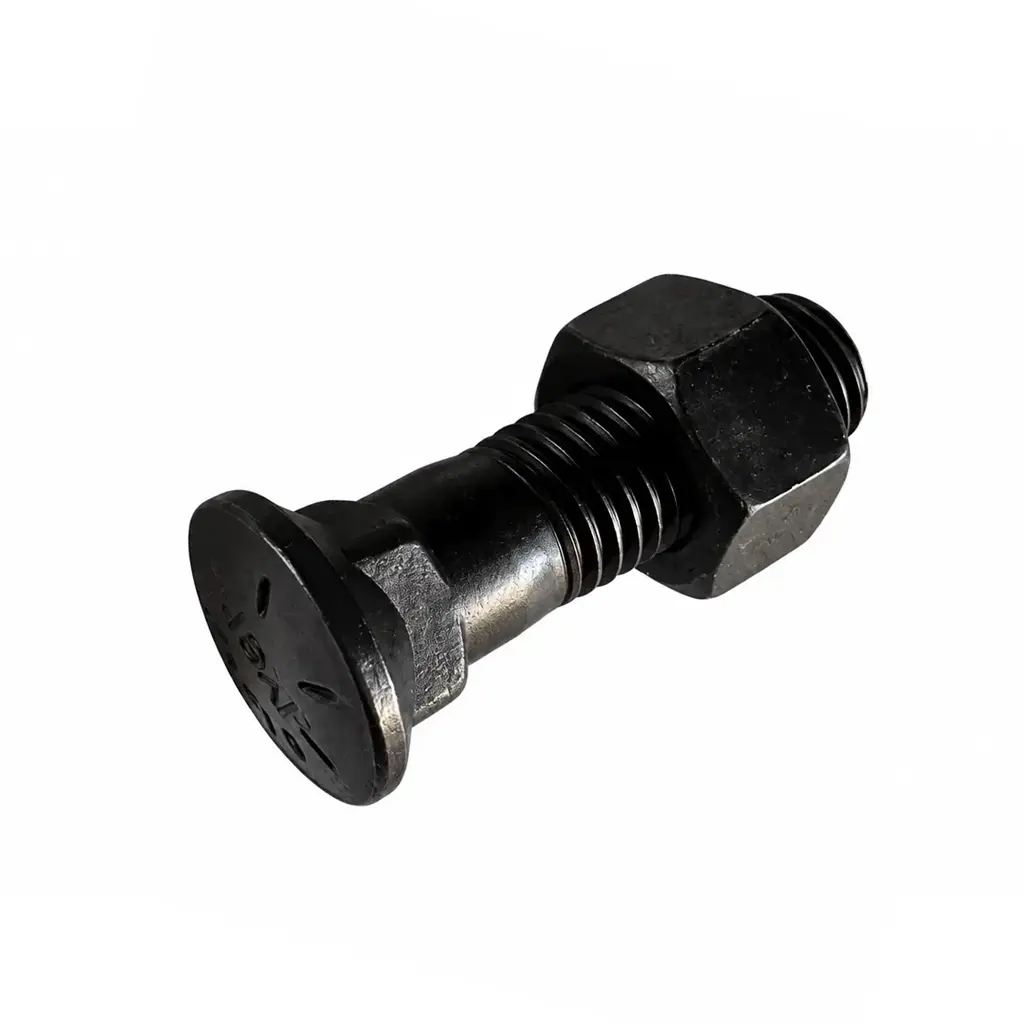
Plow bolts are commonly used to fasten cutting edges, blades and certain wear components on earthmoving or road-maintenance equipment. Many designs use a low-profile or countersunk head so that the fastener sits appropriately in the mounting surface instead of projecting into the working path of the material.
The correct head profile, diameter, thread, length and matching nut all depend on the blade and equipment design. A plow bolt should not be selected by overall length alone.
JBXF's product catalog includes several imperial-size plow bolt and nut listings, making it important to confirm whether a requested specification uses metric or inch-based dimensions.
2. What Is a Segment Bolt?
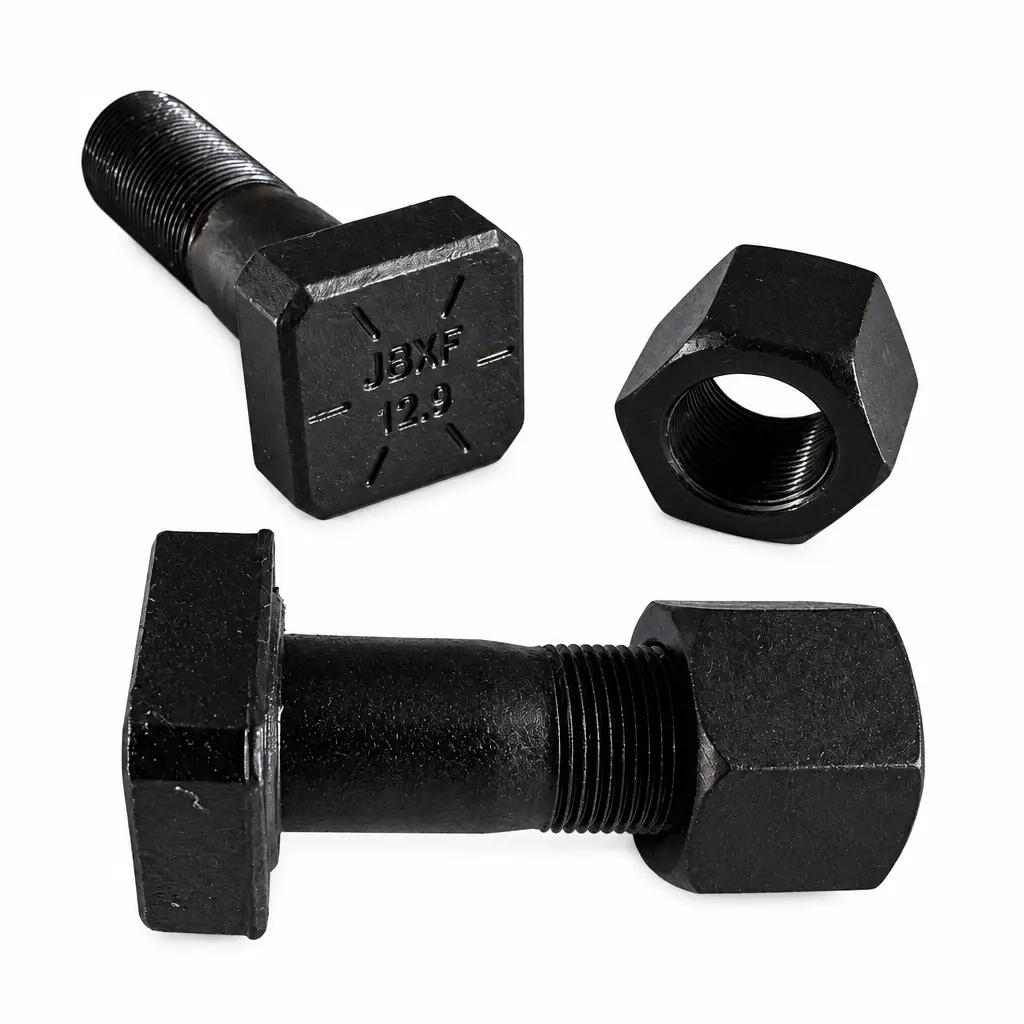
Segment bolts are used in selected construction machinery assemblies where replaceable segments or related components must be secured to their mounting structure. Sprocket segment fastening is a common example. The assembly design determines the required head shape, thread size, shank length and associated hardware.
The JBXF product classification includes a segment bolt group associated with sprocket segments and a separate group identified in Chinese as tooth-block bolts. Until the exact product pictures and application details have been confirmed, buyers should provide the specific part number or drawing rather than relying on the English category name alone.
3. Key Differences Buyers Should Check
Application: Identify the blade, cutting edge, sprocket segment or other mounting component being fastened.
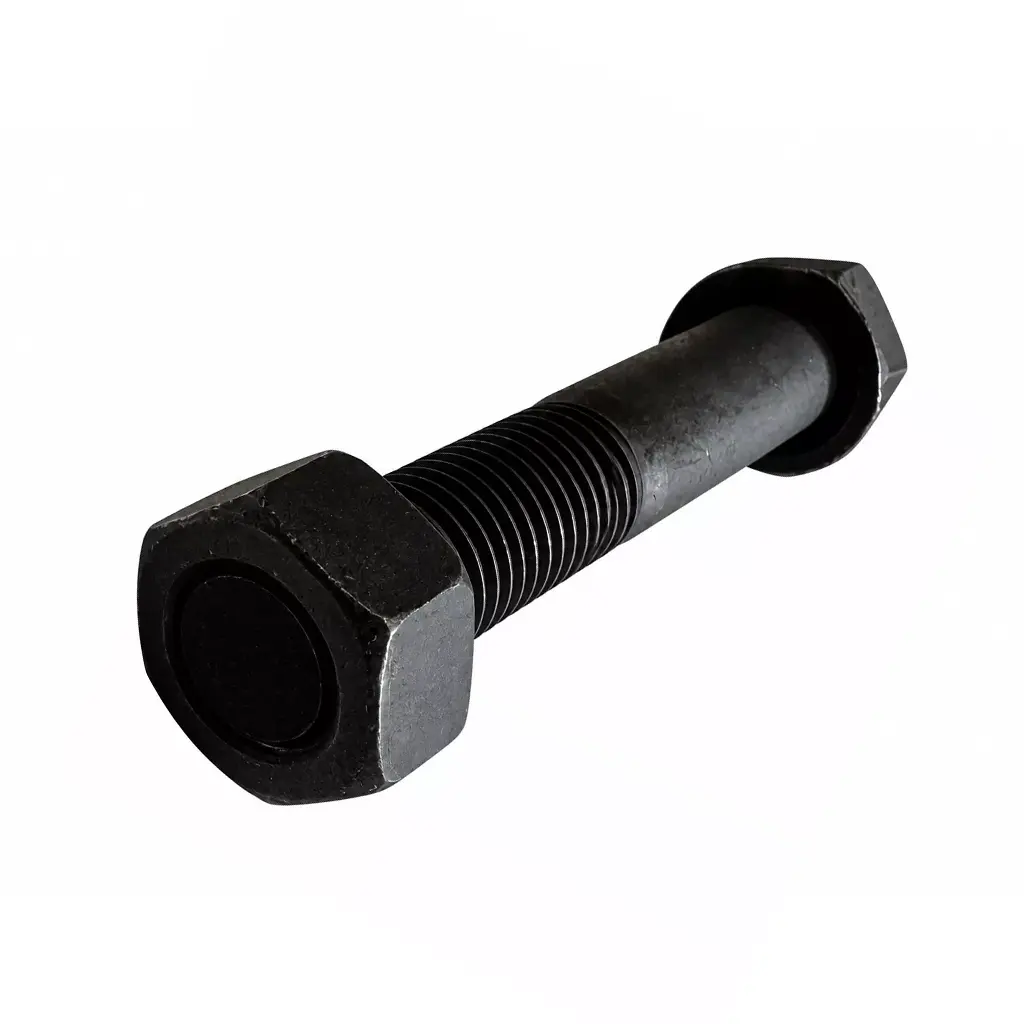
Head and seating design: Confirm whether the joint requires a countersunk, shaped or standard hex-head configuration.
Dimensions: Record diameter, thread pitch, length and any relevant shoulder or unthreaded shank dimensions.
Matching components: Specify the correct nut and any washers or other hardware required by the assembly.
Equipment reference: Provide the machine model and original part number whenever possible.
4. Why Photographs Alone Are Not Enough
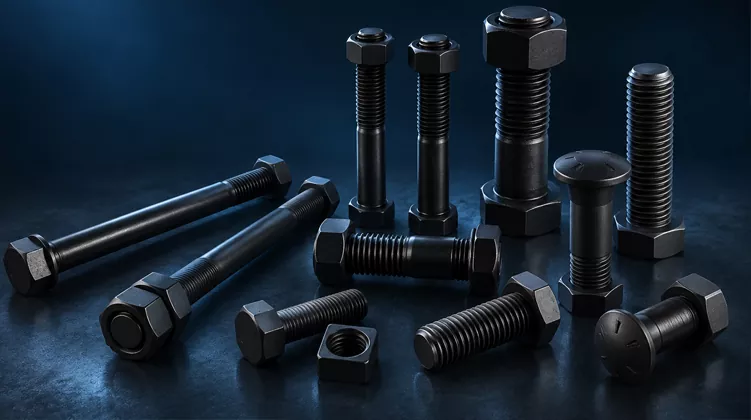
A photograph is useful for identifying a general head shape, but perspective can hide critical dimensions. Two bolts may look almost identical while having different pitches or seating geometries. For replacement orders, a drawing, complete dimensional description or confirmed OEM part reference is a safer basis for verification.
5. Buying from JBXF
JBXF supplies construction machinery bolts and nuts across multiple application groups, including plow bolts and segment bolts. Its order-confirmation process includes reviewing product information and technical requirements with customers.
Request a quotation: Send your required part numbers, quantities and drawings to the JBXF team so the appropriate fasteners can be identified before order confirmation.
We use cookies to offer you a better browsing experience, analyze site traffic and personalize content. By using this site, you agree to our use of cookies. Privacy Policy