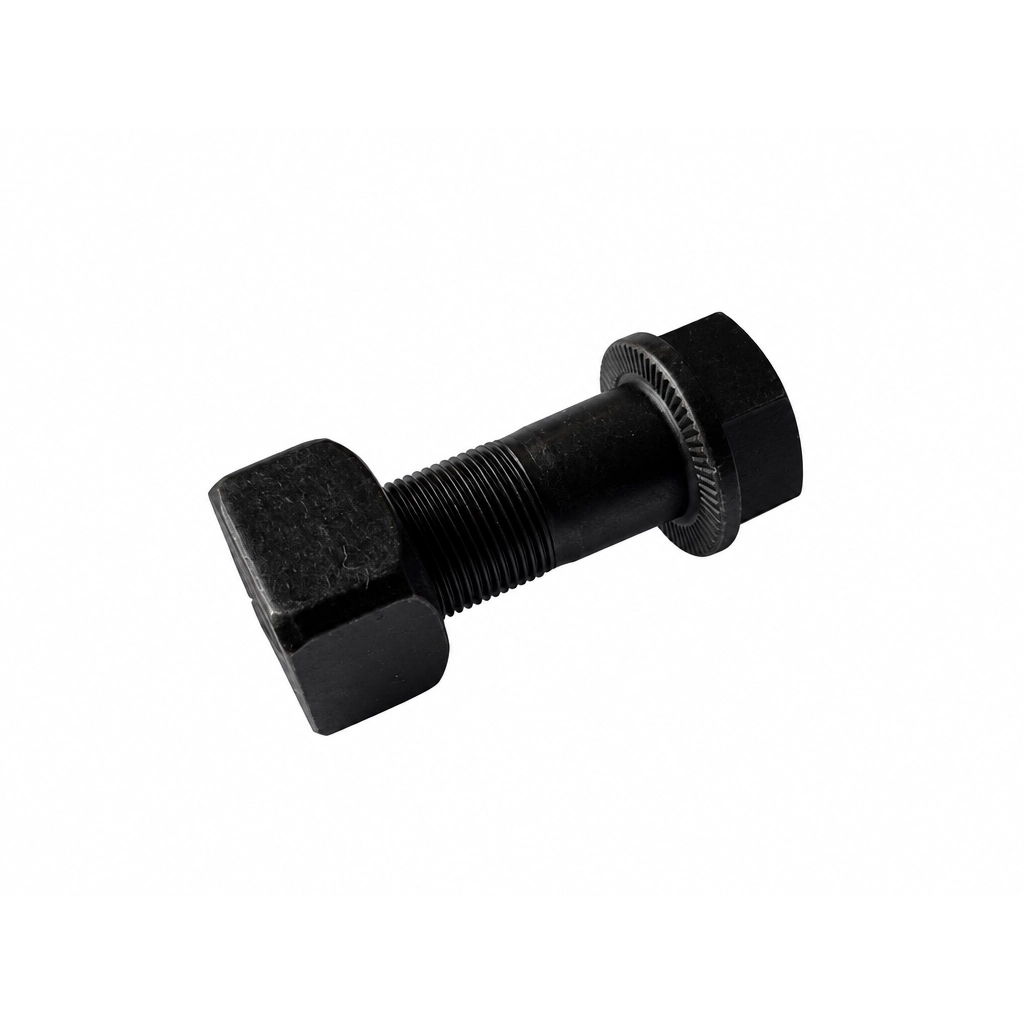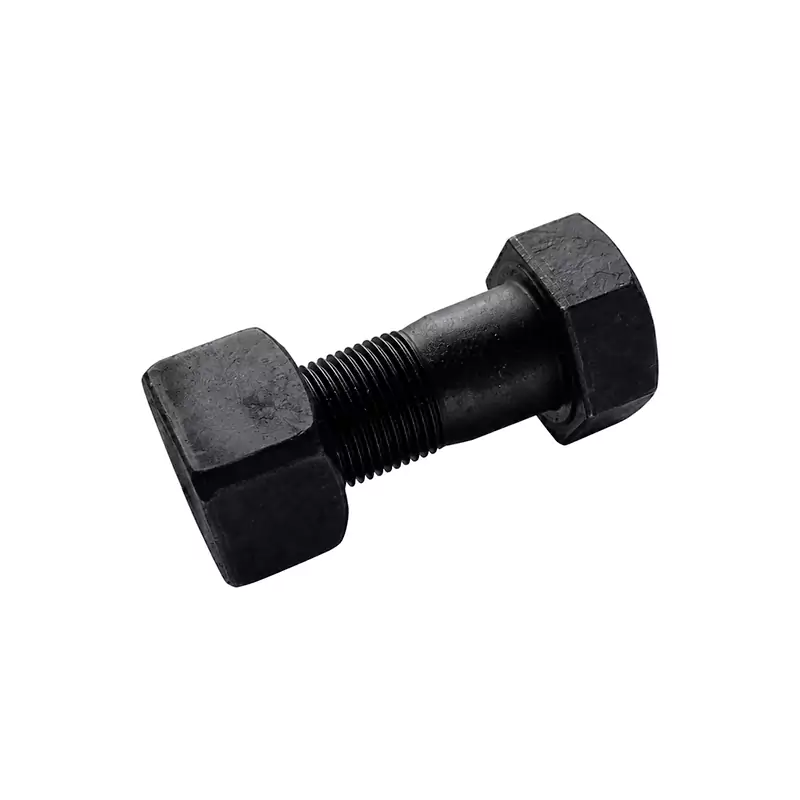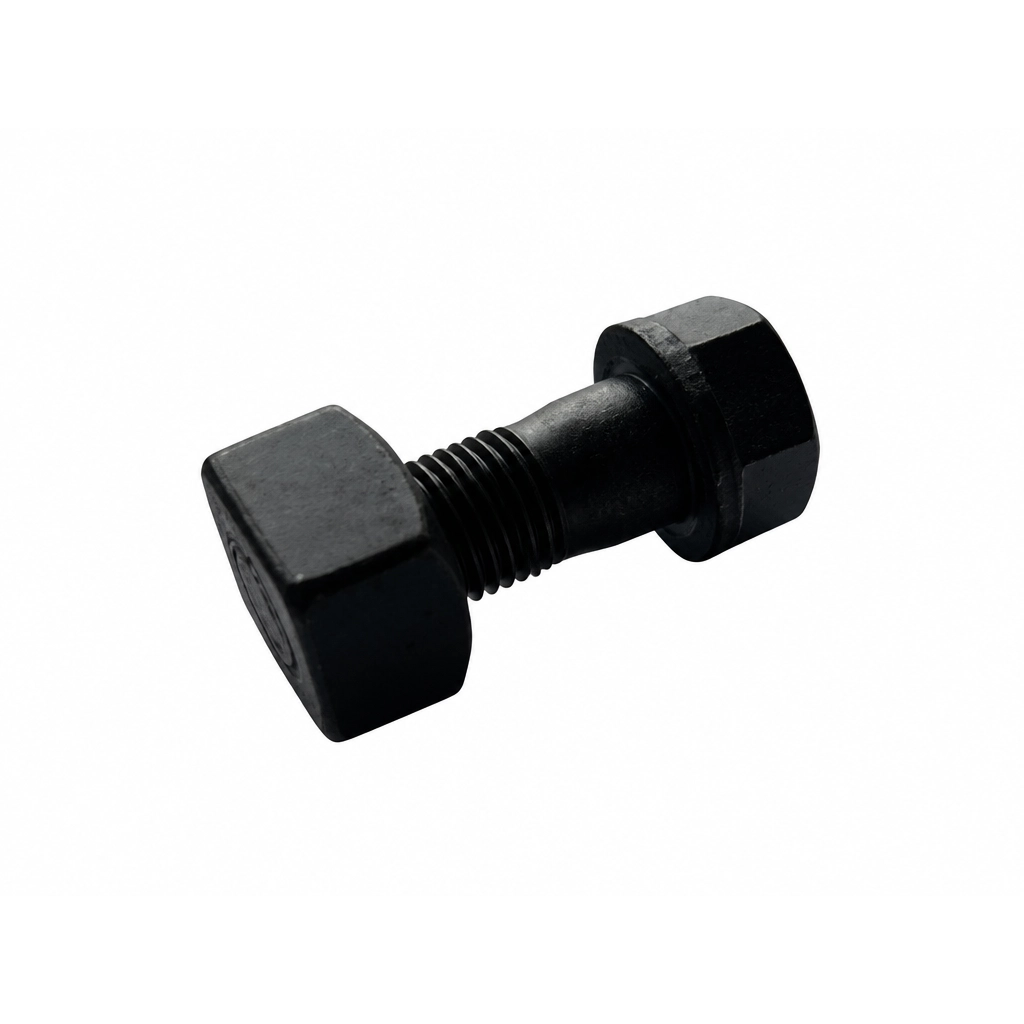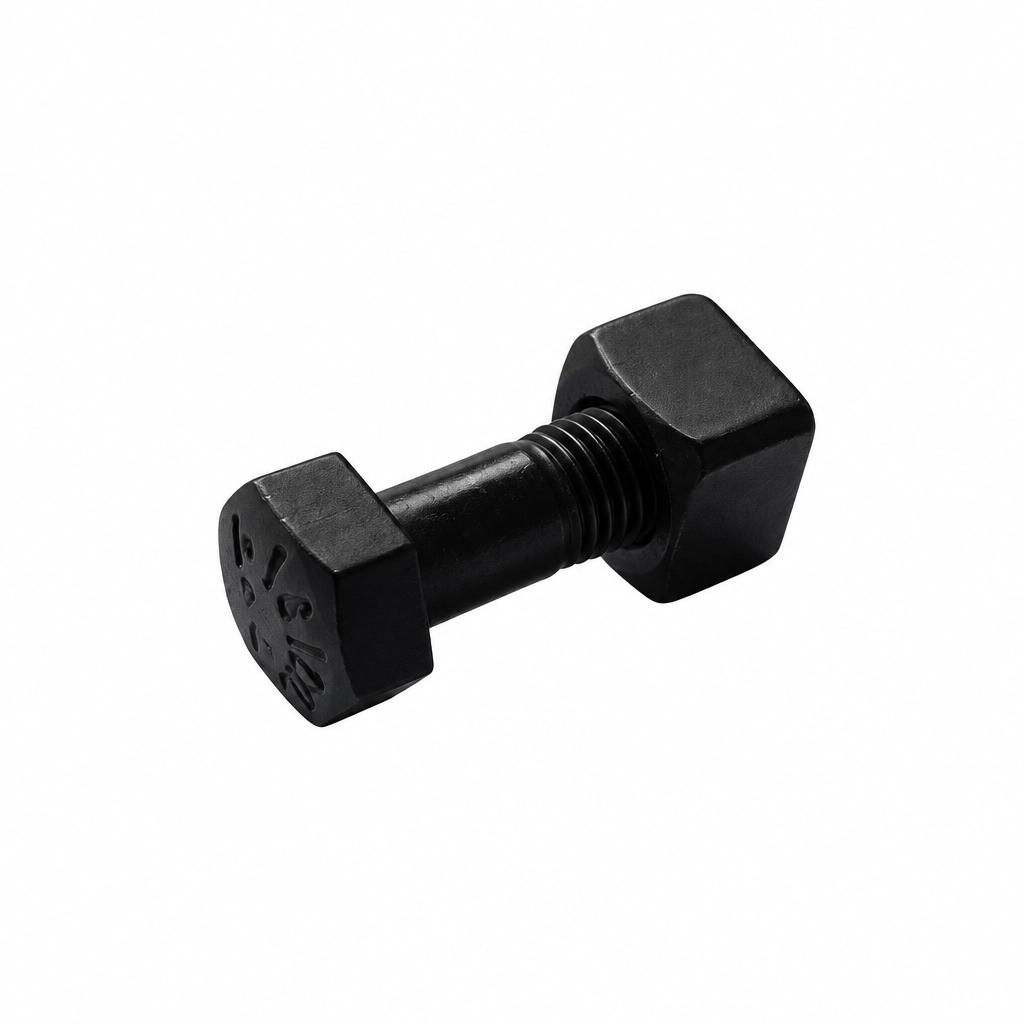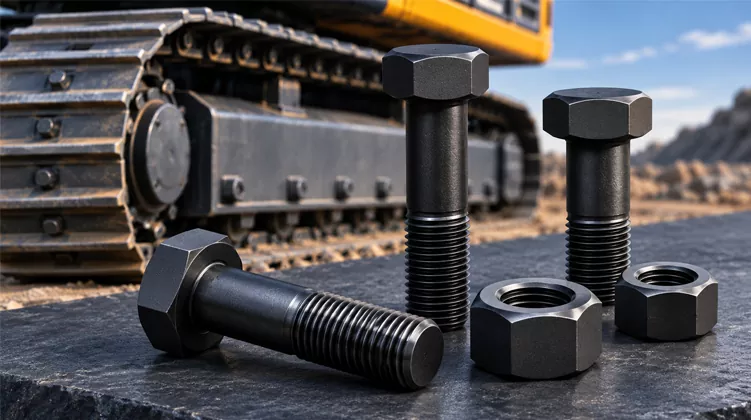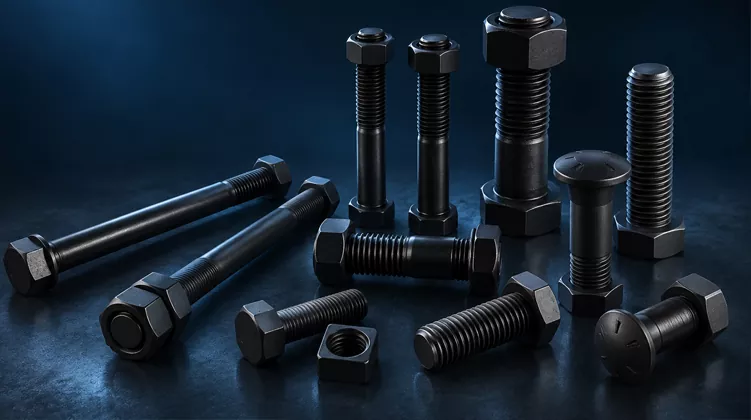
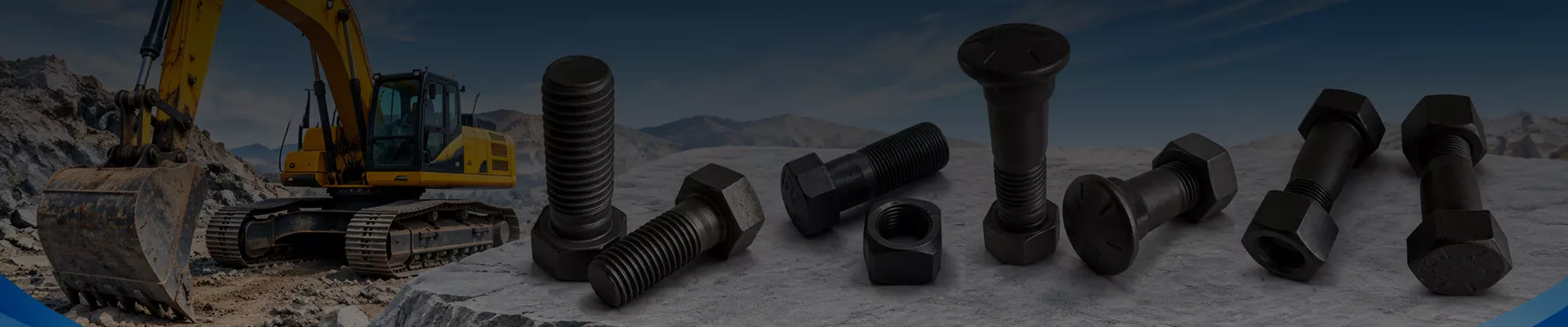
At JBXF Machinery, we supply railway fastening components designed to support secure mechanical connections in railway track infrastructure. A reliable fastening assembly depends not only on the rail fastening structure but also on the dimensional accuracy, thread compatibility, material performance, and installation conditions of each connecting component. Our Track Bolt and Nut solutions are developed for railway construction, track maintenance, and infrastructure replacement projects where dependable fastening performance is essential.
As a China-based railway fastener manufacturer and supplier, we understand that international buyers need more than a standard bolt and nut combination. Different rail profiles, fastening systems, sleeper configurations, and operating environments require different connection specifications. We work with project requirements to help buyers identify suitable fastening configurations, material options, and manufacturing specifications.
In railway fastening assemblies, bolts and nuts help maintain the mechanical connection between fastening components. During train operation, the track structure is exposed to repeated vertical wheel loads, lateral forces, and vibration. These forces can influence the stability of threaded connections over time.
We consider the intended fastening arrangement when evaluating bolt dimensions, thread engagement, and tightening requirements. Properly matched components help distribute clamping forces through the assembled connection and reduce the risk of loosening caused by unsuitable installation or incompatible parts.
For heavy-haul railways, conventional railway lines, and industrial rail systems, the required fastening configuration may differ significantly. We recommend confirming the operating conditions and technical drawings before selecting a suitable bolt and nut assembly.
Thread compatibility is an important consideration when purchasing railway fastening components. Even when two bolts have similar external dimensions, differences in thread diameter, pitch, tolerance, or thread profile can prevent correct assembly.
At JBXF Machinery, we focus on the dimensional requirements that affect component interchangeability. Buyers should evaluate the nominal diameter, thread pitch, thread length, head dimensions, and nut specifications together rather than selecting individual parts based on appearance alone.
Correct thread engagement allows the nut to develop the intended clamping force when tightened according to the applicable engineering requirements. Incorrect thread matching may result in difficult installation, damaged threads, insufficient engagement, or premature connection failure.
The working environment has a direct influence on the material requirements of railway fastening components. Track installations in coastal regions, humid areas, industrial zones, and locations exposed to deicing salts may face different corrosion risks.
Depending on project specifications, we can discuss suitable steel grades, mechanical property requirements, and surface treatment options. Carbon steel is commonly considered for general structural fastening applications, while other material and coating combinations may be specified where additional corrosion protection is required.
For buyers seeking Durable railway fastening components, material selection should be based on the actual service environment, required mechanical performance, and maintenance expectations. A thicker coating alone does not automatically guarantee better performance if the underlying material or coating process is unsuitable for the application.
Railway fasteners are frequently exposed to moisture, temperature fluctuations, dust, and environmental contaminants. Surface protection can therefore influence the service life and maintenance requirements of bolted connections.
We evaluate surface treatment requirements according to the intended application and customer specifications. Depending on the project, possible options may include hot-dip galvanizing, zinc-based coatings, or other specified protective treatments. The selection should consider coating thickness, dimensional tolerances, thread fit, and compatibility with the corresponding nut.
For railway projects in aggressive environments, we recommend confirming the required corrosion protection standard before production. This helps avoid dimensional interference during assembly and ensures that the selected protection system is appropriate for the expected operating conditions.
Different railway fastening systems use different connection arrangements. Bolt head geometry, shank length, thread position, and nut dimensions must correspond to the installation space and the supporting fastening components.
When evaluating an order, we encourage customers to provide rail fastening drawings, existing samples, or detailed dimensional requirements. This allows us to assess whether the proposed components are compatible with the existing assembly and whether any dimensional adjustments are necessary.
For replacement and maintenance projects, matching the original component specifications is particularly important. Using a visually similar but dimensionally different fastener may create installation difficulties or affect the intended connection performance.
Product acceptance should cover more than visual appearance. For railway fastening applications, buyers may need to verify dimensional tolerances, thread accuracy, material properties, mechanical performance, and surface treatment according to the applicable purchase specification.
We recommend establishing inspection criteria before mass production. Depending on the technical requirements, inspection may include dimensional measurement, thread gauging, hardness testing, tensile testing, coating thickness measurement, and visual inspection.
These checks help purchasing teams identify potential manufacturing deviations before components are delivered to the construction site. For projects requiring traceability, inspection documentation and material identification requirements should also be agreed upon in advance.
Railway construction projects and track maintenance programs often involve multiple fastening specifications. Standardized components may be suitable for routine replacement, while new railway infrastructure projects may require customized dimensions or specific material and coating combinations.
As a Track Bolt and Nut manufacturer and supplier, we support buyers in reviewing project drawings, technical specifications, and order requirements before production. Our approach is to clarify the connection dimensions and application conditions rather than recommend a generic product without understanding the actual installation requirements.
We can discuss production arrangements for railway contractors, infrastructure distributors, engineering companies, and industrial procurement teams. Whether the requirement involves standard fastening components or project-specific configurations, we aim to provide a clear technical basis for product selection and order confirmation.
Choosing a reliable China railway fastener supplier involves evaluating manufacturing capability, specification control, communication efficiency, and delivery coordination. At JBXF Machinery, we focus on understanding the technical requirements behind each order so that the supplied components correspond to the intended fastening application.
We pay attention to product dimensions, thread specifications, material selection, and surface treatment requirements during order confirmation. This helps reduce specification misunderstandings and supports more efficient procurement for international railway projects.
For customers comparing Quality and price, we recommend evaluating the complete technical specification rather than comparing unit prices alone. Material grade, manufacturing tolerances, testing requirements, surface protection, packaging, and order quantity can all influence the final purchasing cost.
Our factory can discuss production requirements, customized specifications, and supply arrangements according to project needs. We welcome inquiries from overseas railway contractors, wholesalers, distributors, and engineering procurement companies seeking a dependable long-term manufacturing partner.
Track bolts and nuts are mechanical fastening components used in railway track structures. They connect and secure designated fastening components according to the railway system design. Their dimensions and mechanical properties must meet the requirements of the corresponding track fastening assembly.
We recommend selecting the bolt according to the original engineering drawing or fastening system specification. Important dimensions include bolt diameter, overall length, thread pitch, thread length, head geometry, and nut dimensions. Providing a sample or technical drawing helps us verify compatibility before production.
Carbon steel and other specified steel grades may be used depending on the mechanical requirements and operating environment. The appropriate material should be determined by the required strength class, applicable standards, load conditions, and project specifications rather than appearance or price alone.
Yes. We can discuss customized dimensions, thread specifications, head configurations, material requirements, and surface treatments according to customer drawings and technical requirements. Before production, we recommend confirming all critical dimensions and applicable inspection criteria.
The appropriate surface treatment depends on the installation environment and project requirements. Hot-dip galvanizing and zinc-based protective coatings are possible options for certain applications. Buyers should confirm corrosion protection requirements, coating thickness, thread tolerances, and assembly compatibility before ordering.
Quality evaluation may include dimensional inspection, thread gauging, hardness testing, tensile testing, and surface coating inspection. The specific inspection items should follow the applicable technical standard and purchase agreement. We recommend confirming inspection and documentation requirements before mass production.
Yes. As a China-based manufacturer and supplier, JBXF Machinery welcomes inquiries from international distributors, railway contractors, and engineering procurement companies. Please provide the required specifications, order quantity, destination country, and delivery expectations so we can evaluate the production and supply arrangements.
To prepare a suitable quotation, please provide the bolt dimensions, thread specifications, material grade, surface treatment, applicable technical standard, required quantity, and delivery destination. Drawings, samples, or photographs of the existing fastening assembly can also help us confirm the product requirements.
To help us provide an accurate quotation, please share your required bolt diameter, thread pitch, overall length, head dimensions, material grade, surface treatment, and order quantity. Technical drawings, reference samples, or photographs of the existing fastening assembly are also helpful.
At JBXF Machinery, we are committed to helping international buyers identify suitable railway fastening solutions with clear specifications and practical manufacturing support. Contact our team to discuss your project requirements, request technical details, and obtain a quotation for your next railway infrastructure order.