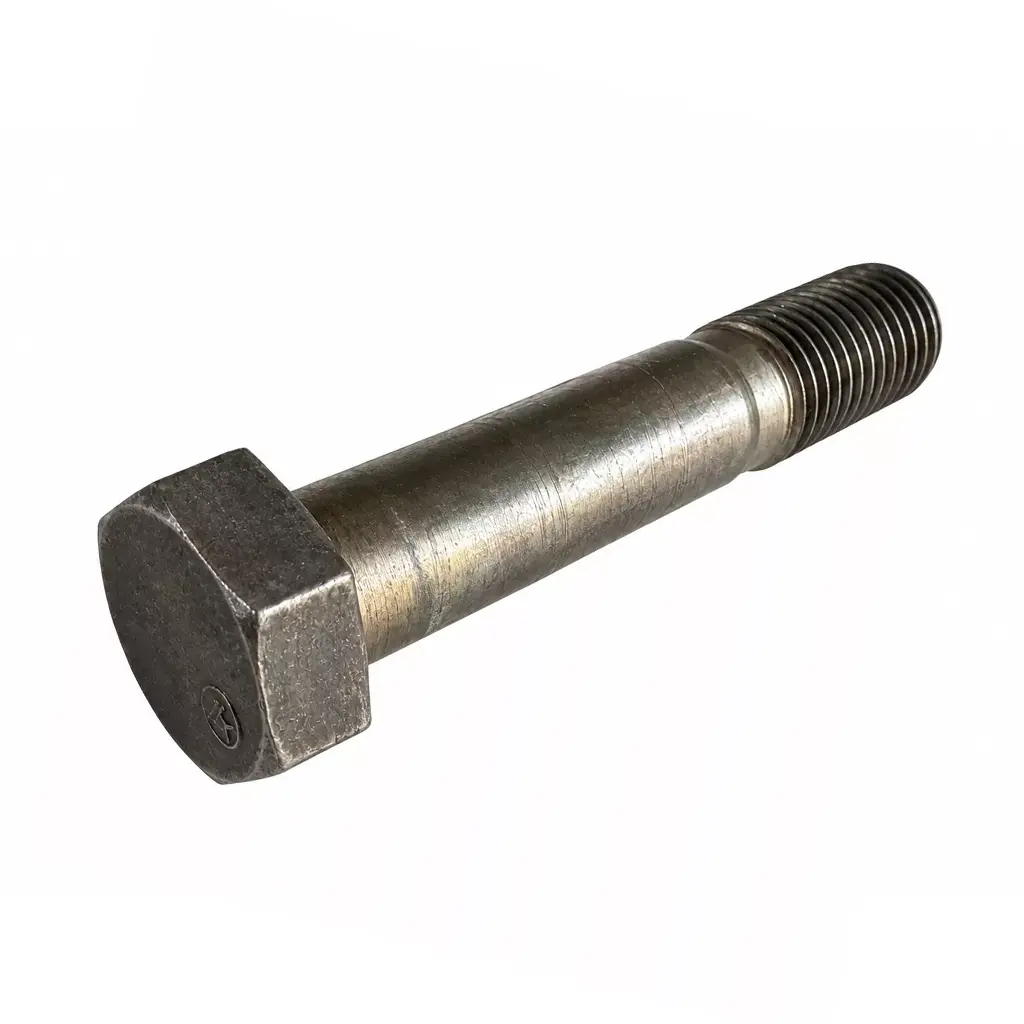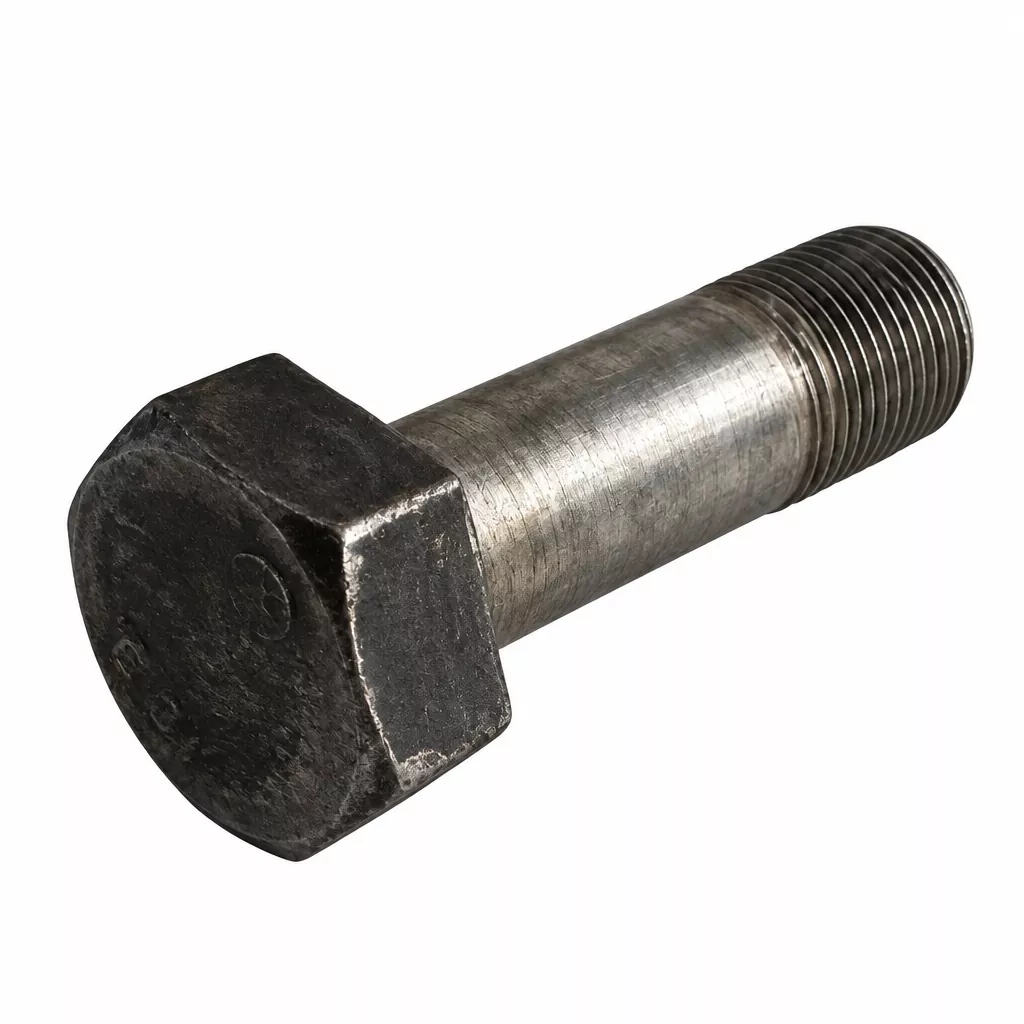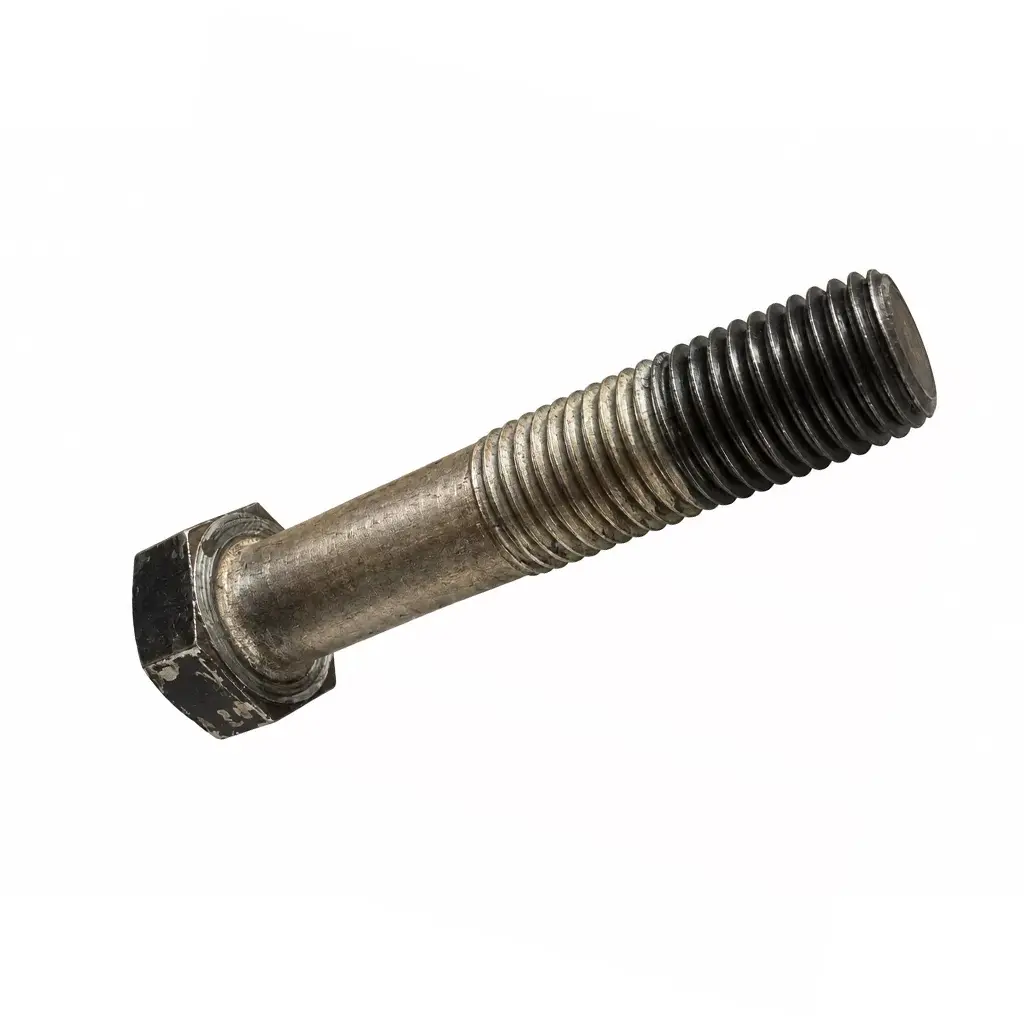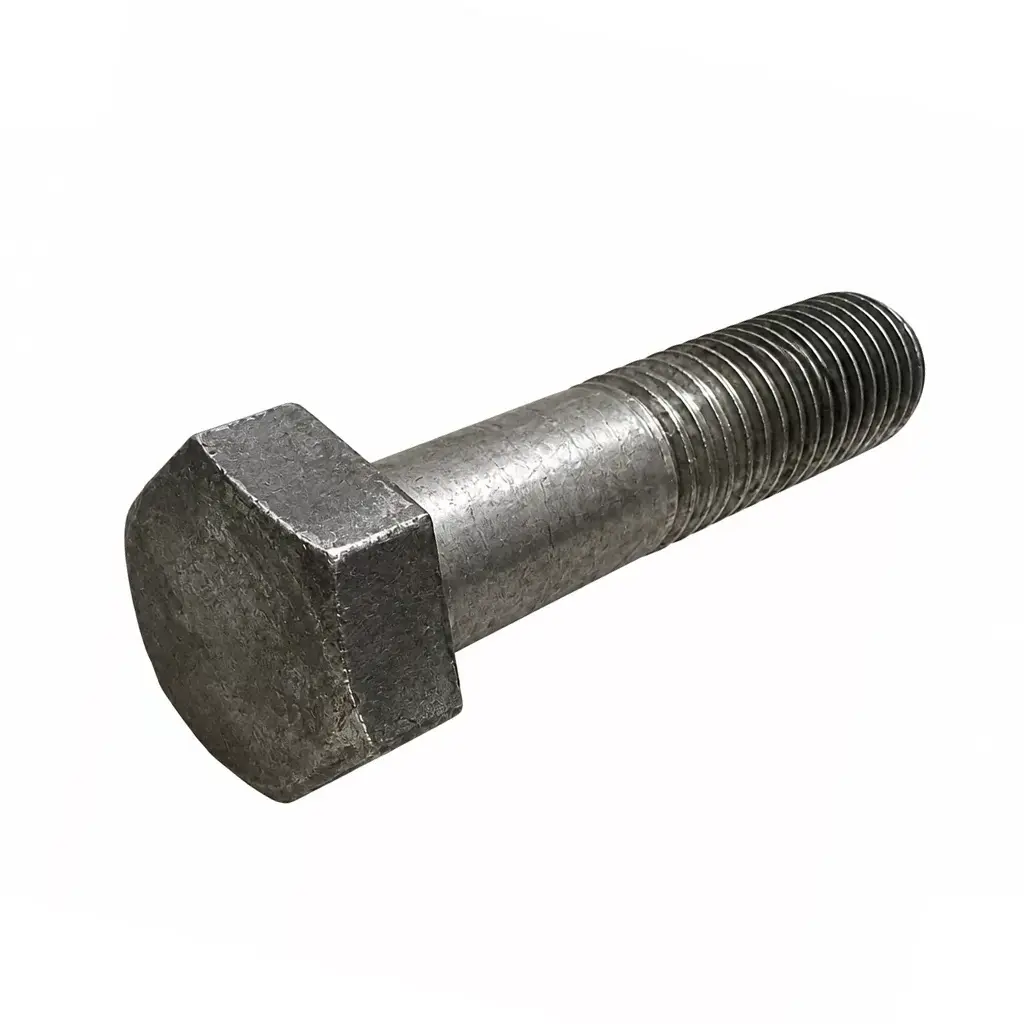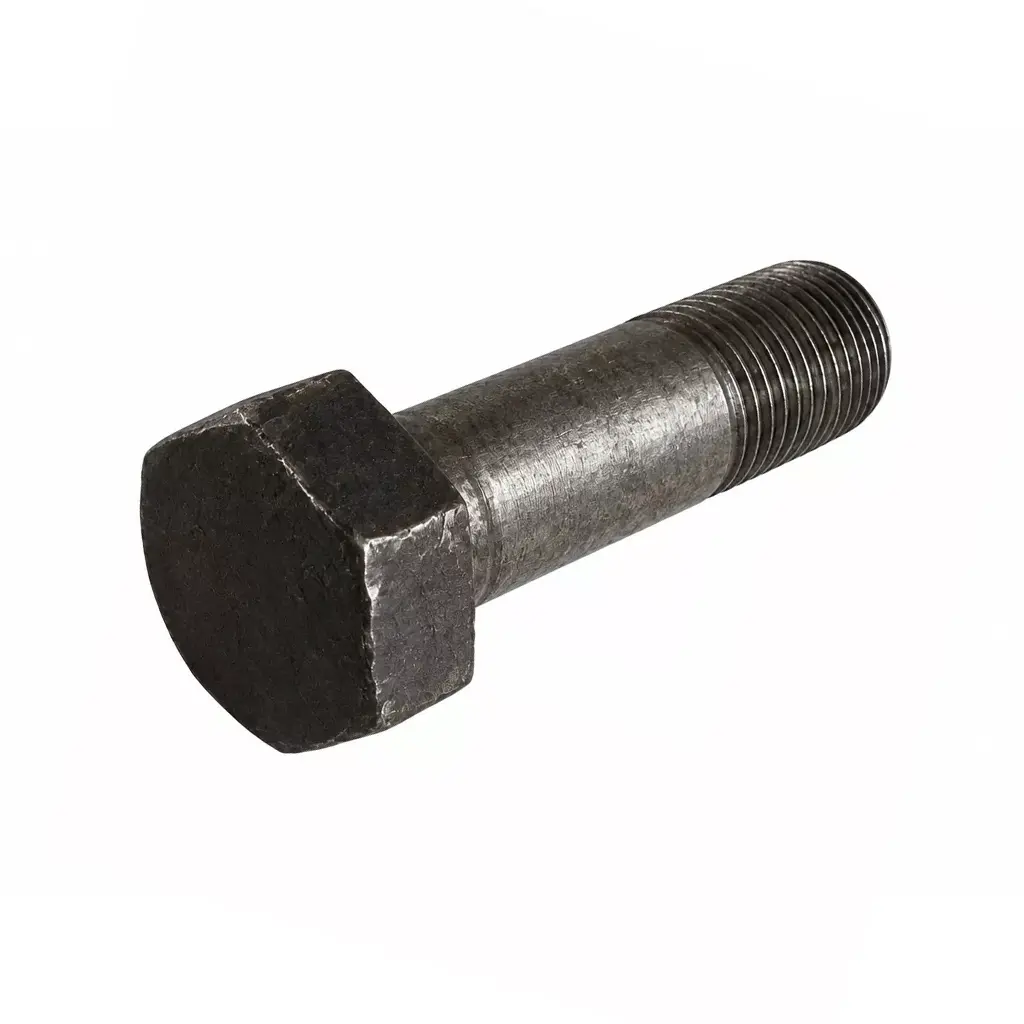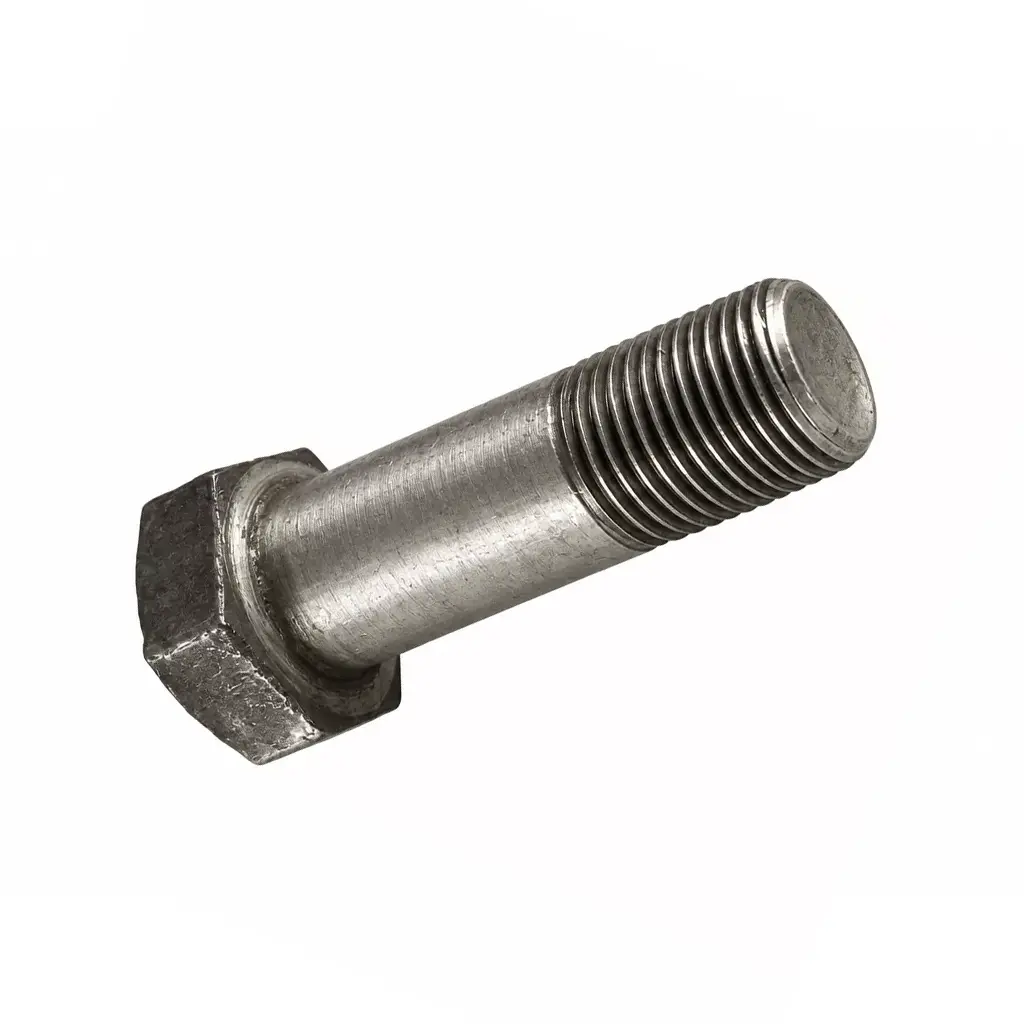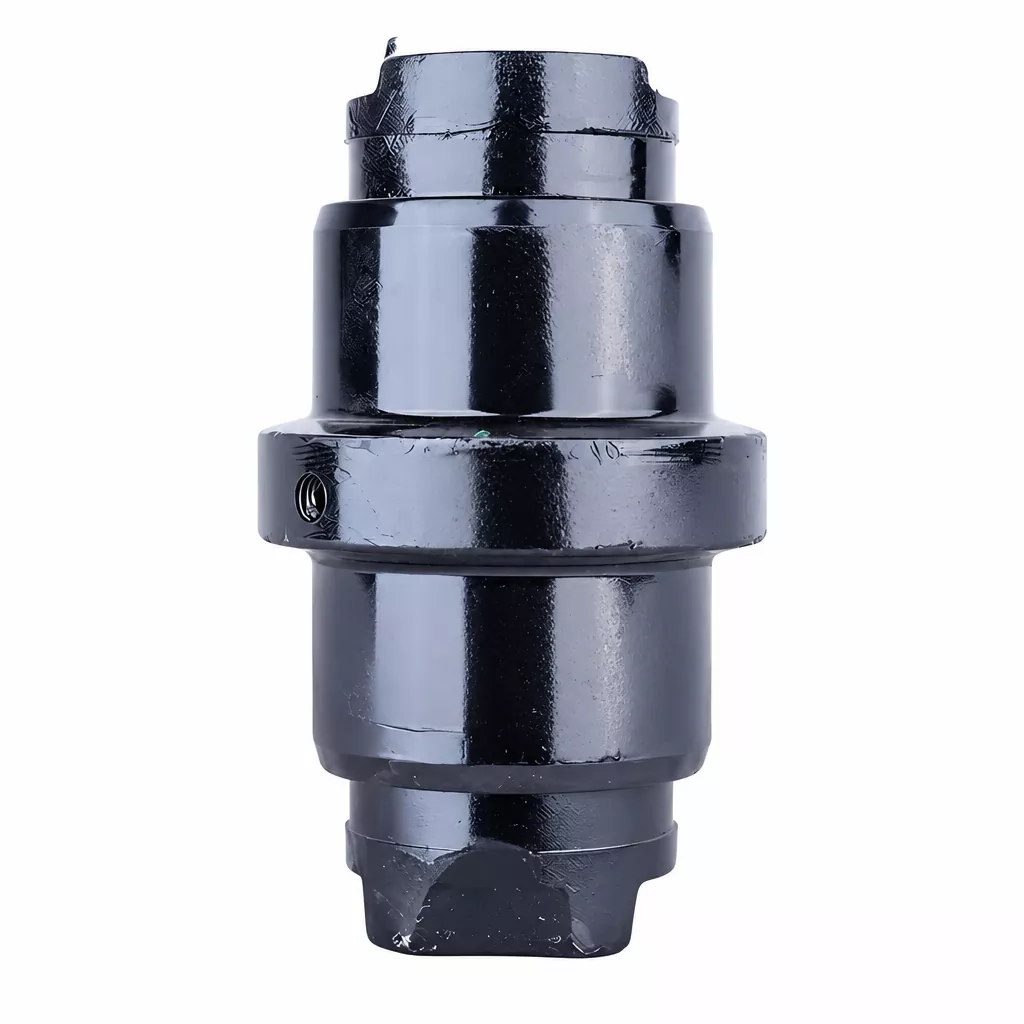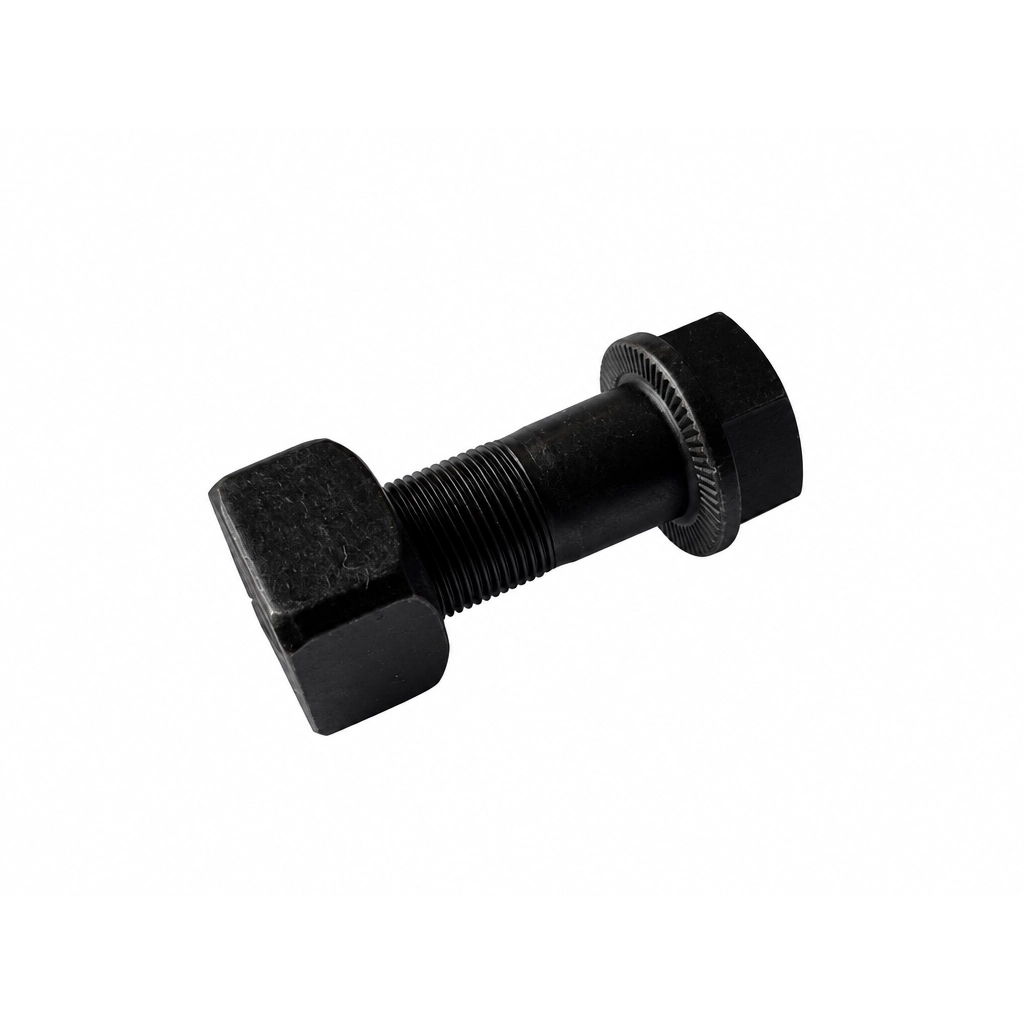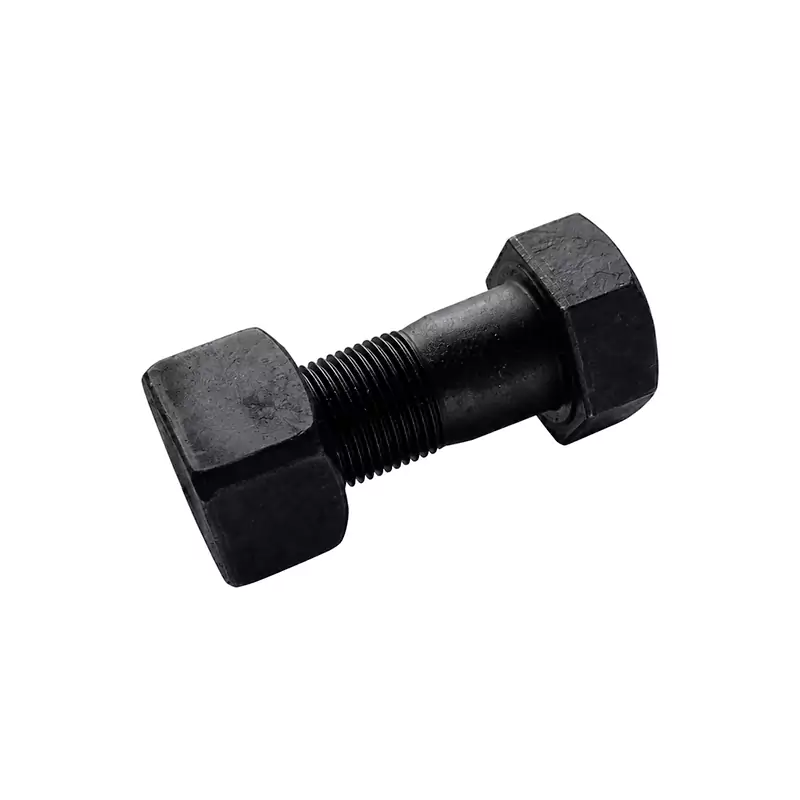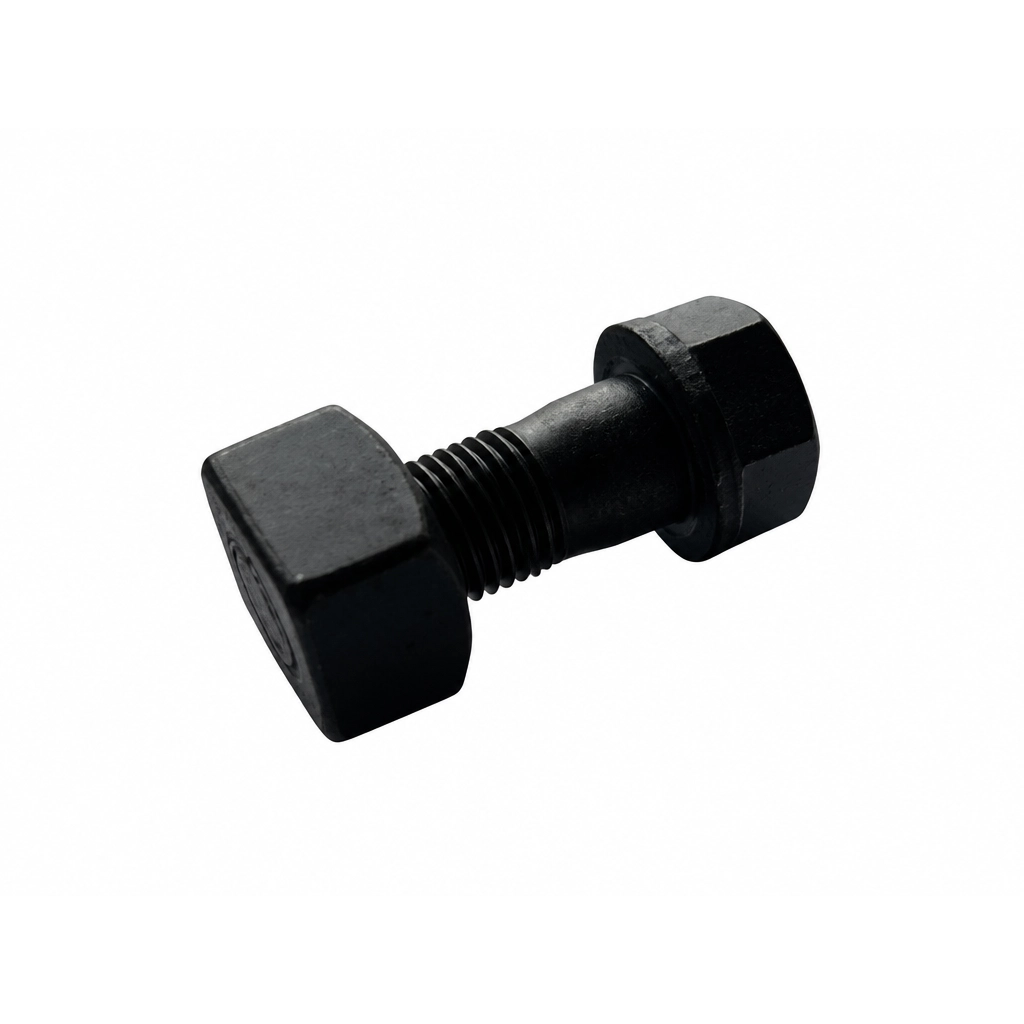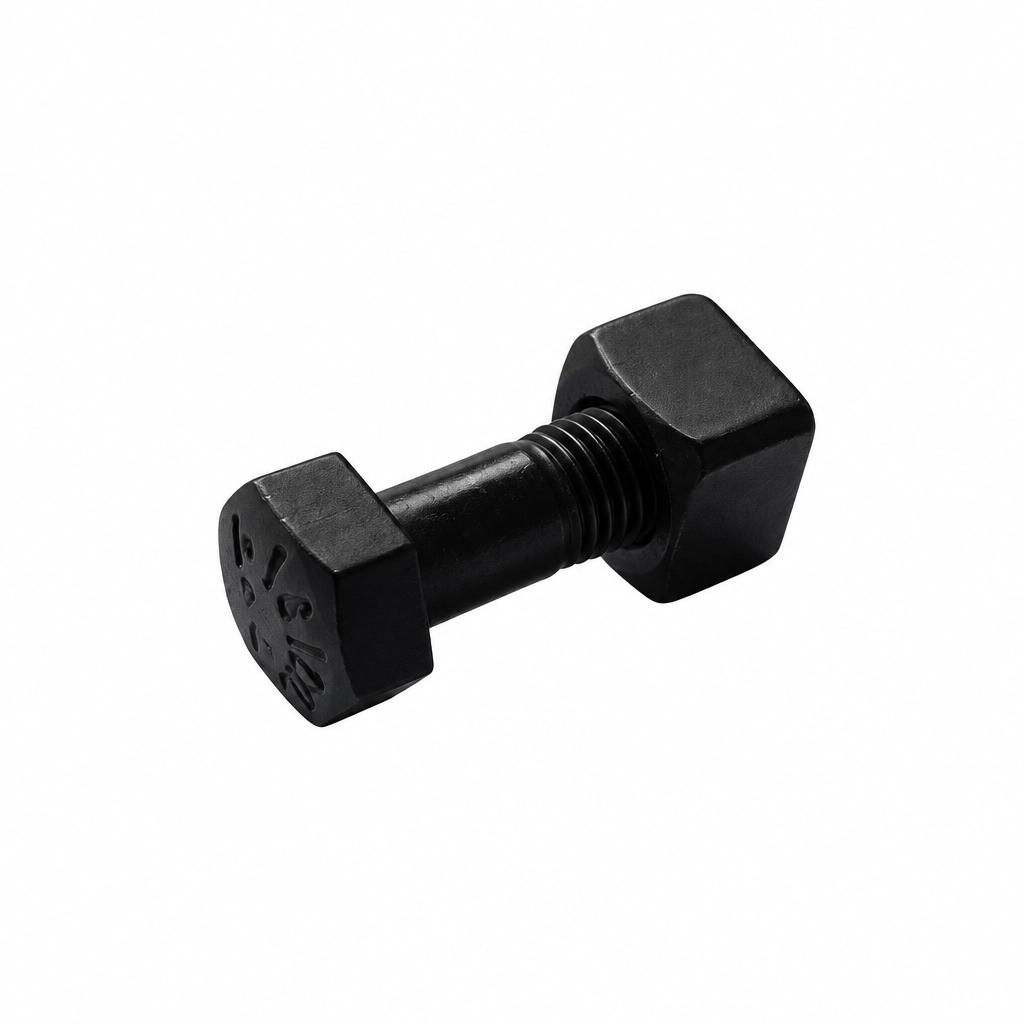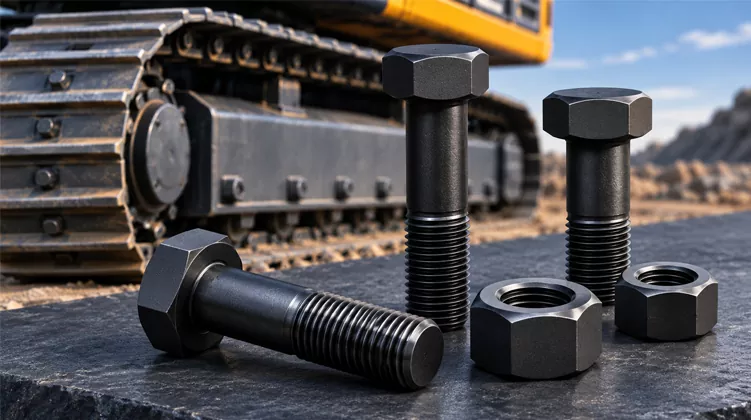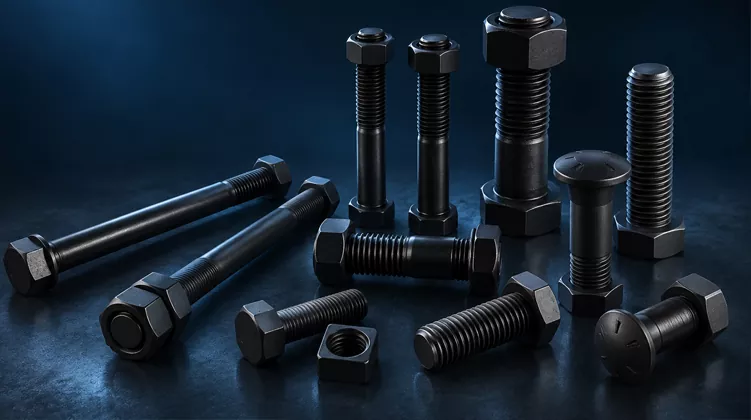
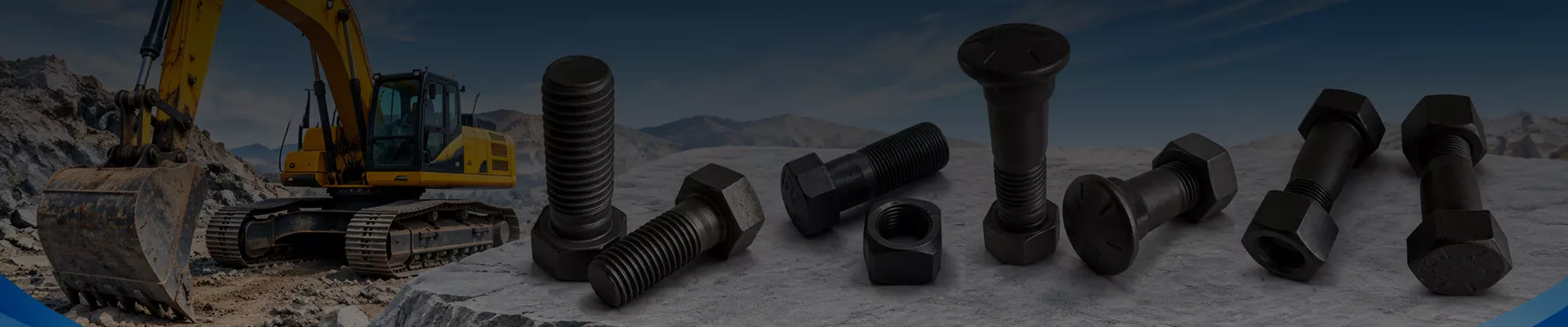
Slewing Bolts are used in machinery that requires controlled rotation under combined operating loads. They are commonly found in excavators, cranes, lifting equipment, wind-related machinery, and other heavy-duty applications. The bolts used to secure these assemblies play an important role in maintaining the connection between the bearing ring and its supporting structure.
Incorrect bolt selection, unsuitable tightening procedures, or poor mating-surface conditions can affect joint reliability and equipment operation. At JBXF Machinery, we supply industrial fastening components for machinery manufacturers, equipment maintenance companies, and international spare-parts distributors.
Slewing bearing assemblies generally use multiple bolts arranged around the circumference of the bearing ring. The number of bolts, hole positions, pitch circle diameter, and thread specifications depend on the bearing and equipment design. A mismatch in the bolt arrangement can prevent correct installation or create uneven connection conditions.
When customers source Slewing Bolt products, we recommend confirming the bearing drawing and bolt-hole arrangement before selecting a replacement. Buyers should check the nominal thread size, pitch, bolt length, quantity, and specified strength class. If the original drawing is unavailable, the bearing identification number and equipment documentation can provide useful starting references.
Bolt length must suit the thickness of the connected components and the design of the threaded hole or nut arrangement. A bolt that is too short may not provide the required thread engagement, while an excessively long bolt may interfere with internal components or reach the bottom of a blind threaded hole before the joint is properly clamped.
We advise buyers to confirm the required grip length, thread engagement, and clearance using the original equipment specification. These details are particularly important when replacing bolts on large slewing bearing assemblies, where a small dimensional difference can affect installation across multiple fastening positions.
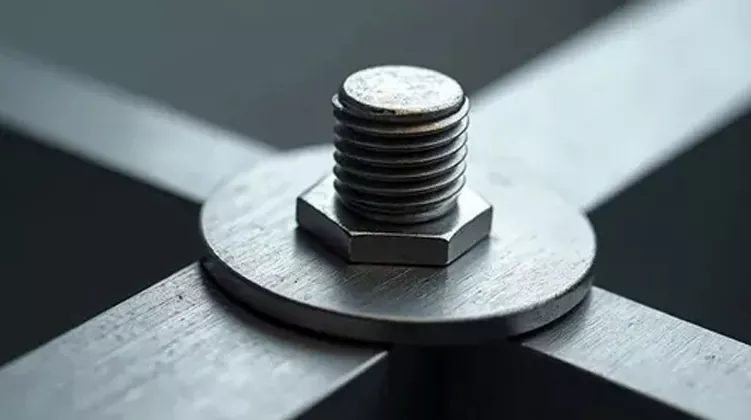
Bolted joints in slewing bearing assemblies are designed to maintain clamping force between the bearing ring and its supporting structure. The required bolt preload depends on the joint design, bolt specification, operating loads, and manufacturer's engineering requirements. Insufficient or inconsistent preload may affect joint behavior, while excessive tightening can overstress the fastener or damage connected components.
For this reason, we recommend following the equipment or bearing manufacturer's specified tightening method and torque values. A general torque chart should not replace the approved installation procedure, particularly where high-strength fasteners or safety-critical machinery connections are involved.
When multiple bolts secure a large bearing ring, the tightening sequence can influence how clamping force is distributed across the joint. Applying the specified tightening procedure in the correct sequence helps reduce the risk of uneven seating or localized loading.
Depending on the equipment design, the manufacturer may specify a staged tightening process, a cross-pattern sequence, hydraulic tensioning, or another controlled method. We encourage customers to provide the relevant installation requirements when discussing replacement orders so that the supplied fasteners can be matched to the intended assembly procedure.
The reliability of a bolted connection depends not only on the fastener but also on the condition of the surfaces being joined. The mounting structure should meet the flatness, stiffness, and dimensional requirements specified for the bearing assembly. Distortion, local damage, or uneven contact may affect how the joint is clamped.
Before installing replacement hardware, maintenance personnel should inspect the bearing mounting surface and the connected structure. If the mounting interface is deformed or damaged, replacing the bolts alone may not resolve the underlying problem. The equipment manufacturer's inspection and repair instructions should be followed before the assembly is returned to service.
Paint, protective coatings, corrosion products, and other surface layers can influence the contact condition between connected components. Where the approved design requires direct metal-to-metal contact or a specific surface preparation, additional layers should not be introduced without technical approval.
We recommend checking the specified surface condition and coating requirements before installation. Buyers should also confirm whether the replacement fastener requires a particular surface treatment, especially when the equipment operates outdoors or in environments with moisture, dust, or corrosive exposure.
Slewing bearing fasteners may be subject to demanding mechanical requirements because they secure components that support rotating machinery and operational loads. The appropriate material and strength class must be determined by the equipment design rather than selected solely according to appearance or price.
When reviewing an inquiry, we recommend confirming the required property class, applicable standard, thread specification, and any special mechanical requirements. We do not assume that all applications use the same bolt grade or material. The final specification should be based on the approved drawing or technical agreement.
Outdoor machinery may be exposed to rain, humidity, temperature changes, dust, and industrial contaminants. The required corrosion protection depends on the operating environment and the design of the bolted joint. Surface treatments should be selected with consideration for both environmental exposure and the friction conditions used in the specified tightening procedure.
For buyers seeking Durable fastening components, we recommend confirming the required coating or surface treatment before production. Any change in coating may affect dimensions or tightening behavior, so substitutions should be reviewed against the original engineering requirements.
Before installation, maintenance personnel should compare the replacement bolts with the approved specification. Relevant checks may include thread diameter and pitch, overall length, head dimensions, marking, surface condition, and visible damage. Components with damaged threads, deformation, or uncertain identification should not be installed without further verification.
For Slewing Bolt replacement work, we recommend keeping the fasteners organized by specification and installation position. This is useful when a large number of bolts are required for one bearing assembly and helps reduce the possibility of mixing different grades or dimensions during maintenance.
Slewing machinery often operates over long service periods, making maintenance records valuable for equipment owners and service contractors. Recording bolt specifications, installation dates, tightening procedures, inspection findings, and replacement details can help maintenance teams identify changes in joint condition over time.
Where the equipment manufacturer requires periodic inspection or retightening, the specified procedure should be followed and documented. We recommend that buyers retain the approved product drawing and order reference so that future replacement purchases can be checked against the same technical basis.
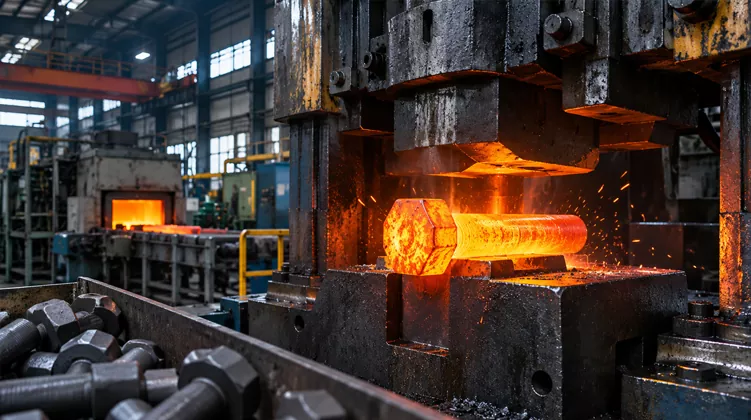
At JBXF Machinery, we review customer drawings, samples, and technical specifications before confirming a production arrangement. Depending on the agreed requirements, manufacturing considerations may include material selection, forging or machining processes, thread production, dimensional control, heat treatment, and surface finishing.
For customers purchasing from a China Factory, complete technical documentation helps us evaluate the manufacturing requirements more accurately. We recommend providing the bearing model, equipment application, bolt drawing, required quantity, and applicable standard whenever possible. For customized requirements, production feasibility and the final specification must be confirmed before order approval.
Inspection requirements should be defined according to the product drawing and purchase agreement. Depending on the specification, checks may cover dimensions, thread accuracy, mechanical properties, surface condition, markings, and other agreed characteristics. Special testing, inspection reports, or material documentation should be discussed before the order is confirmed.
We focus on verifying the characteristics that affect fit, mechanical requirements, and assembly compatibility. Our approach to Quality is based on clear specifications and agreed acceptance criteria rather than unsupported claims that every product follows the same inspection or certification process.
We work with machinery manufacturers and industrial buyers who require fastening components for new equipment production or replacement assemblies. For OEM inquiries, we recommend sharing the technical drawing, applicable standards, annual or batch demand, and any special inspection requirements. This information helps establish a consistent basis for quotation and production planning.
Parts distributors and maintenance contractors may need to source bolts for different bearing models and machinery configurations. Maintaining separate product references for each bearing type helps prevent specification mix-ups and improves repeat-order accuracy.
As a fastening parts Supplier, we can review standard and customized requirements based on the information provided. We discuss order quantity, packaging, delivery arrangements, and any required documentation with customers before confirming the order.
Start with the bearing model and the equipment manufacturer's technical documentation. Confirm the thread size, pitch, bolt length, strength class, quantity, and installation requirements. A bearing drawing or original part reference is the most reliable basis for checking compatibility.
Not without confirming that the change is permitted by the equipment or bearing manufacturer. Bolt strength, preload, joint design, and tightening procedure are related. A higher strength class does not automatically provide a safer connection and may change the intended joint behavior.
Multiple bolts around a bearing ring work together to clamp the assembly. An incorrect tightening sequence may contribute to uneven seating or inconsistent clamping conditions. Follow the specified tightening stages, sequence, and torque or tensioning method provided by the equipment manufacturer.
We can review customized manufacturing inquiries based on drawings, samples, or approved part references. Please provide the required dimensions, material and strength class, applicable standard, surface treatment, inspection requirements, and order quantity. Manufacturing feasibility and final specifications are subject to technical confirmation.
Please send the bearing or equipment model, bolt drawing or part number, thread specification, required strength class, surface treatment, quantity, and destination country. If you do not have a complete drawing, provide the available part references and photographs so we can review the inquiry and identify the missing technical information.
Choosing the correct fastening components for a slewing bearing requires accurate specification matching and consideration of the complete bolted joint. At JBXF Machinery, we work with equipment manufacturers, maintenance contractors, and international distributors to review drawings, samples, and purchasing requirements before confirming an order.
Send us your bearing model, technical drawing, bolt specification, or replacement sample. Our team will review the information and discuss the suitable product configuration, manufacturing requirements, order quantity, and delivery arrangements. Contact JBXF Machinery to request a quotation for your project.