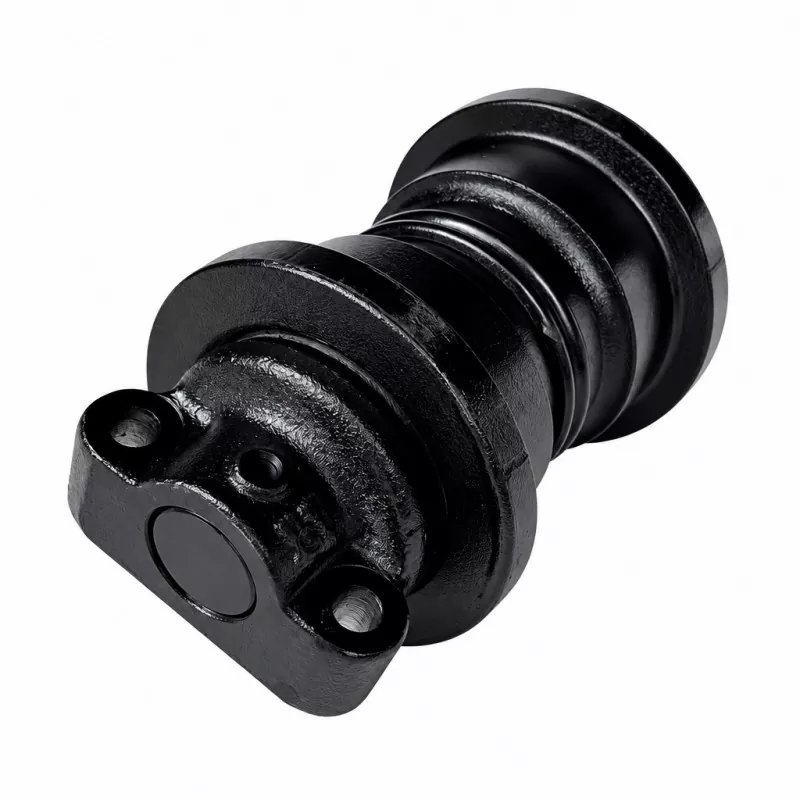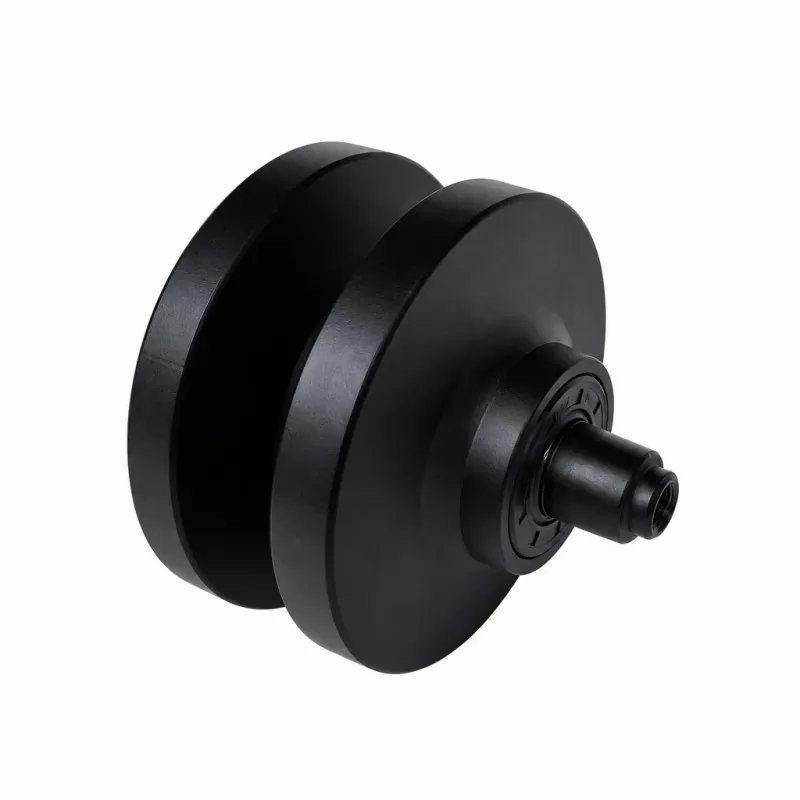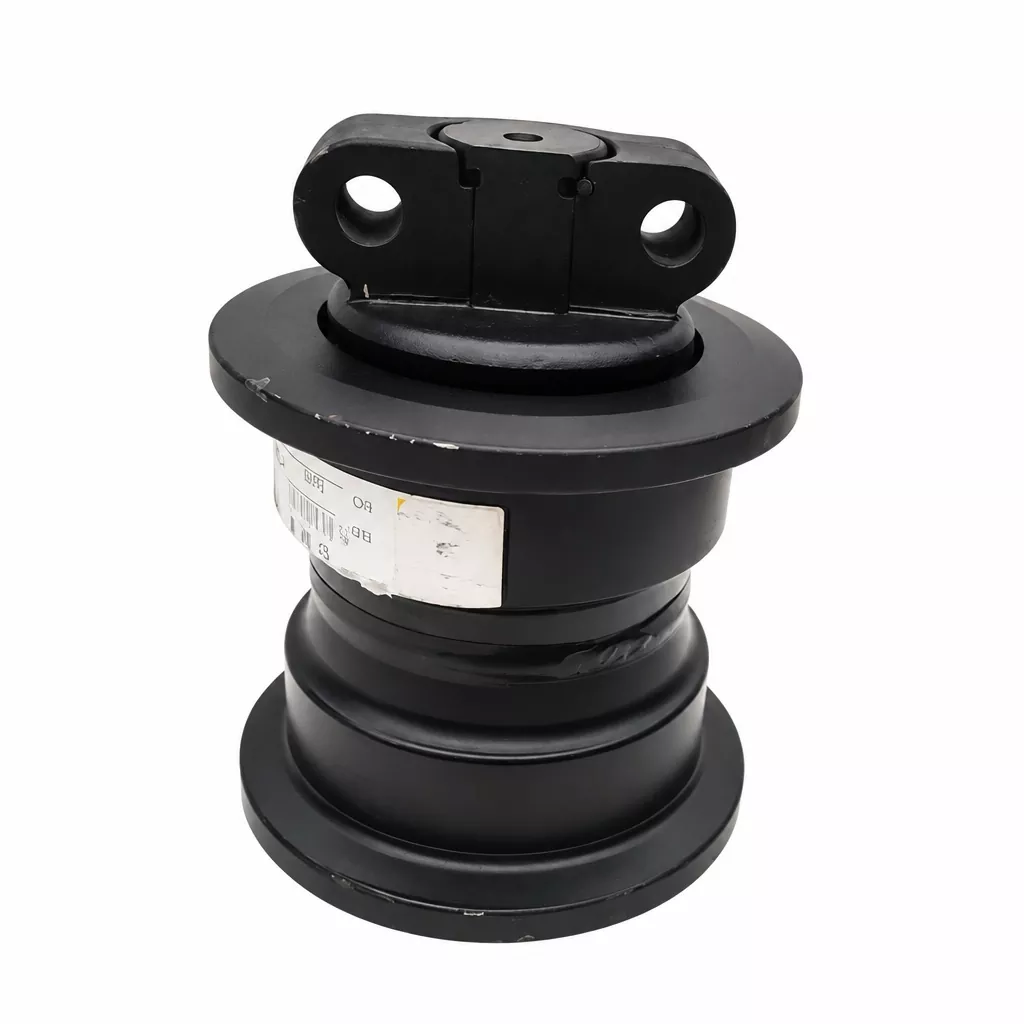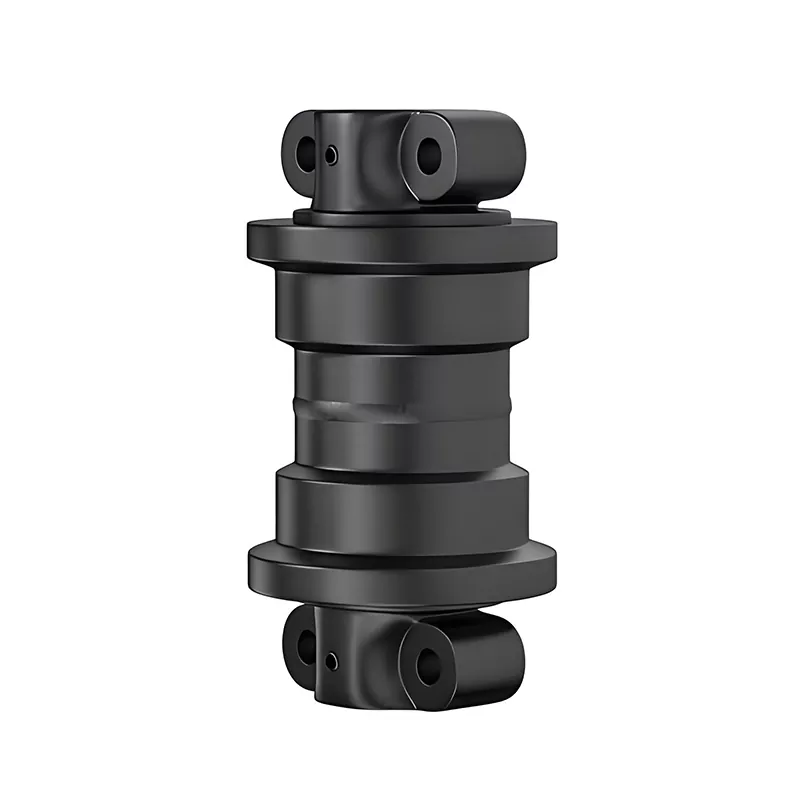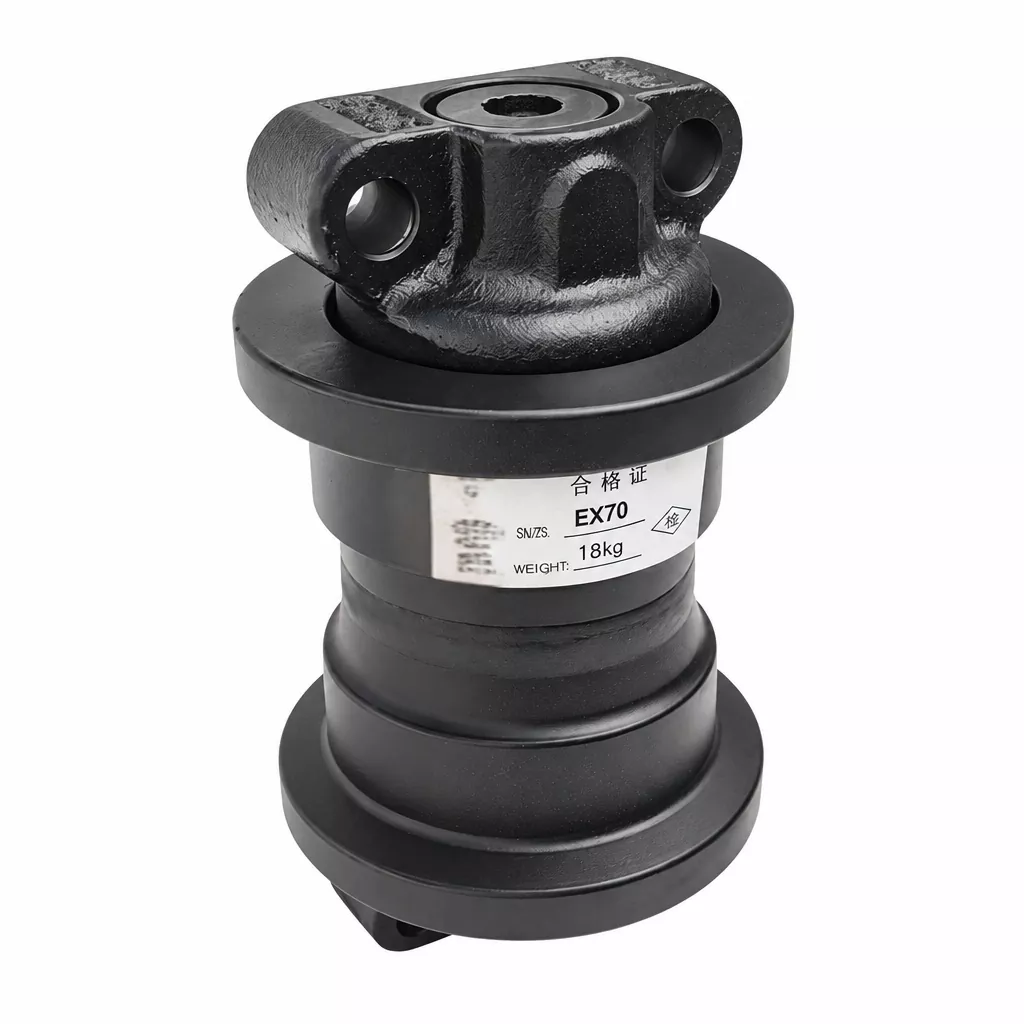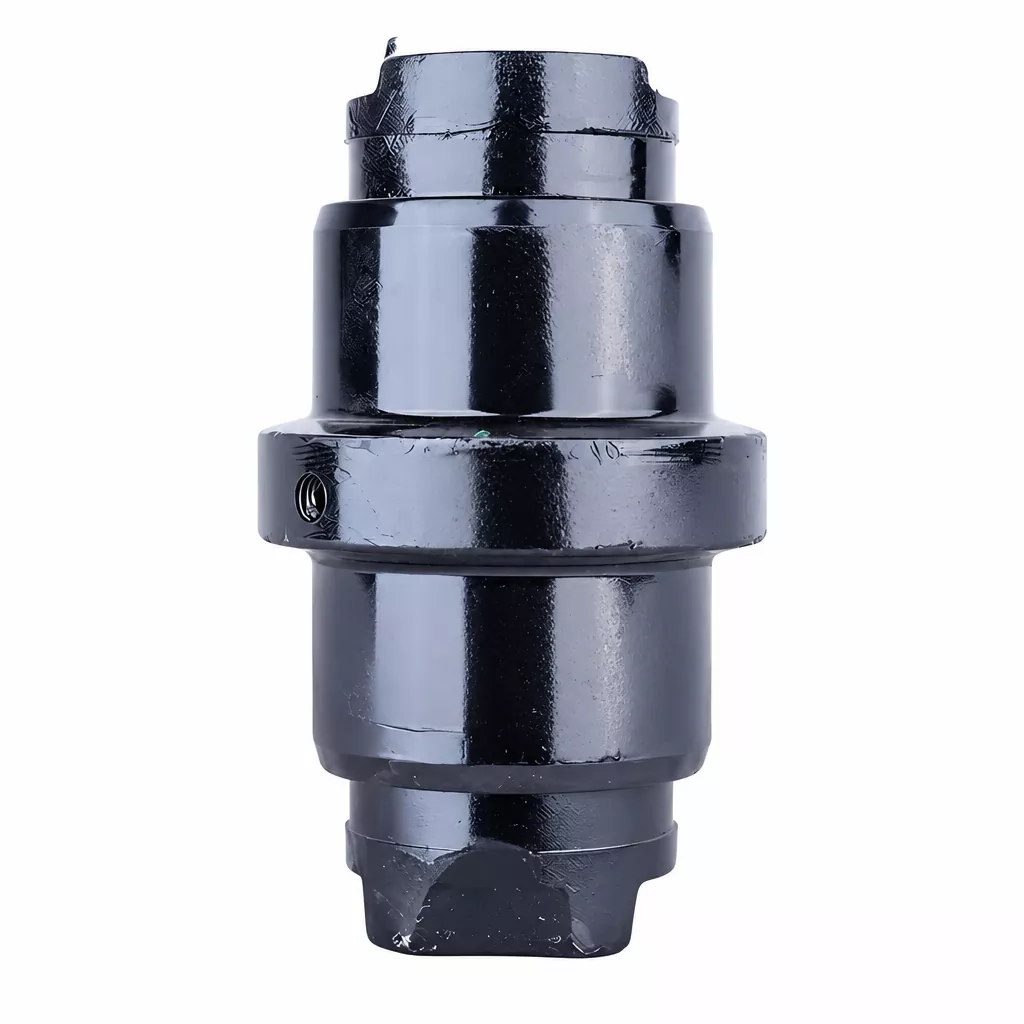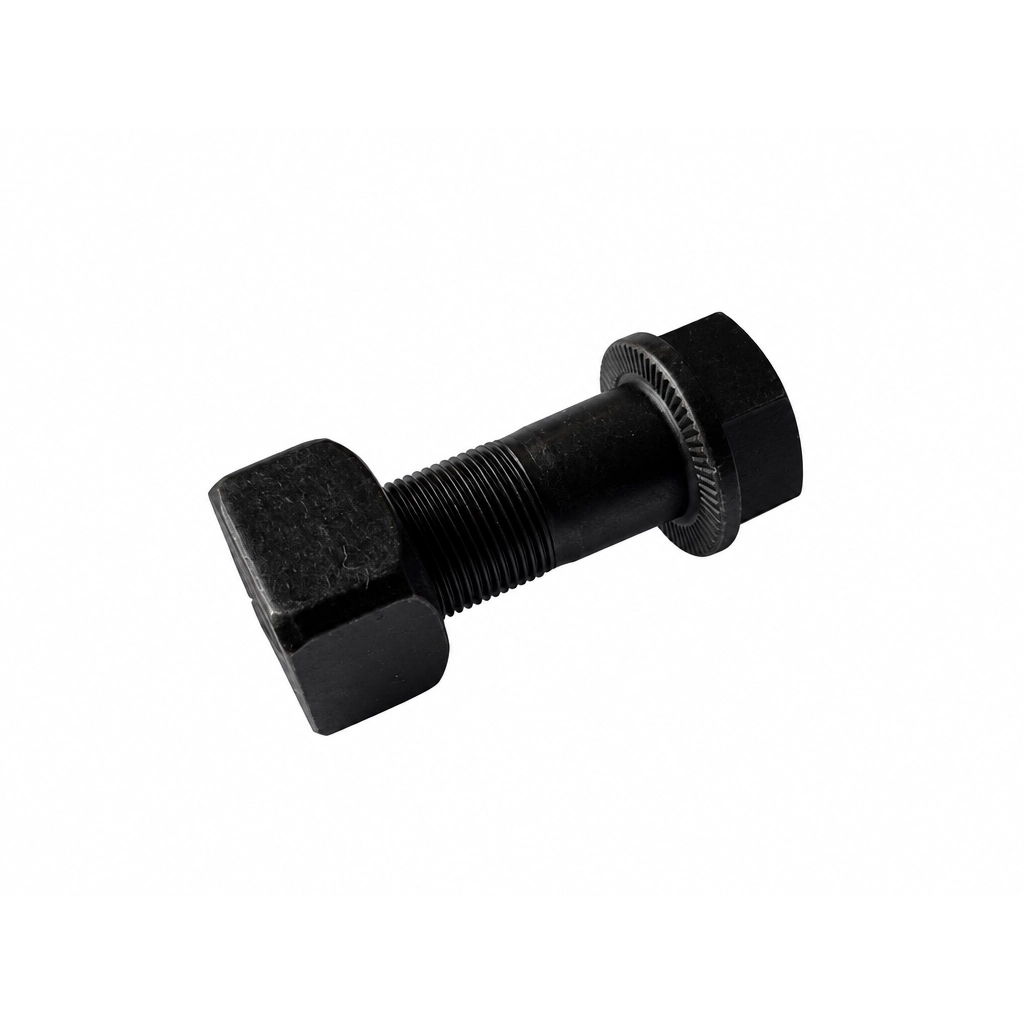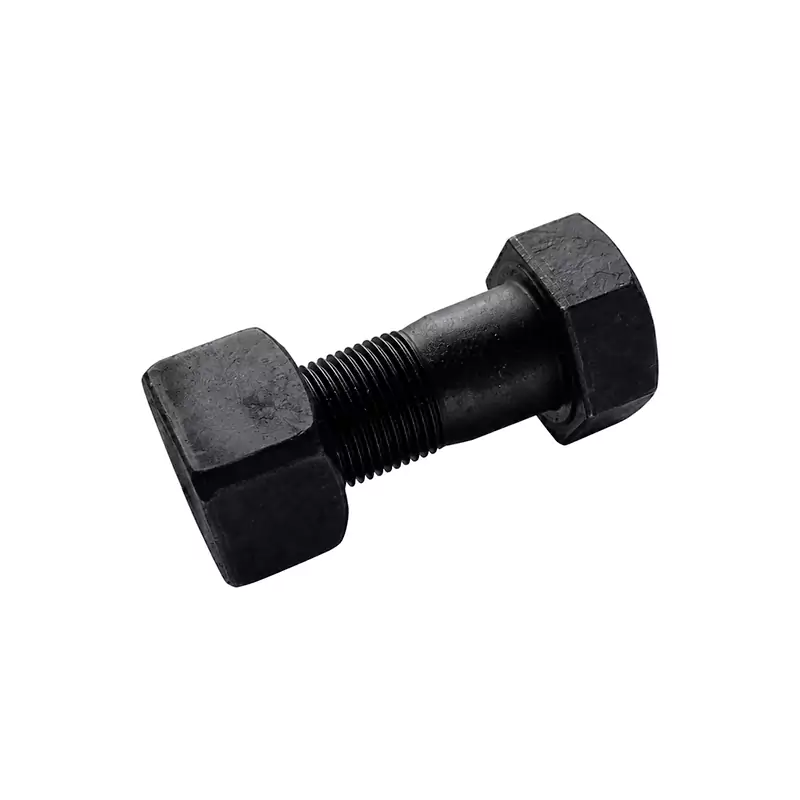
An excavator's undercarriage supports the machine's weight, enables travel, and transfers operating forces between the upper structure and the ground. Its condition directly affects machine mobility, operating stability, fuel consumption, and maintenance costs.
For contractors, fleet operators, and equipment distributors, selecting suitable replacement components is not simply a matter of matching a part number. Ground conditions, machine configuration, operating hours, and maintenance history all influence the correct purchasing decision.
Excavators are produced in different operating weights, track widths, chassis configurations, and undercarriage designs. Even machines with similar model names may use different components depending on their production series, serial number, or optional configuration. Selecting parts based only on the excavator brand or general model designation can therefore lead to incorrect orders.
When sourcing Excavator Undercarriage Parts, we recommend providing the machine brand, complete model, serial number, and existing component reference whenever available. These details help us narrow down the required configuration and reduce the risk of dimensional or mounting incompatibility.
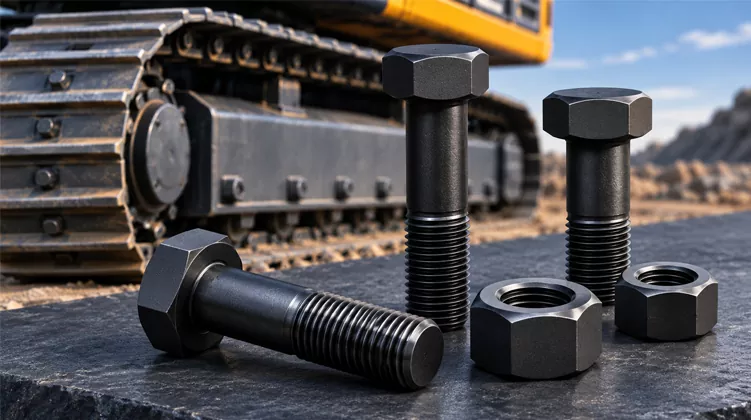
An excavator undercarriage is a connected system rather than a collection of independent replacement parts. Depending on the machine design, it may include track chains, track shoes, rollers, carrier rollers, sprockets, idlers, track adjusters, and related hardware. The dimensions and operating relationships of these components need to be considered together.
For example, replacing a sprocket without checking the corresponding track chain condition may not resolve abnormal engagement or accelerated wear. Similarly, a replacement roller must match the mounting arrangement and operating requirements of the relevant track frame. We encourage buyers to identify the affected components and inspect nearby parts before finalizing a replacement order.
Undercarriage wear varies considerably according to the ground on which an excavator operates. Loose soil, sand, gravel, rock, clay, demolition debris, and paved surfaces create different contact and abrasion conditions. A machine working mainly on soft ground may experience different wear patterns from one operating continuously on rocky or abrasive terrain.
When customers discuss Excavator Undercarriage Parts with us, we recommend describing the actual working environment rather than simply stating that the machine is used for construction. Information about soil type, rock content, moisture, slope, and daily operating hours can help clarify the application and replacement priorities.
Travel distance and turning habits also influence undercarriage service conditions. Frequent turning, counter-rotation, working on slopes, and repeated travel over hard surfaces may create uneven loading and wear across the track system. Machines that spend most of their operating time digging from one position may have a different maintenance profile from those used for extensive site travel.
For fleet managers, reviewing operating patterns can help identify why certain machines require more frequent component replacement. This information is useful when planning spare-parts inventory and comparing the service performance of different equipment configurations.
Undercarriage components do not always wear at the same rate. Differences in ground conditions, machine operating habits, track tension, alignment, and component condition can lead to uneven wear between the left and right sides or between individual contact points.
Maintenance teams should inspect the track system as a whole rather than evaluating only the visibly damaged component. Depending on the design, relevant checks may include track link condition, bushing wear, roller surfaces, sprocket tooth profiles, idler condition, and track shoe damage. The inspection criteria and service limits should follow the equipment manufacturer's maintenance documentation.
Replacing one worn component may be appropriate when the surrounding parts remain within the manufacturer's service limits. However, if connected components have reached advanced wear or show abnormal engagement, replacing only one item may result in continued uneven operation or accelerated wear of the new part.
We recommend comparing the condition of related components before deciding on the replacement scope. For example, when a track chain is heavily worn, the condition of the sprocket and other contacting components should also be assessed. This approach helps buyers avoid unnecessary replacement while reducing the risk of repeated maintenance work.
Track tension affects the interaction between the track chain, sprocket, idler, and rollers. Excessive tension can increase resistance and loading on undercarriage components, while insufficient tension may contribute to track instability or derailment under certain operating conditions.
Track tension should be checked and adjusted according to the machine manufacturer's procedure and the relevant ground conditions. We do not recommend applying one universal tension value to different excavator models because track design, machine configuration, and measurement methods can vary.
Abnormal wear on one side of a roller, track link, or other component may indicate an alignment issue, uneven loading, or a problem elsewhere in the chassis. Before replacing parts, maintenance personnel should inspect the mounting positions, track frame condition, and related components for signs of damage or abnormal contact.
Correct component matching is important, but it cannot compensate for a damaged mounting structure or an unresolved alignment problem. Identifying the cause of abnormal wear before purchasing replacement parts helps reduce repeated failures and unnecessary downtime.
Operating hours provide a useful reference for maintenance planning, but they should not be treated as the only indicator of undercarriage condition. Two excavators with similar working hours may have very different wear levels because of differences in ground conditions, operator practices, travel frequency, and maintenance history.
For customers managing multiple machines, we recommend combining operating-hour records with periodic physical inspections. Recording measurements, replacement dates, and observed wear patterns helps maintenance teams estimate future demand more accurately and prioritize machines that require attention.
Distributors and fleet operators often manage replacement parts for several excavator brands and machine sizes. Storing components under a clear machine-model and part-number system helps reduce stock errors, especially when similar-looking components have different dimensions or mounting arrangements.
For repeat orders, we suggest retaining approved drawings, part references, sample records, and previous purchase specifications. This makes it easier to identify the correct replacement configuration and coordinate future orders with our team.
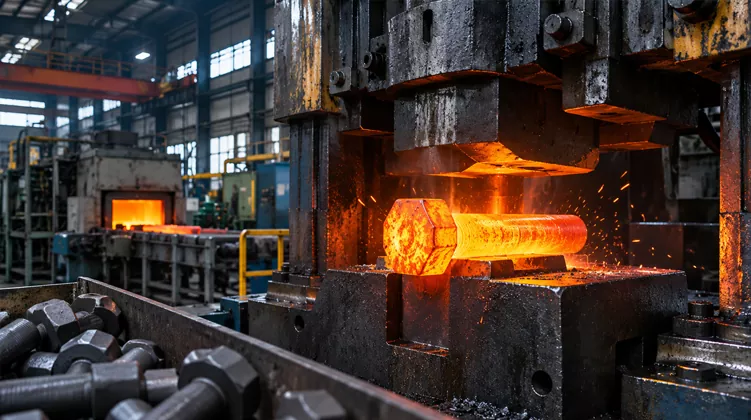
At JBXF Machinery, we review customer requirements according to the component type, machine application, and available technical information. Depending on the product, manufacturing considerations may include material selection, casting or forging processes, machining, heat treatment, dimensional control, and surface finishing.
For buyers sourcing from a China Factory, we recommend providing the equipment model, serial number, part number, technical drawing, and required quantity at the inquiry stage. If the original documentation is unavailable, photographs and physical samples can help us begin the identification process. Final dimensions and specifications must be confirmed before production.
Different undercarriage components require different inspection criteria. Depending on the agreed product specification, verification may cover dimensions, mounting interfaces, material requirements, hardness, surface condition, machining accuracy, or other relevant characteristics.
We do not assume that every component uses the same material grade, hardness range, or inspection method. These requirements should be defined according to the specific part drawing, applicable standard, and purchase agreement. Our approach to Quality is based on clear technical requirements and agreed acceptance criteria.
Equipment owners and construction contractors generally need replacement components that match their machines and can be integrated into their maintenance schedules. We recommend sending the complete machine identification and the specific part reference so that the requested configuration can be reviewed before quotation.
For urgent maintenance requirements, buyers should also communicate the required quantity and expected delivery date. This allows us to check the production or supply arrangement and discuss a realistic delivery schedule based on the actual order.
Distributors and equipment manufacturers may require multiple component types, recurring orders, or customized configurations. We can review these inquiries based on drawings, samples, and approved technical specifications.
As a Durable undercarriage parts Supplier, we focus on helping buyers establish consistent product references for repeat procurement. Packaging, labeling, order quantities, inspection requirements, and delivery arrangements can be discussed according to the needs of each purchasing project.
Please provide the excavator brand, complete model, serial number, component name, and original part number if available. Drawings, photographs, and physical samples can also help us check the required configuration. For critical dimensions, technical confirmation is necessary before ordering.
Not automatically. Components may look similar but differ in dimensions, mounting interfaces, material specifications, or operating requirements. Interchangeability should be confirmed against the equipment manufacturer's specifications or an approved technical drawing.
Uneven wear may be associated with turning frequency, slope operation, ground conditions, track tension, alignment, or differences in component condition. A full undercarriage inspection can help identify whether the cause is localized or related to the wider track system.
Not necessarily. The replacement scope depends on the measured wear and service condition of each component, as well as the equipment manufacturer's limits. Some components may remain suitable for continued use while others require replacement. Checking the related parts together helps determine a practical maintenance plan.
We can review customized inquiries based on drawings, samples, or confirmed technical specifications. Please provide the required dimensions, material requirements, applicable standards, surface or heat-treatment requirements, quantity, and intended machine application. Manufacturing feasibility and final specifications are subject to technical confirmation.
Include the excavator brand and model, serial number, component reference, required quantity, destination country, and any available drawing or sample information. If you are purchasing several component types, a structured parts list can help us review the inquiry more efficiently.
Choosing the right excavator undercarriage components requires an understanding of machine configuration, ground conditions, wear patterns, and maintenance requirements. At JBXF Machinery, we work with equipment owners, contractors, distributors, and machinery manufacturers to review product references and purchasing specifications before confirming an order.
Send us your excavator model, serial number, parts list, drawings, or replacement samples. Our team will review the information and discuss the required product configuration, quantity, manufacturing arrangement, and delivery expectations. Contact JBXF Machinery to request a quotation for your undercarriage requirements.